



All Organoids articles – Page 5
-
 News
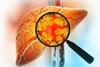
NewsBile acid-enhanced liver organoids set to improve liver disease treatment
Researchers in Japan have developed long-lasting 3D liver organoids from stem cells by incorporating bile acids into the culture medium - offering a new model for studying chronic liver diseases.
-
 Article
Smart automation for every lab, not just big pharma
Drug Target Review spoke with Giancarlo Basile at SLAS Europe 2025 about MGI’s bold shift from sequencing specialist to automation partner – helping research companies of all sizes achieve accuracy, speed and reproducibility.
-
 News
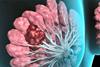
NewsLINC01235 identified as driver of aggressive breast cancer
Researchers at Cold Spring Harbor Laboratory have demonstrated that an obscure RNA molecule, LINC01235, plays a crucial role in the progression of aggressive triple-negative breast cancer (TNBC) – potentially allowing for the development of targeted therapies against it.
-
 Article
Machine Learning and AI in Enhancing Image Analysis of 3D Samples
Want to understand the real impact of AI in 3D sample analysis? This episode cuts straight to how machine learning is accelerating research and overcoming current limitations.
-
 Article
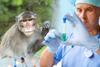
Time for change: non-human primates in drug research
As ethical pressures and new regulations shake up preclinical research, the industry faces a turning point: can we finally move beyond non-human primates? Dr Mariana Argenziano, Associate Director Manufacturing Technologies at Ncardia, discusses the innovations reshaping drug development and what’s coming next.
-
 News
NewsLiver organoids grow functional blood vessels in lab breakthrough
Scientists have successfully grown liver organoids with fully functional blood vessels- potentially allowing for the development of new treatments for haemophilia and liver disease.
-
 News
NewsMeet the hemifusome: a new organelle with big impact
Scientists have discovered a previously unknown organelle inside human cells - the hemifusome - that could change our understanding of rare genetic disorders.
-
 News
News3D model reveals hidden drivers of smell regeneration
Scientists have developed a simple- 3D mouse tissue model to study how the nose regenerates smell-sensing neurons. The goal is to create an organoid system that can be used to screen potential therapies for smell loss.
-
 News
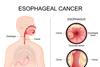
NewsOrganoids take on ESCC’s toughest tumours
A new study at Science Tokyo has developed patient-derived organoids to better understand and combat resistance in oesophageal squamous cell carcinoma (ESCC).
-
News
Stanford grows vascularised mini-organs
Stanford scientists have successfully grown heart and liver organoids that include functioning blood vessels. This breakthrough overcomes a major size and maturity barrier, which could advance disease modelling and regenerative therapies in the future.
-
 News
NewsScientists create advanced 3D liver model mimicking real tissue
Scientists have developed a 3D liver model, known as the periportal assembloid. This model replicates the liver’s complex structure and bile transport system, enabling more precise study of disease progression.
-
 News
NewsVascularised stem cell organoids advance diabetes therapy
A team of researchers have developed the first vascularised organoid model of human pancreatic islets, which could lead to further development of advanced cell therapies for diabetes.
-
 News
NewsNew biobank offers hope for sufferers of dry mouth
Mayo Clinic researchers have created the world’s first biobank of human salivary gland tissue-organoids, offering a resource for developing regenerative therapies to treat chronic dry mouth.
-
 News
NewsNew ‘ovaroid’ model research offers hope for reproductive disorders
Researchers have developed the first fully stem cell-derived model of human ovarian organoids, or "ovaroids," offering a powerful new tool for studying infertility, differences in sex development (DSDs), and related reproductive disorders.
-
 News
NewsNew liver organoids research brings hope for drug development
Researchers at Keio University have developed long-lasting, functional human liver organoids from frozen hepatocytes, marking a huge moment in organoid science.
-
 News
NewsLab-grown liver breakthrough could speed up drug development
Scientists have developed lab-grown liver organoids with functional zonation, a discovery that brings regenerative medicine a step closer to personalised, transplant-free liver therapy.
-
 Article
Building better drugs: how 3D models are shaping pre-clinical development
Three-dimensional (3D) models are reshaping pre-clinical drug development by providing more accurate insights into drug safety and efficacy. Explore how these advanced in vitro systems help improve predictions and reduce the risk of failure in early-stage drug discovery.
-
 News
NewsBone repair breakthrough: why men and women heal differently
Men and women heal bone injuries through distinct biological processes, challenging assumptions in regenerative medicine. The findings support the development of personalised implants and more effective, sex-specific treatment strategies.
-
 News
NewsReprogramming gut cells to treat short bowel syndrome
A preclinical study conducted by researchers at Weill Cornell Medicine have demonstrated a new gene-editing strategy to treat short bowel syndrome (SBS), a life-threatening condition in which patients lack a functional small intestine.
-
Article
Building better brain models for Parkinson’s disease and beyond
Professor Jens Christian Schwamborn is advancing personalised medicine for Parkinson’s disease using patient-specific brain organoids, offering new hope for more effective and targeted treatments.
