



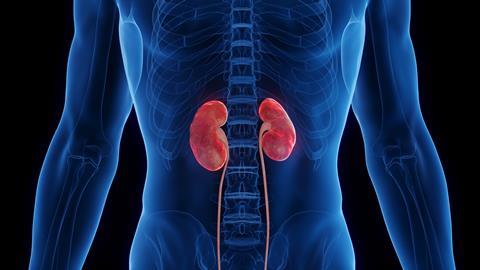
A new kidney organoid platform reproduces key features of human acute kidney injury, offering early drug discovery researchers a human-derived system in which to investigate why some kidney cells recover from damage while others progress towards chronic disease – and to screen potential therapeutic interventions.
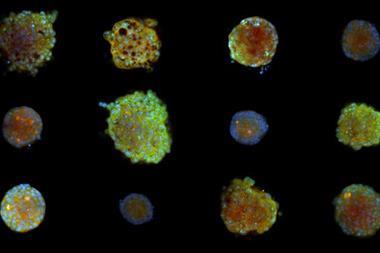
Researchers at Monash University have developed miniature human kidneys from stem cells that could provide a new platform for understanding acute kidney injury (AKI) and identifying treatments that improve recovery.
Published in Genome Medicine, the study describes a living kidney organoid model that reproduces key features of human kidney injury. The researchers hope the model will help explain why some kidney cells recover after injury while others develop persistent damage that can contribute to chronic kidney disease.
For early drug discovery, the technology could give researchers a more human-relevant system in which to investigate potential treatments before they progress towards clinical testing.
Why does this matter for early drug discovery?
AKI is a sudden decline in kidney function that can occur following major surgery, transplantation or exposure to certain medicines including chemotherapy. It can cause severe illness and increase the risk of long-term kidney damage.
The condition is also common in hospital settings, affecting up to 20 percent of hospital admissions, according to Professor John Kanellis, Director of Nephrology at Monash Health.
Despite its clinical impact, there are limited treatments that directly promote kidney recovery after AKI. This creates a challenge for drug discovery, whereby researchers need to understand the biological processes that determine whether injured kidney tissue recovers or progresses towards lasting damage.
Acute kidney injury can occur during major surgery, transplantation or following exposure to some medicines, including chemotherapy. By recreating these responses in miniature human kidneys, we can investigate what drives healthy recovery versus persistent damage, and identify ways to intervene.”
Dr Alexander Combes, Head of the Development and Disease Laboratory and Director of the Monash Genome Modification Platform at Monash Biomedicine Discovery Institute.
The new organoid platform could then allow researchers to recreate aspects of kidney injury in human-derived tissue and examine how different cell populations respond.
The distinction is important because preventing the initial injury is only part of the challenge. Understanding why some damaged tissue fails to recover could reveal therapeutic opportunities to limit the progression from AKI to chronic kidney disease.
“Our goal is to use these models to find treatments that could protect the kidney or improve recovery after injury,” concluded Dr Combes.
How does this fit with what’s already happening in the field?
Human organoids are now growing in usage as tools for disease modelling and drug discovery. By using stem cells to generate three-dimensional tissue structures, researchers can capture aspects of human biology that are difficult to reproduce using conventional two-dimensional cell cultures.
For kidney research, this could be particularly valuable because the organ contains multiple specialised cell types that work together to filter blood and regulate fluid and electrolyte balance.
The Monash model is focused specifically on the response to injury. Rather than simply asking whether a drug affects kidney cells, researchers can use the system to investigate what happens after damage and which biological pathways are associated with recovery or persistent injury.
Professor Kanellis said the model could provide researchers with greater insight into these different responses.
“Human kidney organoids give us an exciting opportunity to study AKI in a controlled, human model and understand how different kidney cells respond to injury, recover or develop persistent damage,” Professor Kanellis said.
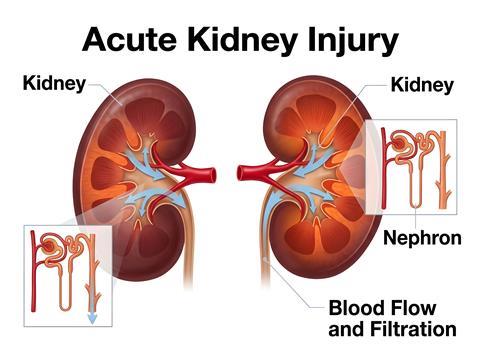
AKI vs chronic kidney disease
Acute kidney injury (AKI) happens when kidney function suddenly declines, often over hours or days. It can be triggered by surgery, infection, dehydration, transplantation or certain medicines.
Although some patients recover fully, AKI can cause lasting kidney damage and increase the risk of chronic kidney disease (CKD).
Why it matters: Understanding why some kidneys recover while others do not could help researchers identify treatments that prevent an episode of AKI from developing into long-term kidney disease.
What does it mean for researchers?
The immediate potential application is in early-stage drug discovery and drug repurposing. Dr Combes and his team are now using the organoid platform to screen potential therapies, which included existing medicines that could potentially be repurposed for kidney injury.
Drug repurposing is attractive in early development because compounds that have already been approved may have established safety and clinical data. If a candidate shows promising activity against AKI in the organoid model, researchers may therefore have more information available when considering whether to investigate it further.
The platform could also help researchers identify new therapeutic targets by comparing the molecular responses of kidney cells that recover with those that develop persistent damage.
That could shift the focus of AKI research towards not only preventing injury but also actively promoting tissue recovery.
What happens next?
The next stage will be to use the organoid system to screen potential treatments and investigate the mechanisms that determine kidney recovery.
The researchers will need to establish how well findings from the organoids translate into other preclinical models and ultimately into patients. As with other organoid technologies, the miniature kidneys cannot reproduce every feature of a fully developed human kidney.
Nevertheless, the platform could provide an additional tool between basic laboratory research and clinical development, helping researchers prioritise treatments and biological targets with greater human relevance.
If successful, the approach could contribute to a broader shift in kidney drug discovery towards models that more closely capture human disease biology and could ultimately help identify treatments capable of improving outcomes after acute kidney injury.





No comments yet