



A collection of 35 patient-derived hepatocellular carcinoma organoid lines has been used to systematically screen over 1,600 compounds, revealing multi-drug combinations that demonstrate selective tumour activity and reduced growth in animal models.
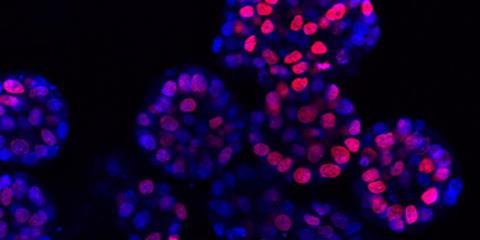
Researchers at the University of Basel have used a collection of laboratory-grown mini-tumours to identify potential new treatments for liver cancer, a disease in which tumours can vary considerably from one patient to another.
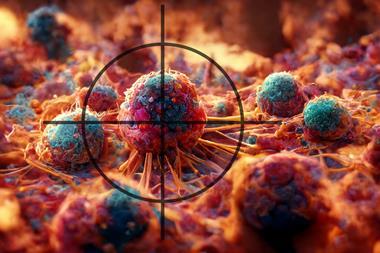
The team created 35 organoid lines from hepatocellular carcinoma, the most common form of liver cancer. The three-dimensional structures are made from living cancer cells and retain important characteristics of the original tumours, allowing researchers to investigate how different cancers respond to drugs.
The findings could help identify treatments that remain effective despite biological differences between liver tumours. One drug combination also showed promising results in an animal model.
Screening more than 1,600 compounds
The researchers initially tested 1,642 compounds on four selected liver cancer organoids. The compounds included existing cancer treatments, experimental drugs and medicines already approved for other diseases.
The most promising candidates were subsequently tested across a larger selection of organoids. Several showed strong anti-tumour effects, indicating that they could potentially be investigated further as treatments for liver cancer.
The Basel researchers say their organoid collection offers an advantage over some previous models because many of the mini-tumours were grown from small tissue samples taken during diagnostic needle biopsies. This allowed the collection to include advanced tumours, which have been less well represented in earlier organoid studies.
The researchers could therefore compare drug responses across tumours with different biological characteristics.
Our collection reflects different stages of the disease, as well as liver tumors with various causes.”
Sandro Nuciforo, Project Leader, University of Basel
Combining drugs with different mechanisms
The team then investigated whether combining drugs that work in different ways could produce stronger effects than individual treatments.
“Rather than focusing on a single vulnerability of the tumour, we combine drugs with different mechanisms of action,” says Dr Markus Heim, Research Group Leader at the University of Basel. “This could allow the treatment to remain effective even when the vulnerabilities differ from tumour to tumour.”
Several two- and three-drug combinations were more effective against different tumour organoids than individual drugs. In some cases, three-drug combinations also had a substantially weaker effect on non-tumour liver organoids than on the cancer models, suggesting that some combinations could target tumour cells more selectively.
Promising results in mice
One combination was selected for further investigation: regorafenib, selinexor and ixazomib.
The researchers tested the three-drug treatment in mice carrying tumours derived from patient organoids. They observed the combination slowing tumour growth more effectively than regorafenib alone whilst not producing any significant additional toxicity in the model used in the study.
Going forward, the researchers say further studies are needed before it can be used in patients, as organoids are not able to fully reproduce the complex environment surrounding a tumour.



No comments yet