



Hundreds of new patient-derived cancer models could strengthen target validation, identify cancer vulnerabilities and provide more representative systems for preclinical drug discovery.
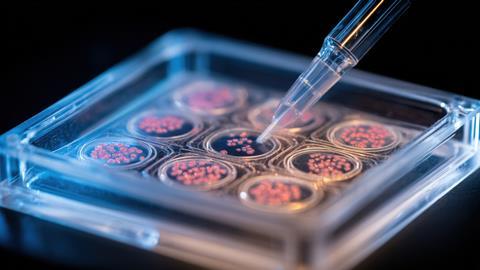
An international research effort has generated more than 600 patient-derived cancer models, expanding the resources available to researchers investigating cancer vulnerabilities and potential therapeutic targets.
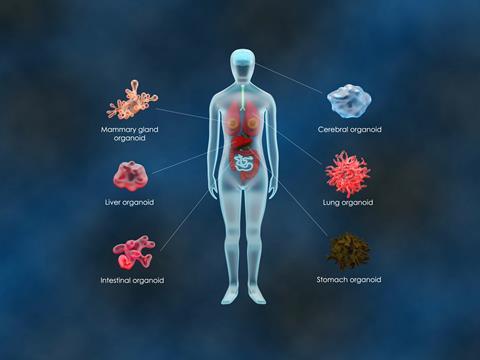
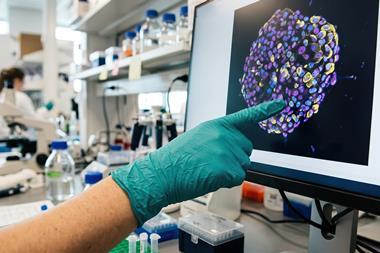
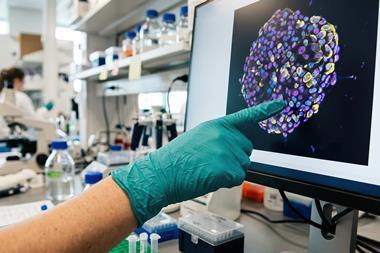
Developed through the Human Cancer Models Initiative (HCMI), the collection represents 25 cancer types, with most models generated as three-dimensional organoids from patient tumour samples. The international programme was launched to increase the number and diversity of models available for cancer research.
Researchers say the collection could help address a longstanding challenge in cancer drug discovery by providing experimental systems to functionally test potential targets identified through tumour genomics.
Published in Nature, the work represents the culmination of a decade-long initiative involving researchers from more than two dozen institutions, including the Massachusetts Institute of Technology (MIT), Broad Institute, Dana-Farber Cancer Institute, National Cancer Institute (NCI) and Wellcome Sanger Institute.
The resulting models have been deposited at the American Type Culture Collection (ATCC), where they are available to researchers alongside molecular and clinical data that could support target discovery and preclinical research.
At a glance
Key numbers from the study and companion analyses:
- 600+ patient-derived cancer models developed
- 25 cancer types represented
- 2,700+ patient tumour samples collected
- ~1 in 3 samples successfully established as models
- 300+ new models molecularly profiled
- 100+ models analysed using CRISPR loss-of-function screens
Why cancer research needs more representative models
Large-scale sequencing projects have identified thousands of genomic alterations associated with cancer. However, finding an alteration does not establish whether it represents a therapeutically useful vulnerability.
“Since the sequencing of the human genome and the analysis of cancer genomes over the last 20 years, we have had many ideas about cancer targets, but we need experimental systems in the lab to validate those targets and launch drug discovery projects,” explained Jesse Boehm, a research scientist at MIT’s Koch Institute and one of the study’s senior authors.
Addressing this need was one of the drivers behind the HCMI, which was established in 2016 following the Cancer Genome Atlas, a large-scale effort to characterise genomic alterations across thousands of patient cancer samples.
The work highlighted a limitation in the experimental models available to researchers. The diversity observed across patient tumours was not adequately represented by the approximately 1,000 patient-derived cancer cell lines available at the time.
This matters in drug discovery because the models used can influence which biological dependencies are identified and how responses to an intervention are interpreted.
There were also gaps in the populations and cancer types represented. Many existing models originated from patients of European and Southeast Asian ancestry, while several rare cancers remained poorly represented.
From 2,700 tumour samples to more than 600 models
More than 2,700 tumour samples were obtained through participating hospitals in the US, UK and the Netherlands from patients who had given permission for their cells to be used for research. These included samples from common cancers such as lung, liver and pancreatic cancer, as well as rarer cancers including tumours of the gallbladder and small intestine.
Using specialised culture conditions, the researchers successfully established laboratory models from approximately one-third of the samples, with organoids accounting for most of the resulting models.
Generating these models was a lengthy process, with some taking up to a year to establish. Once established, the researchers analysed their genomic sequences, RNA expression and epigenomic modifications to determine how closely they matched the tumours from which they were derived.
Finding vulnerabilities with CRISPR
Increasing the number of available cancer models is only part of the project. Companion studies have begun combining the models with large-scale molecular profiling and functional screening to identify genes that cancer cells depend on.
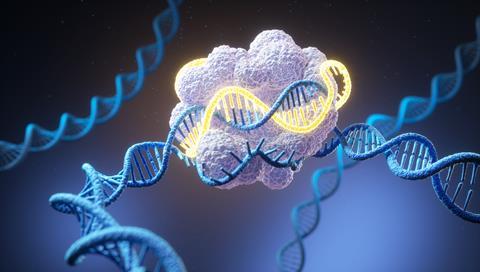
Broad Institute researchers profiled more than 300 of the newly generated models using high-throughput genome sequencing and RNA sequencing. More than 100 were also analysed using CRISPR loss-of-function screens.
These screens systematically disrupt genes to determine which are required for cancer-cell survival or proliferation. If the loss of a particular gene selectively affects cancer cells with specific molecular characteristics, that dependency may provide a starting point for further target validation.
Data from this work have been incorporated into the Cancer Dependency Map, or DepMap, which brings together genetic dependency data across cancer models.
In a separate companion study, researchers at the Wellcome Sanger Institute characterised another 256 organoids developed through HCMI, further expanding the molecular data available across the collection.
Why functional evidence matters for target selection
Cancer genomics can identify mutations, amplifications and altered gene expression, but association alone does not demonstrate that a cancer depends on a particular gene.
By perturbing genes across patient-derived models, researchers can test whether removing a potential target affects cancer-cell survival and whether that dependency is shared across models or confined to a molecularly defined subgroup.
A vulnerability found across many models may suggest a broader therapeutic opportunity, while a dependency restricted to tumours carrying a particular mutation could support a more targeted strategy and potential biomarker for patient selection.
What patient-derived models cannot capture
Only around one-third of the more than 2,700 tumour samples collected were successfully converted into models. This could introduce selection effects, as cells that adapt to laboratory culture may not represent all populations within the original tumour.
Organoids also cannot reproduce every component of tumour biology. Elements of the tumour microenvironment, including immune cells, vasculature and stromal populations, can influence tumour growth and treatment response but may be absent from these systems.
Patient-derived models therefore add another layer of experimental evidence but still need to be considered alongside other preclinical models.
More models are still needed
While the HCMI has expanded the number and diversity of patient-derived cancer models available to researchers, some patient populations, rare cancers and paediatric malignancies remain underrepresented.
Although the formal HCMI programme is winding down, researchers hope model generation will continue.
“We now have about 2,000, but if we really want to represent all humans with cancer in our preclinical research, more work is needed,” Boehm said.
For drug discovery, expanding the diversity of these models would strengthen the evidence behind target selection by allowing cancer dependencies to be tested across a broader range of tumour types and molecular backgrounds.


No comments yet