
Inconsistent organoid cultures can compromise the reliability of preclinical research. Join ATCC expert Dr Abhay U. Andar to learn how to improve recovery, maintain healthy growth and reduce variability from thawing to cryopreservation.
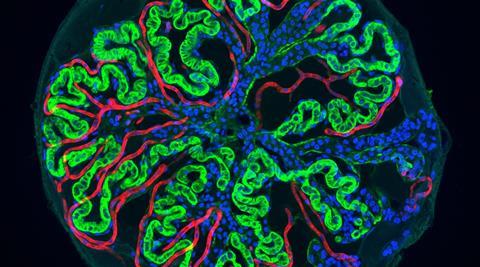
Organoids can provide physiologically relevant models for drug discovery and preclinical research, but maintaining consistent cultures is not always straightforward. Poor recovery after thawing, variable growth and changes in morphology can affect experimental reproducibility, making it difficult to distinguish genuine biological responses from differences introduced during culture.
Reliable organoid research depends on controlling multiple steps, from extracellular matrix preparation and routine maintenance to passaging and long-term storage. Inconsistent handling can affect culture viability and introduce unwanted variability.
In this webinar, Dr Abhay U. Andar, Lead Scientist at ATCC, will discuss the practical steps involved in establishing and maintaining healthy organoid cultures. He will cover extracellular matrix preparation, dome formation, and embedded and matrix-free culture techniques, alongside routine monitoring, medium management and passaging. The session will also address cryopreservation and common culture problems that can affect viability and reproducibility.
What you’ll learn:
- Getting recovery right: how post-thaw handling and extracellular matrix preparation can affect organoid viability and subsequent growth
- Maintaining consistent cultures: practical considerations for dome formation, medium management and embedded versus matrix-free culture
- Knowing when to passage: which morphological features indicate healthy growth and when cultures may be ready for expansion
- Troubleshooting culture problems: practical steps to address inconsistent growth, poor recovery and changes in organoid morphology
- Preserving culture performance: what to consider during cryopreservation and recovery to support organoid viability and consistency
Who should attend?
This webinar is intended for researchers working in organoid biology, disease modelling, drug discovery, preclinical research and new approach methodologies (NAMs). It will be particularly relevant to scientists establishing organoid workflows or looking to improve the consistency and reproducibility of existing cultures.
Register for this free webinar and put your questions to Dr Andar during the live Q&A.
Meet your speaker
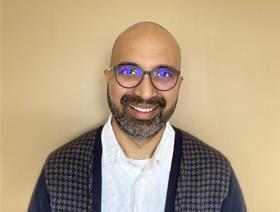
Dr Abhay U. Andar | Lead Scientist, ATCC
Dr Abhay U. Andar has over 13 years of experience in translational oncology, microfluidics and advanced in vitro disease modelling. At ATCC, Dr Andar leads the Human Cancer Model Initiative (HCMI) portfolio, which includes over 300 patient-derived cancer models spanning 28 indications. His research focuses on developing organoid systems to support therapeutic discovery and translational research in oncology. Dr Andar earned his PhD and MSc in Biomedical Science and Engineering from the University of Glasgow, and a BSc in Life Sciences from the University of Mumbai. He has authored numerous publications and patents in cancer research, microfluidics and therapeutic manufacturing, with work featured in Nature Materials, Nature Biomedical Engineering, Lab on a Chip, Cancer Research and Biotechnology and Bioengineering.
Is the webinar free?
Yes – there is no charge to watch the webinar, either live or on-demand.
When will the webinar take place?
The webinar will take place on 3 December 2026 at 17:00 GMT.
Can I watch it later?
The webinar will become available to watch on-demand shortly after the live webinar takes place.
What are the benefits of attending live?
You’ll be able to ask the speaker your questions, which will be answered live in the Q&A towards the end of the session.
How long will the webinar be?
This webinar will last up to an hour.
What do I need to watch this webinar?
All you need is a computer with an internet connection. We recommend using headphones if you’re in an office environment.