



All Stem Cells articles – Page 7
-
 News
NewsBone repair breakthrough: why men and women heal differently
Men and women heal bone injuries through distinct biological processes, challenging assumptions in regenerative medicine. The findings support the development of personalised implants and more effective, sex-specific treatment strategies.
-
 Article
LB-102: Redefining schizophrenia treatment in drug discovery
Find out how LB Pharmaceuticals' LB-102 is advancing schizophrenia treatment. This first-in-class antipsychotic demonstrates strong efficacy, safety and tolerability, potentially addressing both acute and negative symptoms. Explore its potential impact on neuropsychiatric drug discovery.
-
 Article
Pioneering cellular therapies for age-related diseases
Discover how Immorta Bio's cellular therapies are addressing cancer and liver failure, with the potential to transform healthcare.
-
 News
NewsStudy aims to stop Alzheimer’s with stem cell infusions
Researchers at UTHealth Houston have initiated a new stem cell therapy trial aimed at reducing neuroinflammation to prevent Alzheimer's disease before symptoms emerge, an approach that could revolutionise treatment strategies, offering new hope for at-risk individuals.
-
 News
NewsStem cell study uncovers shared genes for hearing and vision repair
New research, led by USC Stem Cell scientists, has identified key genetic barriers to sensory cell regeneration in the ear and eye, paving the way for future drug therapies to restore hearing and vision.
-
 News
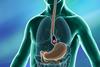
NewsTract Bio identifies drug targets for oesophageal cancer
Tract Bio’s new research reveals key insights into the evolution of oesophageal adenocarcinoma (EAC) and identifies promising drug combinations for more effective treatment.
-
 Article
The future of cell therapy: scaling production for global reach
Scaling up cell therapy is no easy feat. PluriCDMO's Andy Lewin reveals the critical factors for success and how they are helping companies bring life-saving therapies to market.
-
Article
Building better brain models for Parkinson’s disease and beyond
Professor Jens Christian Schwamborn is advancing personalised medicine for Parkinson’s disease using patient-specific brain organoids, offering new hope for more effective and targeted treatments.
-
 Article
Experts explore the future of iPSC-based cell therapies
Discover the transformative potential of iPSC-based therapies in regenerative medicine, alongside their challenges including scalability, safety and targeted delivery.
-
 Report
Beyond the Lab: Stem cell research
Download our latest report to discover how stem cell research is revolutionising treatments for chronic diseases, cancer and regenerative medicine.
-
 Webinar
The rise of organoids: a new era in drug discovery
This webinar covers how organoids are reshaping drug discovery by providing more accurate models for disease research and drug testing, offering new solutions to long-standing challenges in the industry.
-
 News
NewsNew collaboration targets key challenges in fibrosis treatment
Deep Science Ventures and General Inception are teaming up to tackle fibrosis. Together, they aim to create a company focused on developing new treatments for fibrotic diseases.
-
 Article
Differentiated therapies: Unlocking stem cell medicine with epigenetics
The human body has an incredible ability to repair itself, both from acute trauma and chronic damage that accumulates as we age. Here, Cameron Lee, Principal Scientist at Tune Therapeutics, reveals the potential of harnessing the body’s natural regenerative capabilities with epigenetic control of stem cells.
-
News
Using microgravity to address limitations of tissue engineering techniques
The self-assembly of human liver tissues in low Earth orbit could improve their differentiation and functionality.
-
 News
NewsMechanism that controls reactivation of neural stem cells discovered
New insights into the role of SUMOylation in the brain could lead to new targeted therapies for neurodegenerative conditions.
-
 Article
The hidden risks of over-reliance on healthy donor material
Developing cell therapies solely with healthy donor material can jeopardise clinical outcomes, introducing risks ranging from faulty preclinical data to manufacturing failures. We spoke to Priya Baraniak, CBO at OrganaBio, who advocates for early integration of diseased donor material, improved biobanking infrastructure, and cross-industry collaboration to develop more effective, patient-relevant ...
-
 News
NewsNew link found between immune system and neurological disease
Findings show that alpha-synuclein and an immune response are required for Lewy body formation, in an effect specific to dopaminergic neurons.
-
 News
NewsCrohn’s disease: discovery of two distinct molecular subtypes
By studying organoids derived from adult stem cells, researchers made a discovery that could improve the development of personalised therapeutics.
-
 News
NewsDamaged small intestine repaired with hPSC-derived organoids
Cincinnati Children’s have repaired damaged intestines in a rodent model, moving research efforts closer to clinical trials.
-
 News
NewsNew pathway to transition neural stem cells into a proliferative state
Understanding the signalling pathway controlling neural stem cell reactivation could offer a strategy for using existing drugs to treat neurodevelopmental disorders.
