



All Stem Cells articles – Page 4
-
 News
NewsLab-grown liver offers new platform to test fibrosis drugs
Japanese scientists have developed a lab-grown liver organoid that mimics human liver regeneration, offering a new platform to study fibrosis and test therapies.
-
 News
NewsPulmonary fibrosis: new drug slows and reverses lung scarring
Researchers have identified a key cellular mechanism that drives pulmonary fibrosis and successfully blocked it in mice, reducing lung scarring.
-
 News
NewsNew mRNA therapy could inform future male infertility treatments
Scientists have restored sperm production in mice with a genetic form of male infertility using mRNA delivered via lipid nanoparticles, with the hope of informing future treatments for non-obstructive azoospermia.
-
 News
NewsStem cell liver model reproduces rare immune drug reactions
A new human liver organoid platform could help predict which drugs trigger dangerous immune reactions in susceptible patients.
-
 News
NewsSPIRAL device offers safer, smarter drug delivery to the brain
Scientists have created a flexible brain implant, called SPIRAL, capable of delivering drugs to multiple regions with pinpoint accuracy.
-
 News
NewsDARG cells may drive neurodegeneration in progressive MS
Scientists have discovered a rare type of brain cell that appears to drive the chronic inflammation seen in progressive multiple sclerosis – which could potentially lead to new disease-modifying therapies.
-
 News
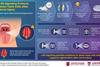
Newsc-Kit helps sweet cells survive and regenerate taste
A new study has demonstrated that sweet-sensing taste cells, protected by the protein c-Kit, survive nerve injury and drive the regeneration of taste buds.
-
 Article
An ethical shift in NHP research: iPSC-derived cardiomyocytes for safer pharmacology
As regulators move to phase out primate testing, NHP-derived iPSC cardiomyocytes are emerging as a scalable, ethical and scientifically robust alternative - offering drug developers a clear path to faster, more predictive, and more responsible innovation.
-
 News
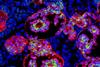
NewsKidney organoids show APOL1 gene’s role in chronic kidney disease
New research using stem cell-derived kidney organoids reveals how APOL1 gene mutations disrupt mitochondrial function in kidney cells – potentially leading to new targeted treatments.
-
 Article
Fighting MS progression: why GPR17 is the target to watch
Despite major advances in multiple sclerosis treatment, stopping disease progression has remained out of reach. Targeting the receptor GPR17 may harness the brain’s own repair system, offering the prospect of genuine remyelination and lasting benefit for patients.
-
 News
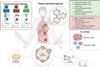
NewsTiny models, powerful insights: how organoids are driving precision oncology
A new review has highlighted how three-dimensional organoid models are transforming cancer research by replicating the complexity of human tumours – bringing precision oncology closer to the clinic.
-
 News
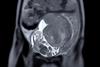
NewsSevere flu during pregnancy compromises placental and brain barriers
Severe flu in pregnancy may weaken the placenta and foetal brain, allowing harmful molecules to leak in and disrupt development, a new study finds
-
 News
NewsFibroblast mapping reveals potential universal drug targets
Scientists have mapped the diversity of fibroblasts and discovered how ‘rogue’ fibroblasts drive multiple diseases, revealing drug targets that could transform treatments across the body.
-
 News
NewsLab-grown kidneys show real function in new stem cell study
USC Stem Cell scientists have created the most advanced lab-grown kidney structures to date, combining key components into ‘assembloids’ that mature and function like real kidneys, which could open up new possibilities for modelling complex kidney diseases.
-
 News
NewsNew stem cell approach could repair stroke-damaged brains
A new experimental stem cell therapy shows promise in repairing brain damage after ischemic strokes – potentially allowing for the development of future treatments that extend the recovery window.
-
 News
NewsHow circulating tumour cell organoids are transforming oncology
Circulating tumour cell (CTC)-derived organoids are changing cancer research, providing scientists with a powerful tool for studying drug resistance and informing the development of new personalised therapies.
-
 Article
Advancing antiviral therapeutics for immunocompromised populations
With few antiviral options available to immunocompromised patients, a new generation of therapies - like AIC468 - is aiming to change that.
-
 News
NewsKey newborn liver cells could boost paediatric gene therapy
A small subset of newborn liver cells – known as clonogenic hepatocytes – drives over 90 percent of adult liver growth. New research shows how targeting these cells early could improve the effectiveness and durability of paediatric gene therapies.
-
 News
NewsNon-invasive method images brain development in juvenile mice
Stanford researchers have developed a non-invasive method to make juvenile mice’s skin transparent, allowing repeated imaging of developing neural circuits. The breakthrough could be used to develop new treatments for neurodevelopmental disorders.
-
News
Scientists chart ovarian reserve to help advance new infertility treatments
UCLA scientists have created the first detailed map of how the ovarian reserve forms in primates, offering new insights – and potential new treatments – for infertility, polycystic ovary syndrome (PCOS) and hormone-related conditions.