


All Stem Cells articles – Page 5
-
 News
New stem cell approach could repair stroke-damaged brains
A new experimental stem cell therapy shows promise in repairing brain damage after ischemic strokes – potentially allowing for the development of future treatments that extend the recovery window.
-
 News
How circulating tumour cell organoids are transforming oncology
Circulating tumour cell (CTC)-derived organoids are changing cancer research, providing scientists with a powerful tool for studying drug resistance and informing the development of new personalised therapies.
-
 Article
Advancing antiviral therapeutics for immunocompromised populations
With few antiviral options available to immunocompromised patients, a new generation of therapies - like AIC468 - is aiming to change that.
-
 News
Key newborn liver cells could boost paediatric gene therapy
A small subset of newborn liver cells – known as clonogenic hepatocytes – drives over 90 percent of adult liver growth. New research shows how targeting these cells early could improve the effectiveness and durability of paediatric gene therapies.
-
 News
Non-invasive method images brain development in juvenile mice
Stanford researchers have developed a non-invasive method to make juvenile mice’s skin transparent, allowing repeated imaging of developing neural circuits. The breakthrough could be used to develop new treatments for neurodevelopmental disorders.
-
News
Scientists chart ovarian reserve to help advance new infertility treatments
UCLA scientists have created the first detailed map of how the ovarian reserve forms in primates, offering new insights – and potential new treatments – for infertility, polycystic ovary syndrome (PCOS) and hormone-related conditions.
-
 News
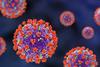
Hijacking Leydig cells: how COVID-19 lowers testosterone
Brazilian researchers have discovered that SARS-CoV-2 targets testosterone-producing cells in the testicles, hijacking cholesterol and lipid metabolism in order to replicate. The findings could lead to new therapies for treating the disease based on drugs that disrupt lipid metabolism.
-
 News
DNA organiser STAG3 could advance infertility and cancer research
Kyoto University researchers have discovered a new DNA-organising protein complex called STAG3-cohesin – a protein that appears in human B cells and blood cancers. This discovery could potentially lead to new approaches for treating infertility and certain cancers.
-
 News
New M13 virus method could change future genetic treatments
Researchers at the University of Waterloo have developed a modified bacterial virus that can deliver gene therapies cheaper and more efficiently – moving us closer toward personalised, affordable genetic medicine.
-
 Article
Inside the Alzheimer’s study backing stem cells, not drugs
In this first-in-human Alzheimer’s study, Wnt-activated autologous stem cells are delivered intracerebroventricularly (directly into the brain) to address neuronal loss, while also reducing amyloid and tau biomarkers and improving cognition. Early data from this regenerative approach could help early drug discovery teams shape target selection, biomarker development and trial design.
-
 News
Cholesterol drug restores brain barrier function in 22q11.2 syndrome models
Researchers have found that mitochondrial dysfunction in the blood-brain barrier may drive neuropsychiatric disease in 22q11.2 deletion syndrome – and that a cholesterol drug could restore barrier function and ease symptoms.
-
 News
From graphene to grey matter: tech that supercharges brain organoids
Researchers at UC San Diego have discovered a graphene-based technology that accelerates the maturation of human brain organoids, offering a safer, non-invasive way to model diseases like Alzheimer’s.
-
 News
Kidney organoids reveal hidden toxicities in AAV gene therapy
Stem cell-derived kidney organoids have revealed hidden toxicities in adeno-associated virus (AAV) gene therapy delivery – offering a powerful new way to improve the safety of future treatments.
-
 News
Scientists develop 3D-printed dermis for faster burn recovery
Researchers have developed a 3D-printed ‘skin in a syringe’, using a patient’s own cells to create functional dermis that could change the way we treat severe burns.
-
News
Targeted microglia transplant reverses signs of rare brain disorder
Stanford Medicine researchers have developed a targeted brain cell transplant that replaced most diseased microglia in mice with Sandhoff disease – extending their lifespan and reversing symptoms
-
 News
AI-driven Alzheimer’s therapies show promise in early studies
Porosome Therapeutics has announced new advancements in Alzheimer’s treatment – presenting therapies that restore neuronal function, reduce Tau protein levels and reverse disease pathology in human brain organoids.
-
News
Whole-brain organoid offers breakthrough in neurological research
Johns Hopkins University scientists have engineered a new multi-region brain organoid that mimics early human brain development. The model offers a powerful new tool for studying disorders like autism, schizophrenia and Alzheimer’s disease.
-
 News
Scientists discover neuron-like communication in gut cells
Scientists in Singapore have discovered that gut support cells – known as telocytes – use neuron-like extensions to deliver signals directly to intestinal stem cells. This could lead to new treatments for diseases such as inflammatory bowel disease and colon cancer.
-
 News
New 3D bioprinted lung tissue could transform respiratory research
UBC Okanagan researchers have developed a new 3D bio-printed lung model that closely mimics the complexity of human tissue – providing scientists with a powerful new tool for studying respiratory diseases.
-
 News
New AI model PROTsi identifies aggressive tumours using protein markers
Researchers in Brazil and Poland have developed an AI-powered tool that predicts cancer aggressiveness by analysing protein expression - offering new insights into tumour behaviour.