




What if one of gene therapy’s biggest obstacles isn’t delivery, but the body’s own cells? Discover why DNA silencing is emerging as a major challenge for long-lasting genetic medicines.
Gene therapy has already demonstrated remarkable clinical success. A single dose of DNA can restore sight in children with inherited blindness or enable patients with haemophilia to stop receiving regular clotting factor treatment, sometimes for years. These advances have changed expectations for diseases once considered untreatable.
However, for every gene therapy that reaches patients, many more fail. This is often not because the target disease or delivery method is unsuitable, but because the therapeutic DNA gradually stops working once inside the body. This remains one of the least understood challenges in the field. It also contributes to many of the issues that receive greater attention, including cost, dosing, manufacturing and access. Until it is addressed, progress in these areas is likely to remain limited.
Unlike conventional medicines, which the body can metabolise or become less responsive to over time, gene therapies are intended to provide long-lasting benefit from a single treatment. If the therapeutic DNA is silenced, however, gene expression gradually declines and what was intended to be a durable treatment may instead provide only temporary benefit.
The hidden challenge of gene silencing
When a therapeutic gene enters a cell, the cell does not recognise it as medicine. Instead, it appears similar to foreign genetic material, such as that from a virus. Over millions of years, cells have evolved highly effective defence mechanisms that detect foreign DNA and silence it before it can cause harm.
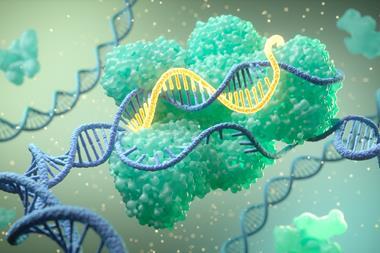
One of the most important of these defence mechanisms is the HUSH complex (Human Silencing Hub), a group of proteins first identified by researchers at the University of Cambridge. Increasing evidence suggests that HUSH is an important barrier to the long-term effectiveness of gene therapies.
The complex scans newly introduced DNA and, if it identifies features associated with viral genetic material, it silences gene expression. It does this by compacting the DNA and adding molecular marks that prevent it from being read, with gene expression gradually declining over days, weeks or months.
Increasing evidence suggests that HUSH is an important barrier to the long-term effectiveness of gene therapies.
In the case of a viral infection, this defence mechanism protects the cell by preventing viral genes from being expressed. The challenge is that the HUSH complex cannot distinguish between viral DNA and therapeutic DNA introduced by gene therapy. As a result, a carefully designed treatment may trigger the same response as a viral infection, leading to gradual silencing of the therapeutic gene. Over time, this can reduce gene expression and limit the durability of treatment.
Some therapeutic gene copies may become silenced over time, meaning higher doses are often required to achieve and maintain sufficient levels of gene expression. This can mean administering more genetic material than would otherwise be necessary. Higher doses increase manufacturing demands, contributing to the high cost of many gene therapies and may also increase the risk of immune responses.
Higher doses do not, however, address the challenge of long-term durability. Even when a treatment initially achieves therapeutic levels of gene expression, gradual silencing can reduce its effectiveness over time. This may limit the long-term benefit of what is intended to be a one-time treatment and raises questions about whether repeat dosing is feasible.
DNA silencing is a major reason why gene and cell therapies are so expensive, both for the companies developing them and the health systems that have to pay for them.
Delivery is only part of the solution
Historically, researchers have addressed gene silencing through trial and error, testing different DNA sequence elements to identify combinations that maintain gene expression for longer. Although this approach has led to improvements and remains valuable, it becomes increasingly difficult to apply at scale. Even for relatively modest gene therapies, the number of possible DNA sequence combinations is vast, making it impractical to evaluate every option experimentally. Without a clear understanding of the sequence features that trigger cellular silencing mechanisms, identifying effective designs remains a significant challenge.
Without a clear understanding of the sequence features that trigger cellular silencing mechanisms, identifying effective designs remains a significant challenge.
This is also a different problem from the one most of the industry has focused on recently: delivery. A lot of progress has been made in getting a gene therapy to the right part of the body more precisely and at a lower dose, but that only solves the journey into the cell. It doesn’t solve what happens to the DNA once it’s already there and must survive the cell’s defences for months or years. These are two separate problems and solving one doesn’t solve the other.
Designing around the cell’s defences
Recent advances have improved understanding of how the HUSH complex functions and the sequence features that trigger gene silencing. This knowledge makes it possible to redesign DNA sequences surrounding a therapeutic gene to reduce recognition by cellular defence mechanisms while preserving the gene’s intended function. The therapeutic gene itself remains unchanged; instead, the surrounding DNA sequence is modified to reduce the likelihood of silencing.
If this is achievable, a reasonable question is why the field has not already adopted this approach. The answer is that it has only become possible relatively recently.
This knowledge makes it possible to redesign DNA sequences surrounding a therapeutic gene to reduce recognition by cellular defence mechanisms while preserving the gene’s intended function.
Understanding the sequence patterns recognised by the HUSH complex and related pathways in sufficient detail to redesign around them is a relatively new area of research. Even with this knowledge, the number of potential redesigns for any given gene is too large to evaluate experimentally. This has only become feasible with recent advances in both biological understanding and computational tools.
Applying machine learning to DNA design
With so many possible sequence variations, this becomes as much a computational challenge as a biological one. Machine learning models trained to identify relationships between DNA sequences and gene silencing can predict which redesigns are more likely to maintain gene expression, reducing the need to test every candidate experimentally. This shifts development away from a trial-and-error approach towards a more predictive and systematic design process.
Used across different therapies, this approach has the potential to improve both the level and duration of gene expression. This could reduce the amount of genetic material required, lower manufacturing demands and improve the long-term durability of gene therapies.
At Houdini Bio, we are applying our understanding of the HUSH complex to develop strategies that reduce gene silencing. In preclinical studies, this approach increased gene expression by more than tenfold compared with conventional sequence designs.
Gene therapy has demonstrated the potential of genetic medicines to treat previously intractable diseases. Future progress will depend not only on improving delivery technologies and gene-editing tools, but also on understanding how therapeutic DNA interacts with cellular defence mechanisms. Addressing these challenges could improve the durability, reliability and accessibility of the next generation of gene therapies.










No comments yet