



All Epigenetics articles
-
 News
NewsInsilico Medicine launches open-source AI longevity research toolkit
Insilico Medicine has published a Cell cover study introducing LongevityBench, a suite of specialised AI models and an autonomous agentic discovery platform.
-
 Article
Sample collection: the overlooked key to genomic study success
As genomic studies become larger and more diverse, sample collection can make or break their success. Discover why collection strategy matters for recruitment, scale and data quality.
-
 Article
Why researchers are revisiting bisantrene decades after it was abandoned
An oncology drug abandoned decades ago is getting a second look, with new research uncovering a mechanism that could offer an alternative route to targeting MYC, one of cancer’s toughest targets.
-
 Article
Gene therapy’s biggest challenge is the cell’s own defence mechanisms
What if one of gene therapy’s biggest obstacles isn’t delivery, but the body’s own cells? Discover why DNA silencing is emerging as a major challenge for long-lasting genetic medicines.
-
 News
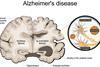
News3D genome reorganisation identified as Alzheimer’s disease molecular hallmark
An international study combining single-cell genomics, spatial transcriptomics and artificial intelligence has identified large-scale changes in three-dimensional genome organisation in Alzheimer’s-affected brain cells, establishing chromatin architecture as a previously overlooked component of the disease’s molecular pathology and a potential framework for future therapeutic targeting.
-
 News
NewsNTX-301 targets treatment-resistant AML via Hippo pathway in preclinical study
A novel epigenetic therapy has demonstrated activity against treatment-resistant acute myeloid leukaemia in preclinical models, including high-risk TP53-mutant disease, by selectively reactivating the Hippo tumour-suppressor pathway.
-
 News
NewsNew BET therapies could help beat resistance in solid cancers
A new review finds that next-generation BET-targeted therapies, including selective inhibitors and PROTACs, are addressing the clinical shortcomings of earlier compounds and reviving interest in this approach for solid tumour treatment.
-
 News
NewsNew BET inhibitors could overcome barriers in solid tumour treatment
A new review examines how advances in drug design, PROTAC degraders and combination therapies are reviving the clinical prospects of BET inhibition in solid tumours, after early-generation compounds were hampered by toxicity, resistance and modest efficacy.
-
 News
NewsATRX mutations reprogram chromatin to drive glioma progression
Scientists at MD Anderson Cancer Center have revealed how ATRX mutations restructure chromatin and activate oncogenic developmental pathways in glioma, pointing towards novel therapeutic targets including the HOXA signalling axis.
-
 News
NewsEpilepsy drug sodium valproate could improve vaccine immune responses
A commonly prescribed epilepsy drug has shown striking potential as a vaccine booster in a controlled human trial, more than doubling antibody levels and increasing T cell responses tenfold at a fraction of its standard therapeutic dose.
-
 News
NewsMETTL3 protein finds new mechanism driving breast cancer metastasis
Scientists at Umeå University have uncovered a previously unknown function for the RNA-modifying protein METTL3, revealing it plays a distinct role in enabling breast cancer cells to invade surrounding tissue and form metastases – findings that could open new avenues for therapeutic targeting.
-
 News
NewsResearchers reveal how entinostat disrupts pancreatic cancer repair
Scientists at the Salk Institute have discovered how the investigational HDAC inhibitor entinostat disrupts DNA repair mechanisms in pancreatic cancer cells, potentially enabling more effective combination therapies with reduced toxicity through novel nanoparticle delivery systems.
-
 News
NewsStudy suggests senolytic therapies could slow spinal disc degeneration
Thomas Jefferson University researchers have demonstrated that senolytic therapies targeting cellular senescence may delay early intervertebral disc degeneration, a major cause of chronic back and neck pain.
-
 News
NewsParse Biosciences and bit.bio map transcription factor-driven cell identity
Parse Biosciences and bit.bio have formed an alliance to map transcription factor-driven cell identity using single cell sequencing and causal transcriptomics.
-
 Article
Turning GWAS signals into drug targets with scalable CRISPR
Genome-wide association studies have linked thousands of genetic variants to disease, yet most remain disconnected from drug-relevant biology. Neville Sanjana, Professor at New York University and Core Faculty Member at the New York Genome Center, explains how scalable CRISPR screens systematically link noncoding variants to causal genes and therapeutic targets.
-
 News
NewsProtein modifications control drug binding and efficacy in new study
New research reveals that subtle chemical changes to proteins after synthesis play a critical role in determining drug-protein interactions.
-
 News
NewsAI tool reveals DNA exists in partially open states
Researchers have discovered that DNA wrapped around nucleosomes exists in multiple partially open states rather than simply locked or accessible configurations.
-
 Article
Variant or viable target? How resolving complex genomic regions is reshaping rare disease therapeutics
Dr Aaron Wenger reveals how improvements in long-read sequencing technology is enabling the elucidation of complex disease mechanisms for targeted and effective treatments for rare diseases.
-
 News
NewsNew platform reveals shared drug targets across genetic mutations in cancer and neurodegeneration
Researchers have developed PerturbFate, a platform that simultaneously tracks gene expression, RNA dynamics and chromatin accessibility across thousands of genetic perturbations in single cells. Applied to melanoma drug resistance, the technology revealed that diverse mutations converge on shared regulatory nodes, offering a route to therapies targeting common mechanisms rather than individual genetic alterations.
-
 News
NewsLactylation emerges as key driver of lung cancer resistance
New research from Shanghai Pulmonary Hospital outlines how lactate-driven lactylation acts as a metabolic switch controlling epigenetic regulation in lung cancer. The findings reveal self-reinforcing feedback loops that sustain drug resistance and suggest novel therapeutic strategies targeting the enzymes and pathways that maintain this process.