



Emerging BET-targeted strategies could potentially help to overcome the resistance, toxicity and modest efficacy that hampered first-generation compounds in clinical trials.
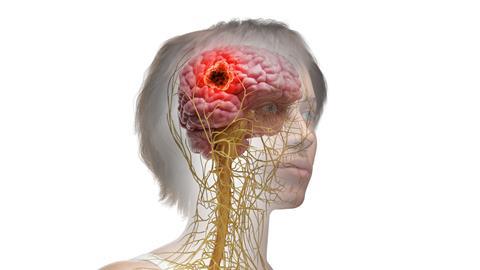
New research suggests that the next generation of therapies targeting BET proteins could overcome the limitations of earlier drugs and improve treatment options for patients with a range of solid tumours.
The research examines the current landscape of BET-targeted therapies highlights how advances in drug design and combination treatments are renewing optimism for a strategy that initially showed promise but struggled to deliver consistent clinical benefits.
BET proteins, particularly BRD4, play a central role in driving cancer growth by regulating the expression of genes linked to tumour development. While first-generation BET inhibitors demonstrated encouraging results in laboratory studies, their success in clinical trials was limited by modest effectiveness, significant side effects and the development of drug resistance.
Early promise met clinical challenges
BET proteins, including BRD2, BRD3, BRD4 and BRDT, regulate gene activity by binding to acetylated chromatin. Among them, BRD4 has emerged as a particularly important target in solid tumours because of its role in activating cancer-promoting genes such as MYC.
Early compounds including JQ1, molibresib and birabresib successfully displaced BRD4 and reduced MYC activity in preclinical studies. However, clinical trials produced only modest responses, with the greatest benefits seen in patients with NUT carcinoma, where BRD4 gene fusions are a key driver of the disease, and in some cases of castration-resistant prostate cancer.
BET proteins, including BRD2, BRD3, BRD4 and BRDT, regulate gene activity by binding to acetylated chromatin
Researchers say several factors limited the success of these first-generation drugs. Their relatively short half-lives reduced their effectiveness, while thrombocytopenia, a reduction in platelet levels, emerged as the main dose-limiting side effect. Cancer cells also developed resistance through mechanisms including BRD4 isoform switching and activation of alternative signalling pathways such as PI3K/AKT and WNT.
New approaches aim to improve outcomes
The review highlights several next-generation strategies designed to overcome these barriers.
One approach involves BD2-selective inhibitors, such as ABBV-744, which selectively target one of BRD4’s bromodomains while sparing the other. This design aims to maintain anti-tumour activity while reducing the risk of thrombocytopenia.
Another promising strategy uses proteolysis-targeting chimeras, or PROTACs, including ARV-771 and MZ1. Rather than simply blocking BET proteins, these agents trigger their complete degradation, potentially overcoming resistance caused by changes in BRD4 structure.
Researchers are also investigating bivalent inhibitors, including AZD5153, which bind to both bromodomains simultaneously to achieve stronger and more sustained activity. Other experimental approaches combine BET inhibition with kinase or HDAC inhibitors or disrupt BRD4-driven phase separation at tumour super-enhancers.
Combination therapies in focus
The review concludes that combination treatments are likely to play a key role in improving clinical outcomes.
Studies suggest BET inhibitors may work particularly well alongside PARP inhibitors by exploiting weaknesses in tumour DNA repair mechanisms, especially in triple-negative breast and ovarian cancers. Combining BET inhibitors with androgen receptor antagonists has also shown results in castration-resistant prostate cancer, while pairing them with immune checkpoint inhibitors remains under investigation despite concerns over toxicity.
Studies suggest BET inhibitors may work particularly well alongside PARP inhibitors by exploiting weaknesses in tumour DNA repair mechanisms
Researchers say future progress will depend on identifying biomarkers that predict which patients are most likely to benefit, refining dosing schedules to reduce side effects and developing more selective or degradative therapies. Continued research into rare cancers such as NUT carcinoma is also expected to help define where BET-targeted treatments can deliver the greatest clinical benefit.







No comments yet