



Findings from a new study at Mount Sinai suggests radiotherapy alters the tumour environment to support CAR T cell persistence via dendritic cells, potentially overcoming a key challenge in solid tumours.
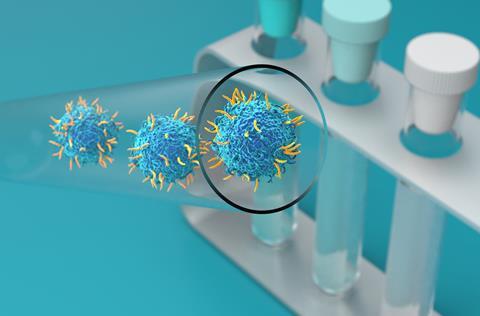
Researchers at the Icahn School of Medicine at Mount Sinai have identified a potentially significant advance in the treatment of solid tumours, discovering that focused irradiation may dramatically improve the effectiveness of CAR T-cell therapy in cancers such as lung cancer and melanoma.
The findings suggest that radiotherapy can help engineered immune cells survive longer and multiply more effectively within tumours, overcoming one of the major barriers that has limited the success of CAR T treatments in solid cancers.
CAR T cell therapy works by removing a patient’s T cells, genetically reprogramming them to recognise and attack cancer cells and then returning them to the body. The approach has drastically improved the treatment of some blood cancers but has produced far less impressive results in patients with solid tumours.
A key challenge has been the inability of CAR T cells to persist inside tumours long enough to eradicate the disease. Although the cells often reach the tumour site, their numbers decline before they can fully eliminate cancer cells.
Unexpected role for dendritic cells
The Mount Sinai team discovered that irradiation does more than directly damage cancer cells. It also alters the tumour environment in a way that supports CAR T cell activity.
In mouse models of advanced lung cancer and melanoma, researchers found that irradiation encouraged dendritic cells – immune cells responsible for presenting antigens to T cells – to capture intact tumour proteins and display them on their own surfaces. This process, known as ’antigen dressing’, allowed the dendritic cells to directly stimulate CAR T cells within the tumour.
The Mount Sinai team discovered that irradiation does more than directly damage cancer cells
As a result, the CAR T cells remained active and continued multiplying over several weeks, leading to sustained control of advanced lung tumours that could not be eliminated by CAR T therapy alone.
“This study shows that irradiation can do more than kill cancer cells; it can enhance cell therapy,” said Dr Jalal Ahmed, corresponding author and Assistant Professor of Immunology, Immunotherapy and Radiation Oncology, at the Icahn School of Medicine at Mount Sinai. “We found that dendritic cells can dress themselves in tumour proteins and use them to directly expand CAR T cells through the engineered receptor. This was completely unexpected – dendritic cells normally engage T cells through an entirely different mechanism.”
Potential safety benefits
The study also revealed a possible solution to one of the biggest safety concerns surrounding CAR T treatment for solid tumours.
Researchers found that CAR T cell expansion remained largely confined to the irradiated tumour. While activity increased within the cancerous tissue, the engineered cells did not become more active in nearby healthy organs, even when those tissues carried the same target protein.
This finding could help reduce the risk of harmful side effects that have previously led to the termination of some CAR T clinical trials.
“What is striking is that irradiation does not just amplify the immune response – it tells the immune system where to act,” said Dr Miriam Merad, study co-author and Robin Chemers Neustein Professor of Immunology and Chair of Immunology and Immunotherapy at the Icahn School of Medicine at Mount Sinai. “Confining CAR T cell expansion to the tumour could open up a new generation of safer cell therapies for solid cancers.”
Path towards clinical trials
The researchers believe the approach could be key for patients with metastatic solid tumours, where treatment options are limited. Because radiotherapy is already widely available in cancer centres worldwide, the strategy could move into clinical testing without the need for new equipment or infrastructure.
The researchers believe the approach could be key for patients with metastatic solid tumours, where treatment options are limited
“This work suggests that preparing the tumour environment is important to optimise the efficacy of CAR T cells,” said study co-author Dr Michel Sadelain, Founding Director of Columbia University’s Institute for Cell Engineering and Therapy. “Irradiation may provide a practical way to help CAR T cells succeed in solid tumours.”
The team highlighted that the research remains at the preclinical stage and must now be evaluated in human trials before it can be adopted in routine cancer care.



No comments yet