



A new comprehensive review reveals how lactylation – a post-translational modification driven by lactate – functions as a critical metabolic regulator in lung cancer progression and treatment resistance.
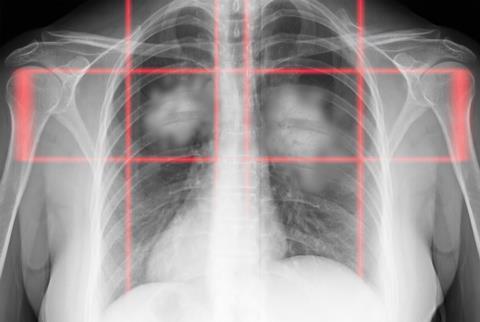
A newly published review has outlined an emerging biological process that may play a crucial role in the progression of lung cancer and its resistance to treatment.
Led by Yong Xu and colleagues at Shanghai Pulmonary Hospital, the study examines lactylation, a post-translational modification driven by lactate. The findings suggest that lactate, once dismissed as a mere metabolic waste product is actually central to a complex signalling network linking cellular metabolism to epigenetic regulation.
Understanding the ‘reflex arc’ mechanism
The review outlines what researchers describe as a ’reflex arc’ of lactylation regulation, involving three key groups of molecules. These include ’writers’ such as p300 and AARS1/2, which detect lactate levels and add lactyl marks to proteins, ’erasers’ including HDACs and SIRT1/3 that remove these marks and ’readers’ like BRG1 that interpret the signals and activate downstream gene expression.
The review outlines what researchers describe as a ’reflex arc’ of lactylation regulation, involving three key groups of molecules
This coordinated system enables tumour cells to adapt rapidly to their environment, influencing how genes are switched on or off in response to metabolic changes.
Links to immune escape and drug resistance
The study highlights how lactylation contributes to tumour survival in different forms of lung cancer. In non-small cell lung cancer, histone H3K18 lactylation is shown to promote immune evasion through the POM121, MYC and PD-L1 pathway. In small cell lung cancer, a separate mechanism involving the LDH-H3K18la-Nur77 axis was shown to play a similar role.
Researchers also identified several self-reinforcing feedback loops that help sustain resistance to treatment. Among these are the CTHRC1-driven glycolysis pathway linked to H3K18 lactylation and the NNMT-EGR1-lactate axis. These loops allow cancer cells to maintain high levels of lactylation, even under therapeutic pressure.
Informing for future treatments
The findings point towards new strategies for tackling drug resistance. By targeting the enzymes responsible for adding lactyl marks, reducing lactate production or disrupting the feedback mechanisms that sustain the process, scientists believe it may be possible to restore the effectiveness of existing therapies.
“This framework provides a new perspective for overcoming tumour treatment resistance and developing precision therapies,” said Xu.
This framework provides a new perspective for overcoming tumour treatment resistance and developing precision therapies
The review reflects a broader shift in how researchers are now viewing lactate in cancer biology. Rather than being a simple by-product of metabolism, it is recognised as a key regulator of cellular behaviour.
As research continues, the insights gained by this study could lead to new targeted and effective treatments for lung cancer, particularly for patients whose disease no longer responds to current drugs.






No comments yet