Spanish researchers have discovered a key inflammatory mechanism that could lead to new innovative treatments to reduce liver damage and improve vascular function in cirrhosis.
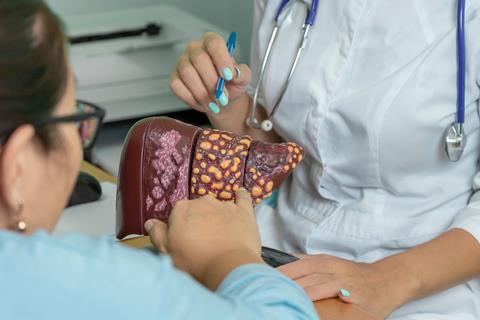
Researchers from Miguel Hernández University of Elche (UMH) in Spain have found a potential new approach to reducing structural liver damage and improving vascular function in cirrhosis, a condition responsible for over one million deaths worldwide each year. Their findings reveal a key inflammatory mechanism that contributes to liver injury and may become a target for future therapies.
Understanding the role of inflammation
“Our main objective was to understand the role of platelet-activating factor (PAF) and its receptor (PAF-R) in liver cirrhosis, a disease characterised by progressive liver damage accompanied by intense chronic inflammation,” explains Rubén Francés Guarinos, researcher in the Department of Clinical Medicine at UMH. The study also examined whether blocking this inflammatory pathway could improve liver function in cirrhosis.
Despite its widespread impact, current treatments for cirrhosis are limited.
Liver cirrhosis is a severe, progressive disease in which healthy liver tissue is gradually replaced by scar tissue, leading to a loss of structure and function. Globally, the condition affects more than one million people and accounts for approximately 2.4 percent of all deaths, highlighting its significant public health impact.
“Beyond mortality, cirrhosis involves a high burden of complications – including infections, bleeding, cognitive impairment and loss of autonomy – that profoundly affect patients’ quality of life,” adds Francés.
Despite its widespread impact, current treatments for cirrhosis are limited, typically focusing on managing complications rather than addressing the underlying biological mechanisms that drive liver damage. This underscores the need for research that deepens our understanding of disease mechanisms and identifies more effective treatment strategies.
 Using human liver samples and a mouse model of cirrhosis, researchers identified epigenetic overactivation of the inflammatory PAF–PAF-R pathway in hepatic macrophages as a key driver of liver damage. Credit: Ángel-Gomis, E. et al (Biomedicine & Pharmacotherapy, 2025).[/caption]
 Investigating experimental treatments
To explore potential interventions, the researchers compared different experimental treatments in both healthy and cirrhotic liver tissue. They administered a PAF antagonist, BN-52021, which blocks the PAF-R receptor, alongside an inhibitor called Aza, which modifies the epigenetic regulation of the receptor. Advanced analyses, including DNA methylation profiling, were used to investigate why PAF-R expression is abnormally elevated in cirrhosis.
The study was conducted using liver samples from patients with cirrhosis to confirm the relevance of the findings in humans, as well as in a mouse model of experimental liver injury. Analyses focused on Kupffer cells, specialised immune cells in the liver that play a central role in inflammatory responses.
Key findings and implications
The study revealed that an epigenetic mechanism drives the increased expression of PAF-R in these inflammatory cells. In cirrhosis, demethylation of the PAF-R gene promoter removes a chemical mark that normally limits expression, leading to overactivation of the gene, an increase in PAF-R receptors, and amplified inflammation and liver damage.
The results also showed that treatment with BN-52021 effectively reduced structural liver damage and improved hepatic vascular function in cirrhotic mice.
The results also showed that treatment with BN-52021 effectively reduced structural liver damage and improved hepatic vascular function in cirrhotic mice. The treatment also helped restore balance in the liver’s immune and inflammatory responses.
“Taken together, these findings suggest that drugs capable of blocking PAF action, such as BN-52021, could represent a new therapeutic line for liver cirrhosis,” concludes UMH researcher Enrique Ángel Gomis, first author of the study. The findings also open avenues for therapies targeting the epigenetic mechanisms regulating PAF-R, with the potential to control inflammation and liver damage at their molecular origin.




Topics
- Analytical Techniques
- Digestive disorders
- Disease Research
- Drug Development
- Drug Discovery
- Drug Discovery Processes
- Drug Targets
- Epigenetics
- Immunology
- In Vivo Testing
- Miguel Hernández University of Elche (UMH)
- Molecular Biology
- Neurological disorders
- Pharmacology
- Research and development
- Rubén Francés Guarinos (researcher in the Department of Clinical Medicine at UMH)
- Translational Science