



The experimental drug NTX-301 could offer a new strategy for relapsed AML, outperforming azacitidine and retaining efficacy in venetoclax-resistant and TP53-mutant disease through targeted epigenetic reprogramming and Hippo pathway activation.
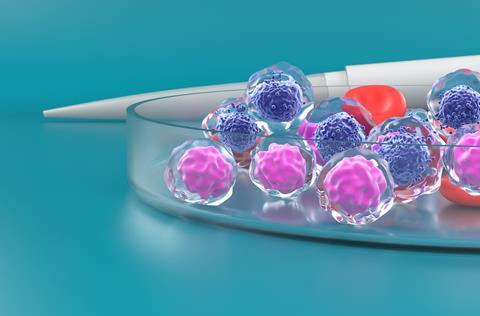
An investigational epigenetic therapy has shown encouraging results against treatment-resistant acute myeloid leukaemia (AML) in preclinical studies from The University of Texas MD Anderson Cancer Center.
The research discovered that an experimental drug, called NTX-301, remained effective in therapy-resistant AML by activating the Hippo pathway, a tumour-suppressing signalling pathway involved in regulating cell growth and drug resistance.
The findings suggest the treatment could provide a new approach for patients with relapsed AML, including those with TP53 mutations, one of the highest-risk forms of the disease.
Tackling treatment resistance
AML is an aggressive blood cancer in which many patients initially respond to frontline treatment combining hypomethylating agents with venetoclax. However, resistance frequently develops, allowing the disease to return.
Patients with mutations in the TP53 gene face an even greater challenge. TP53 normally helps cells respond to damage and prevents uncontrolled growth, but mutations can make leukaemia cells more resistant to treatment and harder to eliminate.
AML is an aggressive blood cancer in which many patients initially respond to frontline treatment combining hypomethylating agents with venetoclax
Researchers investigated whether NTX-301 could overcome these barriers by testing the therapy across several preclinical models of resistant AML, including patient-derived xenograft models.
“Leukemia cells are remarkably adaptable and often find new pathways to survive after treatment,” said study co-lead Dr Michael Andreeff. “These findings suggest NTX-301 may disrupt several of those survival mechanisms simultaneously while reactivating pathways that normally restrain cell growth. That dual effect could help explain why NTX-301 remained active in some of the most therapy-resistant forms of AML.”
Improved activity in resistant disease
The research team found NTX-301 consistently reduced leukaemia cell survival more effectively than azacitidine, a widely used hypomethylating agent.
Importantly, the therapy retained anti-leukaemia activity in cells that had already become resistant to both hypomethylating treatment and venetoclax. It also demonstrated activity in AML models carrying TP53 mutations.
When combined with venetoclax, NTX-301 produced stronger anti-leukaemia effects than either treatment alone. The combination was effective against both leukaemia blasts and leukaemia stem and progenitor cells, which are believed to play a key role in disease persistence and relapse.
Activating the Hippo pathway
To understand why NTX-301 appeared more effective than existing therapies, researchers examined changes in DNA methylation, an epigenetic process that controls whether genes are switched on or off.
Unlike current hypomethylating agents, which broadly affect DNA methylation, NTX-301 selectively targeted specific genes and pathways, including the Hippo pathway.
The treatment increased the activity of key Hippo pathway genes while reducing levels of YAP, a protein associated with cancer cell survival, treatment resistance and stem-like characteristics. Researchers believe reactivating the Hippo pathway may explain why the drug remained effective in resistant AML models.
Next steps
Further research will be needed to determine whether the findings translate into clinical benefits for patients and to identify those most likely to respond. Researchers say patients with relapsed AML, venetoclax-resistant disease and TP53 mutations are likely to be priorities for future clinical studies.
Further research will be needed to determine whether the findings translate into clinical benefits for patients and to identify those most likely to respond
“An encouraging aspect of this study is that it identified both a potential therapeutic opportunity and a biological explanation for why it may be effective,” said study co-lead Dr Bing Carter. “The results provide a rationale for continued clinical development and suggest that targeting Hippo signaling may help address treatment resistance in AML.”










No comments yet