



A new study has shown that ATRX loss systematically reprogrammes the epigenome and three-dimensional chromatin architecture in glioma cells, activating developmental gene networks that drive tumour progression and identifying the HOXA pathway as a promising drug target.
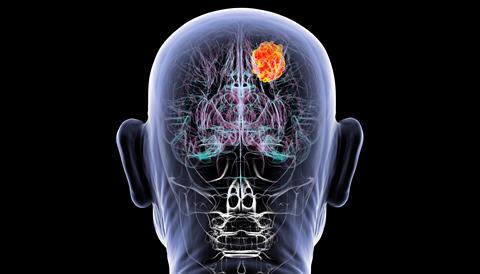
Researchers have discovered how one of the most common genetic alterations in glioma changes the genetic architecture of cancer cells, which could help scientists develop more targeted treatments for patients with ATRX-mutant brain tumours.
The University of Texas MD Anderson Cancer Center study found that mutations in the ATRX gene fundamentally reprogramme the epigenome and alter the three-dimensional structure of chromatin. These changes activate developmental pathways that tumours exploit to grow and spread.
The research was co-led by Dr Jason Huse, Professor of Anatomic Pathology and Dr Kunal Rai, Professor of Genomic Medicine, with significant contributions from Dr Prit Benny Malgulwar, Dr Anand Singh and Dr Ajay Saw.
Genetic changes drive tumour progression
ATRX mutations are recognised as a defining feature of many gliomas, but until now researchers had not fully understood how they influence tumour behaviour.
The study found that loss of ATRX reorganises chromatin, the tightly packed complex of DNA, RNA and proteins that forms chromosomes. This structural remodelling creates new interactions within the genome, switching on developmental gene programmes that encourage tumour growth and progression.
ATRX mutations are recognised as a defining feature of many gliomas, but until now researchers had not fully understood how they influence tumour behaviour
Among the pathways activated were WNT5A, which is associated with cancer cell movement and neurogenesis, SLITRK6, which has links to cell migration and malignant brain tumours, and several members of the HOXA gene family, which regulate early brain development.
“ATRX mutations are a defining feature in many gliomas. Our findings show that losing ATRX doesn’t just cause random damage but actually reprograms gene regulation architecture in ways that drive glioma formation and progression,” Huse said. “The next generation of personalised medicine will depend on integrating these genetic, epigenetic and structural components in order to identify the right treatment for the right patient at the right time.”
Promising therapeutic strategy
Building on these findings, the research team investigated whether targeting the newly activated pathways could slow tumour progression.
Laboratory experiments showed that blocking either WNT5A or SLITRK6 reduced the movement of cancer cells in vitro, with the most interesting results coming from targeting the HOXA pathway.
Laboratory experiments showed that blocking either WNT5A or SLITRK6 reduced the movement of cancer cells in vitro
Researchers used a peptide known as HXR9 to disrupt HOXA-mediated signalling. In preclinical models, the treatment triggered cancer cell death, slowed tumour growth and extended survival, suggesting the pathway could represent a promising therapeutic target for ATRX-deficient gliomas.
“This study underscores the need to examine the functional consequences of genetic mutations rather than solely focusing on the mutations themselves,” Rai said. “These findings could also apply to ATRX mutations in other cancers and, on a larger level, epigenetic dysfunction reprogramming cellular differentiation state and plasticity.”
Potential implications beyond glioma
Although further clinical research will be needed before the findings can be translated into patient care, the researchers believe the discovery could have implications beyond brain cancer.
As ATRX mutations occur in several cancer types, therapies aimed at the HOXA pathway may eventually prove beneficial across a wider range of ATRX-mutant tumours.
As treatment options for many gliomas are limited, the identification of new biomarkers and potential drug targets could support the development of more precise therapies tailored to the underlying biology of individual patients, offering a potential new direction in the treatment of these aggressive cancers.





No comments yet