



Texas A&M University researchers have demonstrated that age-related brain inflammation may be reversible through targeted extracellular vesicle therapy.
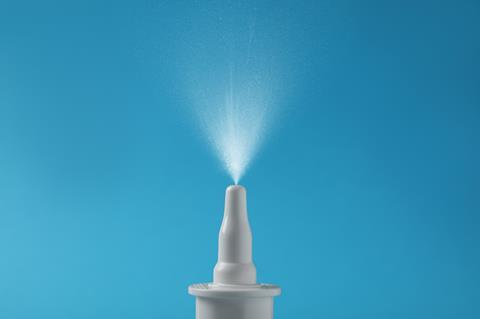
A new study from researchers at Texas A&M University suggests that age-related brain inflammation could be reversible using a simple nasal spray.
The research focuses on ’neuroinflammaging’, a gradual build-up of inflammation in the brain that contributes to cognitive decline, memory problems and increased risk of conditions such as Alzheimer’s disease. This process has traditionally been viewed as an inevitable consequence of ageing.
However, the new findings indicate that targeted treatment could not only reduce this inflammation but also restore brain function.
Promising results from early study
Researchers developed a nasal spray delivering microscopic biological particles known as extracellular vesicles. In preclinical models, just two doses were shown to significantly reduce brain inflammation, restore cellular energy function and improve memory within weeks, with effects lasting for several months.
In preclinical models, just two doses were shown to significantly reduce brain inflammation, restore cellular energy function and improve memory within weeks, with effects lasting for several months.
“Brain age-related diseases like dementia are a major health concern worldwide,” said research leader, Ashok Shetty. “What we’re showing is brain ageing can be reversed, to help people stay mentally sharp, socially engaged and free from age-related decline.”
A potential shift in treatment approaches
The team believes the therapy could represent a major shift in how neurodegenerative conditions are treated, potentially replacing more invasive or long-term interventions.
“As we develop and scale this therapy, a simple, two-dose nasal spray could one day replace invasive, risky procedures or maybe even months of medication,” said Shetty. ”The trend signals a pressing need for policies and innovative interventions that can minimise both the risk and severity of neurodegenerative disorders like dementia.”
Notably, the study found the treatment to be equally effective across both sexes, an outcome that is not always achieved in biomedical research.
How the therapy works
At the core of the treatment are extracellular vesicles carrying microRNAs.
“MicroRNAs act like master regulators,” said Madhu Leelavathi Narayana, a researcher on the study. “They help modulate and regulate many gene and signalling pathways in the brain.”
MicroRNAs act like master regulators
Delivered via the nasal cavity, the vesicles are able to bypass the brain’s natural protective barrier and enter brain tissue directly. Once inside, the therapy suppresses inflammatory pathways linked to ageing while restoring the function of mitochondria, the structures responsible for producing energy within brain cells.
“We are giving neurons their spark back by reducing oxidative stress and reactivating the brain’s mitochondria,” Narayana said.
Looking ahead to clinical impact
Behavioural testing showed clear improvements in memory and environmental awareness, suggesting the therapy targets underlying biology and also delivers functional benefits.
The researchers have filed a US patent for the therapy and are continuing to explore its potential applications, including use in stroke recovery and broader cognitive ageing.
“Our approach redefines what it means to grow old,” Shetty said. “We’re aiming for successful brain ageing: keeping people engaged, alert and connected. Not just living longer, but living smarter and healthier.”
Backed by the National Institute on Aging, the team hopes the work will lead to new treatments that could fundamentally change how brain ageing is understood and managed.







No comments yet