




Rare neurological diseases remain one of the most challenging areas in drug discovery, with many patients still lacking treatment options. Dr Nitza Thomasson discusses returning to Servier to lead its rare neurology therapeutic area and explains why resilience, curiosity and persistence are essential for those looking to build a meaningful career in STEM.
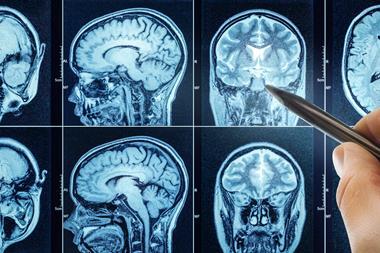
Rare neurological diseases affect more than 130 million people worldwide, yet for most patients there are still no approved treatments. Diagnoses can take years, symptoms are often misunderstood and progress in drug development remains slow. At Servier, Dr Nitza Thomasson is helping to lead efforts to change that.
Dr Nitza Thomasson, Executive Director, R&D Neurology at Servier, returned to the company in March 2025 to lead its growing rare neurology therapeutic area. After years spent across biotech, consulting and entrepreneurship, she is now focused on building a pipeline aimed at delivering treatments for patients with few or no therapeutic options.
Speaking to Drug Target Review, Thomasson discussed the scientific challenges facing rare neurology, the role of partnerships in accelerating development and why resilience, curiosity and hard work remain essential in drug discovery.
Returning with purpose
Thomasson previously worked at Servier between 2001 and 2009 before returning to the company with a clear goal – helping to build a long-term strategy for rare neurological diseases focused on scientific progress and patient need.
“Between my time at Servier in 2001 and my return in 2025, I have learned a lot. I have grown and I have evolved,” Thomasson says.
During her years away from the company, Thomasson worked extensively across the biotech sector, co-founding companies focused on rare diseases and gene therapy while also supporting entrepreneurs and investors through her consulting business, NtzConsulting. She said those experiences shaped the way she now approaches leadership and innovation.
“The opportunity was really clear. It was to build something long-term. It was to accelerate and lead Servier’s rare neurology therapeutic area,” she says.
Her decision to return was also influenced by the organisation’s structure as a non-profit foundation. Unlike many pharmaceutical companies driven by shareholder timelines, Thomasson believes Servier’s model allows for a stronger focus on patients.
“We are governed by a non-profit foundation and therefore we are not driven by the market pressure of financial timelines but by patient needs,” she explains.
We are governed by a non-profit foundation and therefore we are not driven by the market pressure of financial timelines but by patient needs.
That long-term approach is particularly important in rare neurological diseases, where research and development can take years and commercial incentives are often limited despite the scale of unmet need.
The challenge of rare neurological diseases
Although each individual condition affects relatively small patient populations, collectively rare neurological disorders impact millions worldwide. Thomasson pointed to the scale of the challenge facing both researchers and healthcare systems.
“Patients may be individually rare, but collectively they are very numerous.”
According to Thomasson, more than 130 million people worldwide live with a rare neurological disorder across approximately 600 distinct conditions. Yet despite these numbers, the field continues to face major scientific and clinical barriers.
One of the biggest challenges is diagnosis. Symptoms are frequently non-specific, develop slowly over time and may overlap with psychiatric presentations, making recognition difficult even for specialists.
“The average time from the first symptoms to confirm diagnosis is five years in the EU and even more in the US,” she adds.
The average time from the first symptoms to confirm diagnosis is five years in the EU and even more in the US.
For patients and families, those delays can have serious consequences, particularly when disease progression continues while clinicians search for answers.
Thomasson also highlighted another challenge in rare neurological disease research – measuring what truly matters to patients. Traditional clinical scales, while necessary for regulatory approval, do not always reflect meaningful improvements in daily life.
“Sometimes the improvement in a patient’s life is being able to do their dishes by themselves, without falling. And this is not captured in a clinical scale.”
To address this, Servier is involving patients and families earlier in the research process, including during clinical trial design and protocol review. Thomasson believes this collaborative approach is essential if new therapies are to deliver meaningful benefits.
“We need, early on, to bring all stakeholders around the table,” she adds.
That includes not only researchers and clinicians but also regulators and payers, who need to recognise measures that better reflect patients’ day-to-day experiences.
Building a pipeline through partnerships
Alongside these scientific challenges, Thomasson is also overseeing the development of Servier’s rare neurology pipeline.
As a relatively new therapeutic area for the company, she says partnerships and external collaborations are central to its strategy. “Over a year ago, Servier made a strategic commitment to build its rare neurology franchise,” she says.
Over a year ago, Servier made a strategic commitment to build its rare neurology franchise.
With many programmes still in research or early clinical development, Servier is actively seeking external assets and collaborations to strengthen the pipeline and accelerate progress towards its 2030 ambitions.
Thomasson described the company’s “one innovation engine” approach, where externally sourced programmes are evaluated alongside internal projects using the same scientific and strategic criteria.
“We treat these external projects the same way we treat internal projects, in terms of go and no-go decisions.”
One recent example is Servier’s acquisition of a clinical-stage asset from Kaerus Bioscience targeting Fragile X syndrome, a genetically driven autism spectrum disorder that aligns closely with the company’s broader rare neurology strategy.
Partnerships with academic institutions are also playing a major role in advancing research. Thomasson emphasised that no company can internally master every disease model or technology platform required in rare neurology. Instead, Servier collaborates with specialist research centres and academic groups, including ongoing work with University College London (UCL), to generate the translational data needed to move programmes into clinical development more quickly.
Leading with an entrepreneurial mindset
For Thomasson, the way she leads today has been strongly influenced by her years across pharma, biotech and entrepreneurship. Central to that leadership style is what she describes as an entrepreneurial mindset. “What drives me is my entrepreneurial mindset.”
She defines that mindset through several core principles – urgency, parallel working, risk-taking, continuous learning and accountability.
What drives me is my entrepreneurial mindset.
Rather than following a strictly sequential model of drug development, Thomasson believes teams need to pursue multiple options simultaneously wherever possible. “We need to work in parallel rather than waiting for one phase to finish before starting another.”
Equally important is accepting risk as part of innovation. Thomasson argues that meaningful progress in rare diseases cannot happen without a willingness to take difficult decisions and move beyond comfort zones. “We need to accept risk as the only path to making an impact,” she adds.
We need to accept risk as the only path to making an impact.
She also stressed the importance of personal accountability and shared ownership within teams, particularly in rare disease research where progress often depends on collaboration across multiple disciplines. “Solutions that we are building today, they go beyond any job description.”
Although Thomasson has spent much of her career in leadership positions, she is equally passionate about mentoring younger scientists and supporting career development within research teams.
Advice for the next generation of scientists
When asked what advice she would offer early-career scientists entering neurology R&D, her answer centred on curiosity and persistence.
“Stay curious.”
She encouraged researchers to continue learning, work hard and genuinely enjoy what they do. “If you do not enjoy what you do, then you will not work hard, you will not stay curious and you will not be willing to learn and improve.”
If you do not enjoy what you do, then you will not work hard, you will not stay curious.
Thomasson also believes failure is an important part of professional growth. “It is far better to try and fail than to never try at all.”
Those lessons are closely tied to her views on resilience, which she sees as essential not only in pharma but in life more broadly. “Resilience is possible when, and only when, you have a purpose you truly believe in.”
For Thomasson, purpose provides the energy needed to overcome setbacks and continue progressing through difficult periods. She also credits supportive teams and mentors with helping individuals develop resilience over time. “You need people around you that nurture this purpose,” she adds.
That support network, she says, is especially important for developing an entrepreneurial mindset. While some people may naturally possess certain qualities, Thomasson believes environments and team cultures can help individuals grow. “I think you can develop this mindset if you are surrounded by the right team.”
As Servier continues to expand its neurology efforts, Thomasson remains focused on the long-term goal of delivering therapies for patients who currently have few or no treatment options available.
“90 percent of patients suffering from rare neurological disorders do not have any treatment,” she states.
For Thomasson, that reality reinforces the importance of persistence throughout drug development and the need to continue developing new therapeutic options. “We owe patients, families, caregivers and medical doctors therapeutic solutions.”
She added that one of the most important lessons in her career came from her parents – to never give up.
“Never, ever give up,” she concludes.
Progress in rare disease research can take years, with setbacks and uncertainty often part of the process. For those building careers in STEM and drug discovery, Thomasson’s experience reflects the persistence, curiosity and resilience needed to keep research moving forward.








No comments yet