



Scientists are exploring ferroptosis – a form of iron-dependent cell death – as a novel strategy to combat treatment resistance in digestive cancers which could provide new therapies for pancreatic, liver, colorectal and gastric malignancies that have proven resistant to conventional treatments.
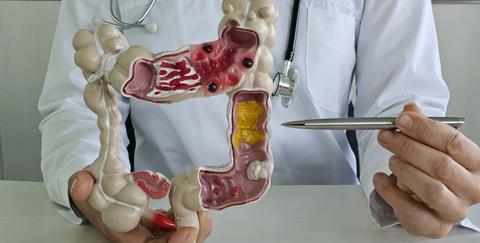
A growing body of scientific research is placing ferroptosis, a unique form of iron-dependent cell death, at the centre of efforts to tackle treatment resistance in digestive cancers.
Scientists believe the emerging approach could provide a breakthrough in some of the most difficult cancers to treat, including gastric, colorectal, liver, pancreatic and oesophageal malignancies. These diseases continue to present major challenges because of their ability to resist conventional therapies.
Tackling chemotherapy resistance
One of the biggest obstacles in cancer treatment is chemotherapy resistance, where tumour cells adapt and continue to survive despite repeated treatment. Researchers say ferroptosis could provide a new strategy by targeting specific metabolic weaknesses within cancer cells.
Unlike traditional methods such as apoptosis, ferroptosis causes cell death through the build-up of toxic lipid molecules and oxidative damage. This mechanism offers a potentially powerful way to destroy tumours that no longer respond to existing therapies.
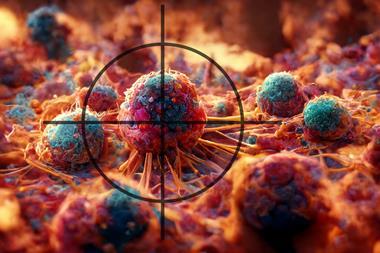
One of the biggest obstacles in cancer treatment is chemotherapy resistance, where tumour cells adapt and continue to survive despite repeated treatment
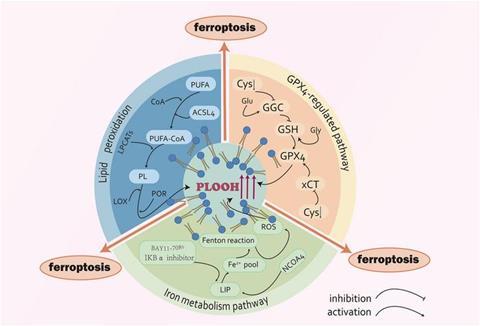
At the centre of the process are three key biological mechanisms: iron metabolism, lipid peroxidation and the GPX4-regulated pathway. Together, these systems generate lethal oxidative stress within cancer cells.
When activated effectively, they can overwhelm the protective defences tumours rely on to survive, resulting in controlled cancer cell death even when other treatment options have failed.
Complex tumour biology
Researchers say the complexity of tumour biology plays a major role in treatment resistance. Factors including tumour heterogeneity, metabolic alterations and the tumour microenvironment all contribute to the ability of cancer cells to evade therapy.
Interactions between cancer cells and surrounding tissues, including immune and stromal cells, can create protective conditions that reduce the effectiveness of standard treatments. However, scientists believe these same interactions may also influence how vulnerable tumours are to ferroptosis-based therapies.
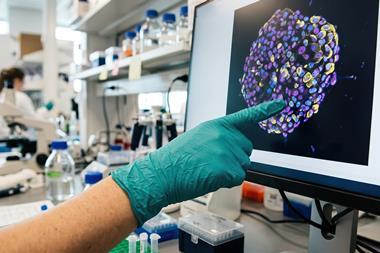
Researchers say the complexity of tumour biology plays a major role in treatment resistance
Emerging evidence suggests targeting ferroptosis could help reverse resistance in a number of aggressive digestive cancers.
In pancreatic ductal adenocarcinoma and hepatocellular carcinoma, activating ferroptosis pathways may restore sensitivity to treatment. Researchers are also seeing encouraging potential in colorectal and gastric cancers, where disrupting the molecular systems that protect against ferroptosis can weaken tumour survival mechanisms.
Combining therapies for better outcomes
Another promising area of research involves combining ferroptosis-based strategies with existing treatments such as targeted therapies and immunotherapy.
Scientists believe integrating multiple approaches could improve overall treatment effectiveness while reducing the risk of cancer relapse by attacking tumours through several pathways at the same time.
The increasing understanding of ferroptosis is now shaping expectations for the future of digestive cancer treatment. By directly addressing the challenge of therapy resistance, researchers hope the approach could lead to more durable and effective treatments for patients facing some of the deadliest forms of cancer.
The increasing understanding of ferroptosis is now shaping expectations for the future of digestive cancer treatment
Although further clinical research is needed, the growing focus on ferroptosis reflects a wider shift towards precision medicine and therapies that exploit the specific biological weaknesses of cancer cells.
Experts believe this evolving field may eventually transform treatment strategies for digestive cancers that have resisted conventional approaches until now.






No comments yet