


A new MIT strategy pairing targeted drug delivery with a circulating antidote has successfully treated bacterial pneumonia in mice without causing liver damage.
Researchers at the Massachusetts Institute of Technology (MIT) have developed a drug delivery strategy that could allow compounds previously considered too toxic for antibiotic use to be repurposed to treat bacterial infections.
The approach combines targeted drug delivery with a protective protein that neutralises any drug escaping into the bloodstream. Tests in mice demonstrated that the strategy could treat bacterial pneumonia while preventing signs of liver damage.
Published in Nature Communications, the study could help expand the pool of potential antibiotics at a time when antimicrobial resistance is reducing the effectiveness of existing treatments.
Many compounds identified through antimicrobial discovery programmes have been abandoned because they also damage human cells. Rather than ruling out these candidates, the MIT researchers investigated whether their toxicity could be controlled through a combination of targeted delivery and an accompanying antidote.
“The discovery pipeline is advancing at an extraordinary pace, but safety concerns can bring even the most promising programs to an immediate halt. This strategy could offer a chance to let really promising drugs keep going.”
Sangeeta Bhatia, Professor, MIT
Delivering drugs directly to infection sites
The researchers initially focused on calicheamicin, a naturally occurring compound that damages DNA and is used in cancer treatment. Although it has potent cell-killing activity, its toxicity has prevented its development as an antibiotic.
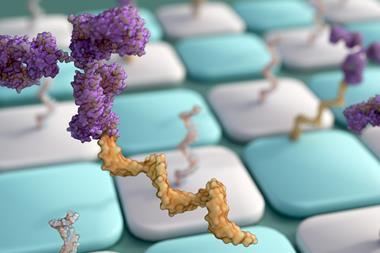
To restrict its effects to infected tissue, the team attached calicheamicin to an albumin-binding domain, a small protein that binds to albumin, which circulates through the bloodstream.
The drug was connected to this protein using a linker designed to be cleaved by neutrophil elastase, an enzyme produced by immune cells called neutrophils. As these cells accumulate at infection sites, the researchers designed the linker to release the drug where it was needed.
Although this modification allowed the drug to clear infections in mice while reducing liver toxicity, some damage remained. The team therefore developed a second component designed to neutralise any drug that escaped into circulation.
Adding an antidote to protect healthy tissue
To identify a suitable protective molecule, the researchers turned to Micromonospora echinospora, the bacterium from which calicheamicin was originally isolated. The organism naturally produces protective enzymes to defend itself against the compound.
The team selected one of these enzymes, CalU19, and engineered it to bind to albumin. This allowed it to circulate through the bloodstream, where it could intercept and neutralise calicheamicin that escaped the infection site.
“We thought that having this antidote stay in circulation would be a great way to intercept the drug before it gets to the liver,” said lead author Tahoura Samad. ”You have this ‘security guard’ waiting for any drug that escapes from the infection environment and it can soak up the drug before it can do damage.”
The researchers tested the combined drug and antidote in mice with pneumonia caused by Pseudomonas aeruginosa and Staphylococcus aureus. In both models, the treatment cleared the infections without signs of liver damage.
Laboratory tests also demonstrated activity against other bacterial species, including methicillin-resistant Staphylococcus aureus (MRSA), Escherichia coli and Klebsiella pneumoniae.
Expanding antibiotic development
The findings provide preclinical evidence that combining targeted delivery with a circulating antidote could help overcome toxicity barriers that have prevented potentially useful antimicrobial compounds from progressing.
The researchers are now investigating whether similar protective proteins could be developed for other compounds, including existing antibiotics associated with kidney or other organ damage. They also believe the approach could help reduce the side effects of some cancer treatments.
“We’re excited about how we can keep building out this approach where you can deliver a drug along with its antidote,” Samad said.
Although further research is needed before the strategy can be evaluated in people, it offers a potential route to revisiting antimicrobial candidates that have previously been excluded from development because of their toxicity.


No comments yet