



All Autoimmune disease articles
-
 News
NewsThree-signal method converts blood B cells into germinal centre-like cells
Researchers at the University of Osaka have developed a streamlined laboratory method that uses just three sequentially delivered signals to convert naive B cells from human blood into cells closely resembling germinal centre B cells.
-
 News
NewsIn vivo CAR T review charts path to off-the-shelf cellular therapy
A review from researchers at Naval Medical University and Shanghai Jiao Tong University examines how engineering CAR T cells directly inside the body could cut manufacturing complexity and expand patient access to cellular immunotherapy.
-
 Article
Turning CNS biomarkers into better drug development decisions
Why do promising CNS therapies struggle to translate into patients? Three experts explore how biomarkers can track therapeutic effects, improve patient selection and guide development decisions.
-
 News
NewsExperimental RNA drug reverses scleroderma signs in preclinical study
An experimental synthetic non-coding RNA drug has reversed signs of systemic sclerosis in patient-derived immune cells and mouse models, with researchers now preparing an IND application to the FDA.
-
 News
NewsWhat Oblenio’s Phase I trial means for autoimmune drug discovery
Oblenio Bio has dosed the first patients in a Phase 1a trial of LBL-051, a tri-specific T cell engager designed to simultaneously target CD19, BCMA and CD3 and eliminate both B cells and plasma cells in a bid to achieve durable immune reset in refractory autoimmune diseases.
-
 News
Newsbit.bio launches iPSC-derived cell culture media kits to democratise human cell research
Cambridge-based cell programming company bit.bio has introduced two new media kits for its iPSC-derived ioGlutamatergic Neurons and ioMicroglia, reducing media preparation costs by around 18-fold and simplifying workflows to widen access to human-relevant research models.
-
 Article
Antibody recycling, FcRn and the next generation of biologics
One receptor can protect antibodies from degradation, extend their half-life and become a drug target itself. Explore the science behind FcRn and how researchers measure its function.
-
 News
NewsPim1 kinase identified as therapeutic target for inflammatory arthritis
Researchers have identified Pim1 kinase as a critical driver of inflammatory arthritis through its regulation of Th17 cell differentiation via mitochondrial metabolism.
-
 News
NewsRAGE receptor identified as key driver of age-related metastasis
Georgetown Lombardi researchers have identified RAGE, an inflammatory receptor, as a key mediator of age-related breast cancer metastasis.
-
 News
NewsEngineered extracellular vesicles control immune responses
Researchers have engineered new extracellular vesicles that can selectively induce antigen-specific regulatory T cells, possibly leading towards safer, more precise treatments for autoimmune and allergic diseases.
-
 Article
RNA that lasts longer and lands exactly where it should
RNA therapies are moving past burst-and-fade limits. New advances in circular RNA and targeted delivery could transform how we treat autoimmune disease, infections and beyond.
-
 News
NewsPlatelet-inspired nanoparticles could improve treatment of inflammatory diseases
Scientists have developed platelet-inspired nanoparticles that deliver anti-inflammatory drugs directly to brain-computer interface implants, doubling their effectiveness.
-
 News
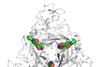
NewsBlocking the P2X4 receptor: a potential pathway to new therapies
Researchers have discovered how to inhibit the P2X4 receptor, a key protein linked to chronic pain, inflammation and certain cancers.
-
 Article
Mapping the genome in 3D to reveal new drug targets
Find out how a three-dimensional view of the genome is giving scientists a clearer picture of disease biology and revealing new opportunities for targeted therapies.
-
 News
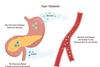
NewsBlood stem cell and islet cell transplant combo reverses Type 1 diabetes
Stanford researchers have cured Type 1 diabetes in mice using a combination of blood stem cell and pancreatic islet cell transplants.
-
 Article
AI and policy reform set to reshape UK drug development
BCG’s Chris Meier outlines how advances in AI and new UK policies could accelerate drug development, streamline clinical trials and strengthen the country’s life sciences sector.
-
 Article
Fighting MS progression: why GPR17 is the target to watch
Despite major advances in multiple sclerosis treatment, stopping disease progression has remained out of reach. Targeting the receptor GPR17 may harness the brain’s own repair system, offering the prospect of genuine remyelination and lasting benefit for patients.
-
 Article
Inside Zasocitinib: a new model for TYK2 inhibition in immune-mediated diseases
Zasocitinib is a highly selective, investigational TYK2 inhibitor developed to target immune-mediated diseases with fewer off-target effects than traditional JAK inhibitors. This article explores its mechanism, selectivity data and clinical progress.
-
 News
NewsFibroblast mapping reveals potential universal drug targets
Scientists have mapped the diversity of fibroblasts and discovered how ‘rogue’ fibroblasts drive multiple diseases, revealing drug targets that could transform treatments across the body.
-
 News
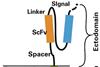
NewsAnti-linker antibodies: a universal key for CAR-T detection
Every new CAR-T needs a new detection tool – until now. Anti-linker antibodies could change how researchers develop and track these therapies.