



Researchers have discovered how mitochondrial stress drives T cell exhaustion and a potential way to restore their cancer-fighting function.
Researchers at the University of Lausanne have identified a key molecular mechanism that explains why cancer-fighting T cells become exhausted in tumours and how this process could be reversed. The discovery could potentially improve adoptive cell therapies such as CAR T.
For years, mitochondrial dysfunction has been a cornerstone of exhausted T cells but exactly how metabolic stress leads to permanent transcriptional changes was unknown. This new study demonstrates a decisive molecular bridge linking mitochondrial stress to long lasting T cell dysfunction.
How T cells lose their energy
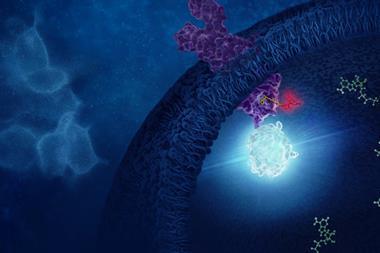
When mitochondria in CD8⁺ T cells become depolarised, the cells increase proteasome activity, a process that selectively degrades mitochondrial haemoproteins. This releases excess regulatory haem, which does not remain a byproduct but instead acts as a signalling molecule.
Haem translocates to the nucleus, where it binds and destabilises the transcription factor Bach2.
Haem translocates to the nucleus, where it binds and destabilises the transcription factor Bach2. This relieves repression of Blimp1, a master regulator of terminal exhaustion, locking T cells into a dysfunctional state and eroding their stem-like potential.
Mechanistically, the researchers identified CBLB as a driver of mitochondrial protein ubiquitination and PGRMC2 as a chaperone that enables nuclear haem transport.
A metabolic switch offers a treatment path
“This pathway explains how energy failure becomes immune failure,” said Professor Ping-Chih Ho, senior author of the study. “We uncovered a metabolic signalling switch that converts mitochondrial stress into a permanent transcriptional decision.”
Importantly, the research shows that this axis is actionable. Transient low-dose bortezomib treatment during CAR T cell manufacturing dampens proteasome-driven haem signalling, reduces exhaustion-associated programmes and promotes durable epigenetic reprogramming towards a memory-like state.
Discovering that regulatory haem acts as the signalling mediator was unexpected and it gives us a tangible way to intervene.
“Our last paper identified mitochondrial damage as the cause of T cell failure and this one reveals the molecular switch behind it and how to turn exhaustion off. For a long time, mitochondrial dysfunction was an observation without a clear mechanistic explanation,” said Y Xu, first author of the study. “Discovering that regulatory haem acts as the signalling mediator was unexpected and it gives us a tangible way to intervene.”
Data from patients with B-ALL reinforce the clinical significance of the findings. CAR T cells exhibiting high proteasome activity were associated with poorer therapeutic outcomes, highlighting the potential impact of targeting this pathway to improve treatment durability.
Redefining T cell exhaustion
The study reframes T cell exhaustion not merely because of chronic antigen stimulation but as the result of a dysregulated metabolic signalling circuit. By identifying a proteasome-guided haem pathway that dictates immune cell fate, the research opens new areas of study for optimising adoptive cellular immunotherapy, particularly CAR T approaches where long-term persistence is still a clinical challenge.
The findings may also help scientists design interventions to maintain T cell function, improve anti-tumour responses and ultimately enhance patient outcomes in a range of cancers.






No comments yet