



All T Cells articles – Page 3
-
 Article
Why most T-cell engagers fail - and how to fix it
Bispecific T-cell engagers are advancing fast - but complexity still slows development. This article explores how data-driven, platform-based strategies are helping overcome design and manufacturing hurdles to bring these next-gen therapies to patients faster.
-
 News
NewsFuelling immunity: glucose helps T cells fight cancer better
A new study from the Van Andel Institute shows that glucose not only fuels T cells but also strengthens their internal signalling and cancer-fighting capabilities –offering a potential route to improved immunotherapies.
-
 News
NewsSmart nanogels help CAR-T cells penetrate tumours
Researchers in China have developed a next-generation CAR-T cell therapy armed with nanogels that can penetrate the dense barriers of solid tumours. This addresses a major limitation in the treatment of solid cancers with immunotherapy.
-
 News
NewsAutoimmune breakthrough: Egr-1 regulates treg cells in diseases like MS
Scientists have found a key mechanism driving immune regulation in autoimmune diseases like MS and IBD – which could lead to new targeted treatments.
-
 Article
Optimising T-cell expansion to improve early-stage cell therapy
In the evolving landscape of cell and gene therapy, early-stage manufacturing remains a major hurdle. In this interview, Maria Knaub at Terumo Blood and Cell Technologies shares how a strategic collaboration with FUJIFILM Biosciences is streamlining T-cell expansion workflows.
-
 News
NewsDual CAR-T cell therapy targets T-ALL with precision
A new dual CAR-T cell therapy targeting two tumour-specific proteins in T-cell Acute Lymphoblastic Leukaemia (T-ALL) has been developed – meaning effective treatment for this aggressive blood cancer could soon become a reality.
-
 News
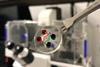
NewsLeukaemia-on-a-chip mimics bone marrow for better CAR T testing
A new “leukaemia-on-a-chip” device replicates human bone marrow and immune interactions, enabling researchers to observe CAR T cell therapies in action - potentially allowing for more personalised treatment strategies for leukaemia patients.
-
 News
NewsProgramming immunity from within: in-body generation of CAR T cells
Researchers have developed a new method to generate CAR T cells directly inside the body using targeted lipid nanoparticles that deliver mRNA to T cells - offering a safer, faster and more accessible alternative to traditional cell therapies for cancer and autoimmune diseases.
-
 Article
Inside AACR: DARPins take aim at hard-to-treat tumours
Amelie Croset of Molecular Partners breaks down the DARPin developments featured at AACR 2025 – from targeted radiopharmaceuticals to precision-engineered immune cell engagers.
-
 News
NewsBCG alters bone marrow to strengthen anti-cancer response
A new study reveals that BCG, a decades-old bladder cancer treatment, reprograms the immune system at the bone marrow level, offering a new perspective into how this immunotherapy boosts the body’s defence against cancer.
-
 News
NewsHerpes virus protein boosts T cell power against cancer
Researchers at the University of Michigan have engineered a herpes virus protein to enhance T cell survival and function, offering a new strategy to strengthen cancer immunotherapy.
-
 Article
Synthetic promoters enhance gene therapy precision
Discover how Chromatin Bioscience’s synthetic promoters are transforming gene therapy by enhancing precision, boosting safety and improving manufacturing efficiency.
-
 Whitepaper
Guide: Create DNA Template for In Vitro mRNA Synthesis
Learn how to simplify the entire DNA template generation workflow, streamlining mRNA therapeutic research.
-
 News
NewsNew study identifies key immune cells that prevent food allergies
A specialised group of immune cells in the gut has been found to prevent allergic reactions - a discovery that could lead to new treatments for allergies and autoimmune diseases.
-
 Article
Pioneering cellular therapies for age-related diseases
Discover how Immorta Bio's cellular therapies are addressing cancer and liver failure, with the potential to transform healthcare.
-
 Article
Gylden’s gold platform trains T cells to kill viruses
What if vaccines could train your immune system to eliminate infections at the source? Find out how Gylden Pharma’s gold nanoparticle platform delivers targeted T cell immunity - providing a precise and durable defence against complex infectious diseases.
-
 Webinar
Advancing ADC Development: End-to-End Solutions from Design to Characterization
Dr. Francisca Neethling from Eurofins Discovery explores the comprehensive process of ADC development, covering payload linker design, optimization, and the bioanalytical and functional characterization of ADC molecules.
-
 Article
Hope for ALS and inflammatory diseases: Cellenkos' CRANE technology breakthrough
Cellenkos' CRANE technology, led by Dr Simrit Parmar, harnesses regulatory T cells to precisely target and treat inflammatory diseases. This innovative approach offers hope for conditions like aplastic anaemia, myelofibrosis, and ALS.
-
 Article
Cilta-cel: A new era in multiple myeloma treatment
New cell therapy, Cilta-cel, shows promise in the treatment of multiple myeloma, providing a personalised approach with the potential for long-term remission.
-
 News
NewsNew research shows way to bypass immunotherapy resistance
A study from the University of Alabama at Birmingham reveals that HIF1α plays a crucial role in enabling T cells to kill tumour cells under low-oxygen conditions, providing a potential solution to resistance in immune checkpoint blockade (ICB) therapies.