A new study reveals that TIGIT, a key immune checkpoint targeted by cancer drugs, behaves differently in rhesus macaques and humans, suggesting current animal tests may be misleading drug development.
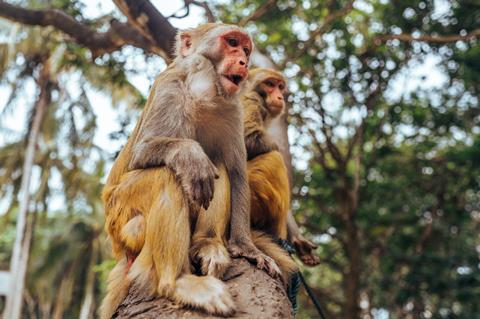
The UC Davis Comprehensive Cancer Center has announced that TIGIT, an immune checkpoint receptor targeted by cancer immunotherapy drugs, behaves differently in rhesus macaques compared with humans.
The findings could have significant implications for the development of therapies targeting TIGIT, which are designed to help the immune system fight cancer more effectively.
TIGIT acts as a brake on the immune system
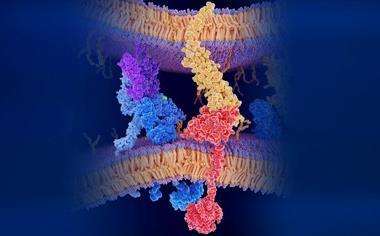
TIGIT, or T cell immunoreceptor with Ig and ITIM domains, functions like a brake on the immune system. It is present on certain immune cells, including T cells and natural killer (NK) cells, and prevents them from attacking too aggressively. Cancer cells exploit this ‘brake’ to protect themselves from immune attacks.
Cancer immunotherapy drugs are now developed to block TIGIT so the immune system can fight tumours more effectively. However, multiple anti-TIGIT antibodies have failed in Phase III trials for solid tumours. This has prompted questions from the scientific community about the underlying mechanisms.
Rhesus macaques shed TIGIT from immune cells
The new research shows that rhesus macaques – but not humans – shed TIGIT from immune cell surfaces when exposed to plasmin, a natural enzyme involved in blood clot breakdown. Plasmin is highly upregulated in nearly all solid cancers.
The new research shows that rhesus macaques – but not humans – shed TIGIT from immune cell surfaces when exposed to plasmin, a natural enzyme involved in blood clot breakdown.
This shedding produces a soluble form of TIGIT that can still bind to anti-TIGIT monoclonal antibodies, such as tiragolumab, an investigational cancer therapy. As a result, in macaques, antibodies may be absorbed by the free-floating TIGIT rather than blocking immune suppression on tumour-fighting cells.
“Currently, preclinical safety and dose estimation studies for cancer immunotherapy drugs targeting TIGIT are done in macaques,” said Jogender Tushir-Singh, an associate professor in the Department of Medical Microbiology and Immunology and senior author of the study. “We know from our study of macaque response that the dilution of the drug away from T-cells is a problem. Tests in macaques will not predict proper safety and dose estimation data for human clinical trials. it seems like TIGIT biology and mechanism are much more complex than expected.”
Single amino acid difference makes TIGIT vulnerable
The researchers examined TIGIT proteins from humans and monkeys, producing laboratory versions to see how they reacted to plasmin. They discovered that a single amino acid difference at position 119 in the monkey protein makes TIGIT more susceptible to cleavage.
When plasmin was added to human and monkey immune cells, only monkey cells shed TIGIT from their surfaces. Further tests confirmed that the shed TIGIT in monkeys could still bind to cancer drugs.
Implications for cancer drug development
These findings suggest that testing TIGIT-targeted therapies in macaques may yield misleading data on safety and efficacy, potentially explaining the underperformance of some therapies in late-stage trials.
These findings suggest that testing TIGIT-targeted therapies in macaques may yield misleading data on safety and efficacy.
“The study underscores the need for improved models that better reflect human biology when developing next-generation immunotherapies,” Tushir-Singh said.
This study reiterates the importance of carefully considering species differences in preclinical studies, particularly for drugs targeting immune checkpoints like TIGIT, and may guide the development of more effective cancer treatments in the future.


Topics
- Analytical Techniques
- Cancer
- Cancer
- Dr Jogender Tushir-Singh (associate professor in the Department of Medical Microbiology and Immunology at UC Davis Comprehensive Cancer Center)
- Drug Development
- Drug Discovery
- Drug Discovery Processes
- Drug Targets
- Enzymes
- Immuno-oncology
- Immuno-oncology
- immunotherapy
- In Vivo Testing
- Molecular Biology
- Monoclonal Antibodies
- Oncology
- Research and development
- T Cells
- Translational Science
- UC Davis Comprehensive Cancer Center