

All Immuno-oncology articles
-
 News
New culture system yields billions of rare dendritic cells for preclinical research
A new 23-day bone marrow culture protocol produces over 1.5 billion conventional type 1 dendritic cells from a single mouse, offering researchers a consistent, high-purity supply of a cell type critical to tumour immunology and vaccine development.
-
 News
YAP/TAZ protein hyperactivity linked to immune evasion via PD-L2 upregulation
Researchers have identified a mechanism by which overactive YAP and TAZ proteins may simultaneously increase cancer cell visibility to the immune system and shield tumours from T-cell attack.
-
 News
p53 activation boosts T-cell potency against solid tumours
UCLA researchers have shown that transiently activating the tumour suppressor protein p53 using an investigational MDM2 inhibitor can reduce exhaustion in engineered T cells and significantly improve their ability to kill melanoma cells in vitro.
-
 News
Bispecific antibody targets regulatory T cells to enhance tumour immunity
A bispecific antibody targeting CCR8 and CD3 has demonstrated the ability to deplete immunosuppressive regulatory T cells and slow tumour growth across multiple cancer models.
-
 Article
Targeting SRC-3 to reprogramme regulatory T cells in cancer
Could targeting SRC-3 in regulatory T cells help overcome tumour immunosuppression? Researchers explain how this approach could restore anti-tumour immunity and what remains to be proven in patients.
-
 News
Vaccine adjuvant AS01 shown to induce trained immunity in monocytes
A preclinical study published in Myeloid Cells reports that AS01, a vaccine adjuvant system, can induce trained immunity in human monocytes and reduce tumour growth in selected mouse cancer models.
-
 Webinar
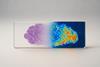
Spatial proteomics in FFPE tumour tissue: an end-to-end workflow from prostate cancer research
Follow a complete high-plex spatial proteomics workflow on archival FFPE tumour tissue, from marker-panel design to cell phenotyping, with a prostate cancer case study from the University of Surrey.
-
 Webinar
What it really takes to turn cancer discoveries into new therapies
Five leading cancer researchers from across genomics, proteomics, cell biology, chemical biology and gene therapy dig into what’s driving cancer drug discovery forward and what’s still holding progress back.
-
 News
IL-17 identified as potential immunotherapy biomarker in ovarian cancer
A new study has identified IL-17 as a potential biomarker for immunotherapy response in a small subset of clear cell ovarian cancer cases, offering a possible route to personalised treatment for a disease historically resistant to immune-based therapies.
-
 News
Exhausted T cells escape tumours to drive lasting cancer immunity
A preclinical study has identified a subset of exhausted, LAG3-expressing T cells capable of migrating out of tumours to establish long-term immune memory, with potential implications for LAG3-targeting cancer immunotherapies.
-
 Webinar
Meeting ethical & regulatory requirements when using human biological specimens
Whether you source, purchase or work with human biospecimens, understanding today’s ethical and regulatory expectations is essential. Join this webinar to explore informed consent, privacy and the principles that support responsible research.
-
 Article
Synthetic iMSCs: reprogramming ovarian cancer from the inside out
Ovarian cancer has long proved difficult to treat. Could the answer lie within the disease itself? Discover how synthetic iMSCs could reprogramme the tumour microenvironment and restore anti-tumour immunity.
-
 News
Membrane lipid composition directly regulates EGFR activity in cells
MIT researchers have demonstrated that cell membrane composition directly influences EGFR activity, with elevated negatively charged lipids locking the receptor into a growth-promoting state.
-
 News
New imaging reveals how immune cells destroy cancer
Cryo-expansion microscopy has enabled researchers to visualise the three-dimensional organisation of cytotoxic T lymphocytes destroying cancer cells in their near-native state, revealing nanoscale structural details of the immune synapse and cytotoxic granules that could refine immuno-oncology therapeutic strategies.
-
 News
New immune mapping reveals lung tumour microenvironment dynamics
VIB-VUB researchers have developed a patient-relevant lung adenocarcinoma model combined with SEPARATE-Seq technology to create detailed immune maps distinguishing tissue-infiltrating cells from circulating populations.
-
 Webinar
From expert task to lab routine – Membrane protein purification and analysis simplified
A new way to tackle the most challenging drug targets: Discover a fully automated, detergent-free purification workflow that isolates membrane proteins in their native 3D structure in as little as three hours and with minimal hands-on time. Learn how to perform subsequent digital miniaturisation and qPCR-based stability analysis with compact solutions that integrate seamlessly into your lab, on demand!
-
 Article
Anticipating adaptation: understanding and overcoming cancer drug resistance
Neil Bhowmick explores how understanding the mechanisms of cancer drug resistance has reframed our approach to treatment, revealing containment and control as realistic goals for therapeutic strategies.
-
 Article
KMA and LMA antigens emerge as high value targets for plasma cell dyscrasia treatment
Research published in Clinical Lymphoma, Myeloma and Leukemia identifies Kappa Myeloma Antigen and Lambda Myeloma Antigen as highly selective immunotherapy targets across plasma cell dyscrasias.
-
 Webinar
What it takes to automate high-content imaging at scale
This webinar examines the design trade-offs and technical constraints involved in building a high-throughput robotic imaging pipeline for complex biological workflows.
-
 News
New AI-designed T-cell engager LGTX-101 to be presented at AACR in San Diego
LabGenius Therapeutics will present preclinical data for LGTX-101, its AI-designed Nectin-4 x CD3 T-cell engager, at AACR 2026 in San Diego.