



All Immuno-oncology articles – Page 3
-
 Article
How to select the optimal bispecific antibody format for therapeutic success
Choosing the right bispecific antibody format can make or break your therapy’s success. This article explores how format impacts function, manufacturability and development strategy - helping you make the best choice from the start.
-
 Article
Challenges in developing robust potency assays for ADCs
Developing robust potency assays for Antibody-Drug Conjugates (ADCs) is crucial for ensuring their clinical success, but designing assays that meet both technical and regulatory standards is challenging. Here, Abzena’s CSO Campbell Bunce explores the complexities of assay development and the importance of ensuring accuracy, consistency and regulatory alignment for ADCs ...
-
 Article
Why most T-cell engagers fail - and how to fix it
Bispecific T-cell engagers are advancing fast - but complexity still slows development. This article explores how data-driven, platform-based strategies are helping overcome design and manufacturing hurdles to bring these next-gen therapies to patients faster.
-
 News
NewsNew lipid nanoparticle boosts mRNA delivery fivefold in cancer study
Japanese researchers have engineered a new lipid nanoparticle that delivers mRNA to cells five times more effectively, resulting in stronger immune responses and tumour suppression in mice.
-
 News
NewsDeep-sea sugar EPS3.9 sparks immune attack on tumours
Scientists have isolated a sugar molecule from deep-sea bacteria that triggers pyroptosis - a form of inflammatory cell death - to halt tumour growth - highlighting the potential of marine microbes in drug development.
-
 Article
Designing antibodies to think before they bind
Standard antibody therapies bind their target and trigger a response. But what if the real breakthrough is designing antibodies that first recognise context before they act? This article looks at how bispecifics are becoming smarter, more selective and more precise.
-
 Article
Outsmarting immune suppression through GPCR innovation
Immune resistance is one of cancer’s toughest tricks. By rethinking how we target GPCRs, scientists may finally have a way to modulate it with precision.
-
 Article
NGS is evolving: collaboration and tech lead the way
Next-generation sequencing (NGS) is advancing fast – and it’s not happening in isolation. Strategic partnerships and automation are streamlining workflows and reshaping what's possible in genomics research.
-
 Article
How dual-targeting ADCs aim to tackle resistance
Find out how dual-target ADCs and tumour-specific Treg depletion are shaping the next wave of targeted cancer therapies.
-
 News
NewsBCG alters bone marrow to strengthen anti-cancer response
A new study reveals that BCG, a decades-old bladder cancer treatment, reprograms the immune system at the bone marrow level, offering a new perspective into how this immunotherapy boosts the body’s defence against cancer.
-
 News
NewsWhy ATP signalling might change melanoma for good
A new study from Central South University reveals how adenosine phosphate signalling shapes the tumour microenvironment in melanoma, offering a new biomarker for guiding personalised cancer treatment.
-
 Article
POLB 001: tackling cytokine storms before they start
Cytokine release syndrome (CRS) is a major barrier in cancer immunotherapy - but what if we could prevent it before it begins? Dr Liam Tremble, Principal Scientist at Poolbeg Pharma, discusses how POLB 001, an oral anti-inflammatory candidate, could offer a new way forward.
-
 Article
Optimising analytical strategies for ADC development
Antibody-drug conjugates (ADCs) are transforming cancer therapy by enabling targeted drug delivery with minimised side effects, but their complex structure presents unique challenges in bioanalysis.
-
 News
NewsScientists develop immunotherapy to disarm fat-fuelled tumours
A new study reveals how tumours hijack fat metabolism to suppress immune responses - and how a novel antibody, PLT012, may reverse this effect, offering new hope for treating immunotherapy-resistant cancers.
-
 Article
AI in drug discovery: faster, smarter, better
Claudia Zylberberg, Chair of Kosten Digital, reveals how AI is revolutionising cell and gene therapy, making drug discovery faster and more cost-effective.
-
 Article
Next-gen ADCs: Tubulis sets new standard in cancer treatment
Tubulis, led by CEO Dominik Schumacher, is advancing cancer treatment through next-generation antibody-drug conjugates (ADCs) designed to target solid tumours more effectively. Find out how the company is rapidly progressing its ADC pipeline to offer more precise and lasting treatment options for patients.
-
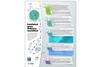 Whitepaper
Poster: Lentiviral Gene Delivery Workflow
Use this lentiviral gene delivery workflow poster to understand how to optimize your workflow for successful viral transduction.
-
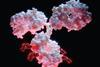 Webinar
Advancing ADC Development: End-to-End Solutions from Design to Characterization
Dr. Francisca Neethling from Eurofins Discovery explores the comprehensive process of ADC development, covering payload linker design, optimization, and the bioanalytical and functional characterization of ADC molecules.
-
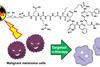 News
NewsNovel radioactive drug targets aggressive metastatic melanoma
Scientists in Japan have developed a new radioactive drug that emits alpha particles, showing promise for targeting metastatic melanoma - an aggressive skin cancer resistant to many conventional treatments.
-
 News
NewsNew research offers hope for high-grade glioma treatment
High-grade glioma, an aggressive brain cancer affecting both paediatric and adult patients, remains difficult to treat. A collaborative study from the University of Michigan, Dana-Farber Cancer Institute, and the Medical University of Vienna reveals a promising new treatment approach.