A landmark study reveals that KMA and LMA selectively identify malignant plasma cells while sparing normal antibody-producing cells, addressing key efficacy and safety gaps in myeloma, AL amyloidosis and post BCMA relapse.
HaemaLogiX Ltd has announced the publication of groundbreaking research in Clinical Lymphoma, Myeloma and Leukemia identifying two novel antigens – Kappa Myeloma Antigen (KMA) and Lambda Myeloma Antigen (LMA) – as highly promising immunotherapy targets across the full spectrum of plasma cell dyscrasias (PCDs).
The research, led by Professor David Gottlieb and Dr Mary Sartor at the Westmead Institute for Medical Research, Sydney, Australia, in collaboration with HaemaLogiX, represents a potential paradigm shift in how the field approaches treatment of multiple myeloma, AL amyloidosis and related disorders.
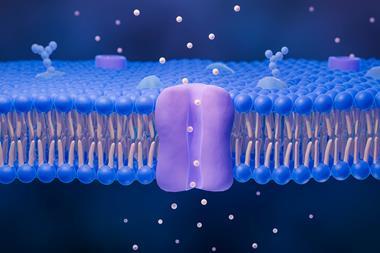
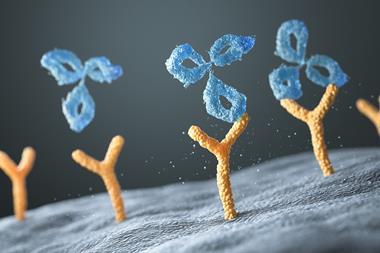
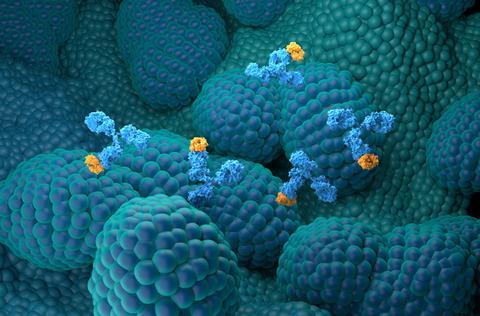
HaemaLogiX has previously described KMA and LMA as two novel lipid-associated cell-surface antigens and has developed human monoclonal antibodies to KMA (KappaMab™) and to LMA (LambdaMab™). These therapeutic antibodies have been specifically selected to bind to conformational epitopes associated with the constant regions of free kappa and lambda light chains in association with membrane lipid rafts – they do not bind to immunoglobulins.
Broad and selective expression across plasma cell dyscrasias
The study analysed 195 bone marrow samples from 178 patients across the full disease spectrum: including 114 multiple myeloma (MM), 39 monoclonal gammopathy of undetermined significance (MGUS), 13 plasmacytoma, nine smouldering multiple myeloma (SMM) and 20 AL amyloidosis cases.
The findings demonstrated remarkable consistency: KMA was expressed in 72 percent of kappa-restricted samples (87 of 121) across all disease types, with particularly high expression in SMM (83 percent), plasmacytoma (80 percent) and AL amyloidosis (83 percent). LMA showed even broader expression at 76 percent (56 of 74 lambda-restricted samples), reaching 93 percent in AL amyloidosis patients.
Critically, immunohistochemistry studies confirmed that LMA expression in normal tissues was restricted to occasional mononuclear cells in mucosal-associated lymphoid tissue (MALT), gut-associated lymphoid tissue (GALT) and bronchus-associated lymphoid tissue (BALT) – with no expression detected in normal bone marrow or blood, including normal plasma cells. This tissue distribution mirrors earlier findings with KMA, confirming the highly restricted ‘on-tumour’ expression pattern.
Superior antigen density and disease evolution
Beyond expression frequency, antigen density holds extreme importance for immunotherapy efficacy. Higher target density typically correlates with more potent tumour cell killing. When all PCDs were analysed collectively, both KMA and LMA demonstrated statistically significant higher density than B cell maturation antigen (BCMA) (p=0.02 for both).
A two-year longitudinal analysis of two patients showed that LMA expression and density increased substantially during disease progression from MGUS to SMM to active myeloma, with LMA density exceeding BCMA at the time of progression. This suggests that KMA/LMA-expressing clones may have a selective advantage during disease evolution – potentially making these targets increasingly relevant as patients progress through multiple treatment lines.
Game-changing implications for AL amyloidosis
Clinically significant findings emerged in AL amyloidosis, a devastating disease that is predominantly lambda isotype-restricted and where misfolded light chains deposit in organs, causing progressive organ failure. AL amyloidosis has proven particularly challenging to treat and current therapies are limited.
In this study, LMA demonstrated 93 percent expression in AL amyloidosis samples compared to only 71 percent for BCMA.
In this study, LMA demonstrated 93 percent expression in AL amyloidosis samples compared to only 71 percent for BCMA. Still more striking, four AL amyloidosis cases expressed LMA without any BCMA expression, including three cases of multiple myeloma with concurrent AL amyloidosis. This finding suggests that LMA-directed therapies could address a critical gap in treatment options for patients who either do not express BCMA or have BCMA-low disease.
The antigen density findings were equally compelling: median LMA density in lambda AL amyloidosis and KMA density in kappa AL amyloidosis were far greater than BCMA.
The therapeutic selectivity advantage
The most compelling differentiator of KMA and LMA compared to current immunotherapy targets lies in their exquisite selectivity. BCMA-directed CAR-T cells and bispecific antibodies have revolutionised myeloma treatment; however, they come with significant on-target / off-tumour side effects resulting in depletion of all BCMA-expressing cells, including normal plasma cells responsible for producing protective antibodies. This broad B-cell depletion results in severe, prolonged hypogammaglobulinaemia and high rates of opportunistic infections, including COVID-19, which have been directly linked to BCMA-directed therapies.
Similarly, newer targets like GPRC5D and FCRH5, while showing efficacy, are associated with challenging toxicities including dermatologic reactions, nail changes and taste alterations, alongside the same infection risk from normal B-cell depletion.
Similarly, newer targets like GPRC5D and FCRH5, while showing efficacy, are associated with challenging toxicities including dermatologic reactions, nail changes and taste alterations, alongside the same infection risk from normal B-cell depletion.
KMA and LMA offer an elegant solution to this problem because plasma cells are either kappa- or lambda light chain-restricted – targeting KMA eliminates only kappa-expressing malignant cells while preserving all lambda-expressing normal plasma cells and vice versa for LMA. This approach could fundamentally change the risk–benefit calculus by maintaining normal immunoglobulin production, potentially reducing infection rates and preserving vaccine responsiveness – critical considerations for long-term disease control.
Addressing the post-BCMA treatment landscape
With BCMA-directed CAR-T cells now approved and widely used, the field faces a looming challenge: what to do when patients relapse after BCMA therapy. In the pivotal CARTITUDE-1 study with Johnson & Johnson’s Carvykti (ciltacabtagene autoleucel), fewer than half of patients remained progression-free at three years, meaning the majority will eventually need subsequent therapy.
The CLML study identified 10 samples (5 percent overall) that expressed KMA or LMA without BCMA expression – seven lambda and three kappa cases spanning MGUS, MM and amyloidosis. This finding suggests that KMA and LMA could provide therapeutic options for patients with BCMA-negative or BCMA-low disease, whether arising de novo or following BCMA-directed therapy.
De-risked clinical development path
Unlike many novel targets, KMA has already been validated clinically through multiple studies with KappaMab, a monoclonal antibody targeting KMA. A Phase IIb study combining KappaMab with lenalidomide and dexamethasone in relapsed/refractory myeloma demonstrated an overall response rate of 83 percent versus 45 percent with lenalidomide and dexamethasone alone in matched controls.
Critically, across three clinical studies, KappaMab showed no haematological toxicities and no on-target / off-tumour side effects – a stark contrast to the toxicity profiles of BCMA, GPRC5D and FCRH5-directed therapies. This safety profile validates the biological hypothesis that selective targeting of one light-chain isotype preserves normal immune function.
Implications for next-generation immunotherapies
The broad expression, high antigen density, selective tissue distribution and validated safety profile positions KMA and LMA as attractive targets for next-generation immunotherapy platforms, including:
- Monoclonal antibodies (already clinical stage for KMA)
- Bispecific T-cell engagers
- CAR T-cell therapies (Phase I targeting KMA in preparation)
- Antibody–drug conjugates.
Commercial and investment implications
As the myeloma treatment landscape becomes increasingly crowded with BCMA-directed therapies and safety concerns mount around infection rates and specialised toxicities with newer targets, KMA and LMA represent a differentiated approach with potential best-in-class characteristics:
- Addresses a ~$27 billion global multiple myeloma market
- Provides options for post-BCMA relapse (growing patient population) – de-risked through existing clinical safety data
- Potential for use in earlier lines of therapy due to favourable safety profile
- Targets the underserved AL amyloidosis indication (~30,000-45,000 cases globally)
- Intellectual property coverage through novel antibodies and targets.
The publication of this comprehensive dataset across 195 patients and multiple disease states provides the scientific foundation for expanded clinical development. With BCMA-directed therapies facing increasing scrutiny over infection rates and durability of response, the field is actively seeking next-generation targets that can deliver efficacy without compromising quality of life and long-term immune function.
About the author
 Dr Rosanne Dunn is Executive Director and Chief Scientific Officer at HaemaLogiX. As a co-founder of the company she has been a director since its incorporation. Rosanne has more than 20 years of experience in the fields of immunology, haematology, translational medicine and drug development. She was involved in the discovery of the company’s lead therapeutic antibody KappaMab™ and in taking the antibody from the laboratory through to preclinical and clinical development. Rosanne was also involved in the design of the KMCAR™-T construct and heads the HaemaLogiX team in the preclinical development, translational studies and clinical development programme. She is also responsible for the preclinical and translational studies of HaemaLogix’s LambdaMab™ antibodies, LMCAR™-T cell and bispecific antibody development. Rosanne is an inventor on the company’s patents and was awarded a PhD in antibody engineering from the University of Technology, Sydney. She holds a BSc (Hons), MSc (Medical Science), PhD and is a graduate of the Australian Institute of Company Directors (GAICD).