


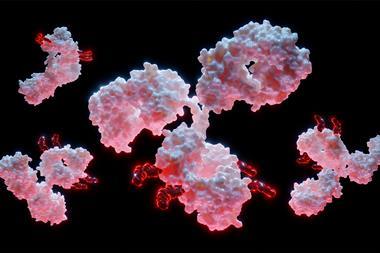
Researchers have developed a bispecific antibody, CCR8×CD3 TCB, that simultaneously depletes tumour-infiltrating regulatory T cells and activates effector T cells, showing preclinical efficacy across several cancers models.

A novel antibody therapy has strengthened the immune system’s ability to fight cancer in mice by targeting immune-suppressing cells more precisely than previous approaches, according to new research.
The treatment, developed by Baomei Wang and colleagues at Genentech, targeted regulatory T cells while also activating other T cells, slowing the growth of breast, lung and colon tumours in mice and enhanced the effects of an existing type of cancer immunotherapy.
The antibody was also well-tolerated in non-human primates, suggesting it could have potential for further development as a cancer treatment.
Targeting immune-suppressing cells
Cancer immunotherapy aims to use the bodies immune system to recognise and destroy cancer cells. However, its effectiveness is often restricted by the tumour microenvironment, the complex network of cells and molecules surrounding a tumour.
This environment can contain regulatory T cells, which normally help prevent excessive immune responses but can also suppress the immune system’s ability to attack cancer.
Researchers are investigating ways to remove these cells by targeting proteins such as CCR8, which is found on the surface of regulatory T cells.
However, many existing approaches focus on targeting a single protein. Wang and his colleagues developed a bispecific antibody designed to engage two different receptors, potentially offering a more powerful way to counter immune suppression while stimulating other immune cells.
Activating multiple immune responses
The antibody, known as CCR8×CD3 TCB, targets CCR8 on regulatory T cells and CD3, a receptor found on a broad range of T cells.
This dual-targeting approach is designed to deplete immune-suppressing regulatory T cells while activating other T cell populations that can contribute to an anti-tumour response.
In their experiments using human tumour samples, the antibody depleted CCR8-bearing regulatory T cells, indicating that it could also target these cells in human cancers.
The researchers also tested the treatment in mice with breast, lung and colon tumours. Across these models, the antibody restrained tumour growth, demonstrating activity against several cancer types.
Furthermore, combining the antibody with anti-PD-L1 checkpoint blockade antibodies improved the effectiveness of the immunotherapy. As checkpoint inhibitors work by blocking signals that cancer cells use to restrain immune activity, this helped T cells mount an attack against tumours.
The researchers also assessed the antibody in macaques, which was well-tolerated and depleted circulating CCR8-bearing regulatory T cells in the blood.
Alltogether, the Genentech team’s findings suggest that combining the two approaches could help address multiple mechanisms of immune suppression within the tumour microenvironment.
Safety and future potential
The findings provide early evidence of biological activity and tolerability beyond mouse models. However, further research will be needed to establish the treatment’s safety and effectiveness in people.
As demand grows for cancer immunotherapies that both overcome immune suppression and stimulate tumour-fighting cells, this study demonsrates the potential of approaches that can enhance the immune system’s ability to attack cancer.







No comments yet