

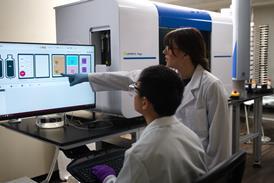

Speaking to Drug Target Review at ELRIG Drug Discovery 2026, Dr Shi-qi An of Novogene Europe explains how multiomics and spatial technologies can identify therapeutic vulnerabilities, strengthen target validation and reveal mechanisms of drug resistance.
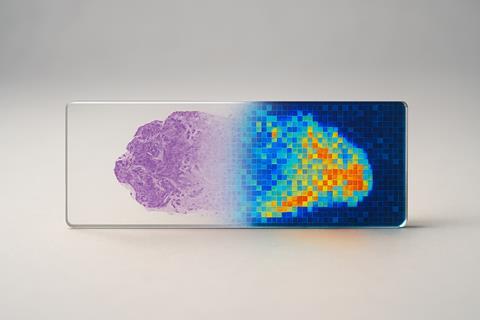
Identifying molecular changes associated with disease is an important step in drug discovery, but establishing whether they represent viable therapeutic targets requires further investigation.
Multiomics can help researchers understand how genetic alterations affect cellular activity, identify potential therapeutic vulnerabilities and investigate mechanisms of drug resistance.
At ELRIG Drug Discovery 2026, Drug Target Review spoke with Dr Shi-qi An, Director of Marketing and Science Communications at Novogene Europe, about the role of multiomics, single-cell analysis and spatial technologies in early drug discovery. She discussed how integrating these technologies can support target identification and validation, while also highlighting the challenges of interpreting complex biological data.
Dr An emphasised that the value of these technologies depends on the scientific questions researchers use them to investigate.
“For me, it’s not just about what new technologies can do, but what new scientific questions they allow us to ask,” she said.
What is multiomics?
Multiomics is an approach that combines data from different molecular layers to provide a more complete understanding of biological processes. Rather than studying one type of molecule in isolation, researchers integrate several types of data, including:
-
Genomics: examines DNA and genetic alterations.
-
Transcriptomics: measures RNA expression to understand gene activity.
-
Proteomics: investigates proteins, their abundance and function.
-
Metabolomics: analyses small molecules produced or used during cellular metabolism.
In drug discovery, combining these datasets can help researchers identify potential therapeutic targets, investigate disease mechanisms and understand why some cells respond differently to treatment. However, functional experiments are still needed to establish whether a potential target plays a causal role in disease.
Building a stronger biological case for drug targets
A genetic alteration associated with disease may suggest a potential therapeutic target, but further investigation is needed to establish its biological significance. Researchers must determine whether the gene is expressed in the relevant cells, how its expression relates to protein abundance or signalling activity, and whether these molecular changes influence cellular function.
Dr An explained that combining different omics datasets allows researchers to examine these relationships more comprehensively than relying on a single molecular measurement.
“I think one of the most valuable aspects of multiomics is that it allows us to examine a biological hypothesis from different perspectives, rather than relying on a single molecular measurement,” she said.
Integrating genomics, transcriptomics, proteomics and metabolomics can also reveal differences between molecular measurements that might otherwise be overlooked.
I think one of the most valuable aspects of multiomics is that it allows us to examine a biological hypothesis from different perspectives, rather than relying on a single molecular measurement.
For example, changes in RNA expression do not always correspond to similar changes in protein abundance, which may indicate additional regulatory processes or compensatory mechanisms.
Rather than treating these discrepancies as limitations, Dr An suggested that they can provide useful information about the biological pathways surrounding a potential target. This can help researchers determine which targets warrant further investigation, although functional validation is still needed to establish their role in disease and therapeutic relevance.
Revealing disease mechanisms at single-cell resolution
Bulk analysis measures molecular signals across a population of cells, which can mask differences between individual cell types. This is particularly relevant in cancer, where small populations of treatment-resistant cells may contribute to disease progression but remain difficult to detect.
Dr An explained that single-cell technologies can identify these populations and examine differences in their molecular activity, while spatial technologies show where cells are located within tissues and suggest potential interactions within the tissue microenvironment.
“One limitation of bulk analysis is that it gives us an average, while disease biology is rarely uniform,” she explained.
In cancer research, for example, the presence of immune cells within a tumour does not necessarily mean they can reach or interact effectively with cancer cells. Their location and surrounding tissue environment may be just as important as their abundance.
One limitation of bulk analysis is that it gives us an average, while disease biology is rarely uniform.
Together, single-cell and spatial technologies can identify rare cell populations, show where they are located within tissues and reveal potential cellular interactions that bulk analysis may miss.
Dr An explained that these findings can help researchers identify therapeutic vulnerabilities associated with specific cell populations and investigate why treatment responses differ, providing further evidence to support target identification and validation.
Why experimental design matters in multiomics research
Integrating multiomics data is not straightforward. Differences in what each technology measures, when samples are collected and how they are processed can affect the results and their interpretation.
Dr An explained that genomic alterations, gene expression, protein abundance and metabolite concentrations can change over different timescales. While some molecular changes remain relatively stable, others respond rapidly to treatment or changes in cellular state.
For example, transcriptomic and proteomic measurements collected from different regions of a tumour may produce conflicting results because the samples contain different cell populations, rather than because of differences in molecular regulation.
Metabolomics introduces additional uncertainty when researchers cannot confidently assign measured features to specific compounds.
Dr An emphasised that addressing these challenges begins with experimental design, rather than computational analysis alone.
“This is why successful multiomics integration starts long before the computational analysis. Careful experimental design, appropriate sample matching, quality control and a clearly defined biological question are essential,” she said.
Investigating how cancer treatments can drive resistance
The potential of multiomics to investigate complex disease mechanisms is illustrated by research into how lung cancer cells develop resistance during targeted therapy.
Dr An highlighted a study published in Nature in 2023 that investigated whether cancer treatments could themselves contribute to the genetic changes responsible for resistance.
The research, to which Novogene contributed whole-genome and whole-exome sequencing, combined genomic, transcriptomic and chromatin accessibility analyses with functional experiments to investigate how surviving cancer cells evolve during treatment.
Researchers found that several targeted therapies could induce APOBEC3A, an enzyme capable of introducing mutations into DNA. In cancer cells that survived treatment, this activity contributed to genetic changes that could facilitate the emergence of resistance.
The study also provided functional evidence of APOBEC3A’s involvement. Deleting the enzyme in a lung cancer cell model delayed the development of drug resistance, while analysis of patient tumours revealed an enrichment of APOBEC-associated mutational signatures following disease progression after prolonged targeted therapy.
Dr An explained that these findings challenge the assumption that resistance develops solely through the selection of cancer cells that were already resistant before treatment.
“Drug resistance is not always simply about selecting cells that were resistant from the beginning. Treatment itself can influence how surviving cells evolve,” she said.
These findings suggest that suppressing APOBEC3A expression or activity could be explored as a potential strategy to delay acquired resistance, although further therapeutic validation is needed.
Drug resistance is not always simply about selecting cells that were resistant from the beginning. Treatment itself can influence how surviving cells evolve.
Identifying which molecular changes matter
Although multiomics can reveal extensive molecular changes associated with disease, identifying which of these changes contribute directly to disease progression remains a major challenge.
Dr An explained that not all disease-associated alterations are causal, therapeutically relevant or feasible to target. Findings from experimental models may also behave differently in human disease, particularly across different patient populations or stages of progression.
Practical limitations, including cost, sample availability and the complexity of studying larger cohorts, can further restrict the application of multiomics in early drug discovery.
To address these challenges, Dr An suggested that molecular profiling should be more closely integrated with functional experiments, improved disease models and longitudinal studies that follow biological changes over time.
These studies could be particularly valuable for understanding treatment responses, identifying mechanisms that contribute to resistance and determining which molecular changes warrant further investigation.
For Dr An, the priority is selecting technologies that can answer specific biological questions, rather than applying every available method to a single study.
“Ultimately, I don’t think the future is about applying every available omics technology to every project. It’s about choosing the right combination of approaches to answer a meaningful biological question and, importantly, knowing what to investigate next.”
Identifying molecular changes associated with disease is an important step in drug discovery, but establishing whether they represent viable therapeutic targets requires further investigation.
Multiomics can help researchers understand how genetic alterations affect cellular activity, identify potential therapeutic vulnerabilities and investigate mechanisms of drug resistance.
At ELRIG Drug Discovery 2026, Drug Target Review spoke with Dr Shi-qi An, Director of Marketing and Science Communications at Novogene Europe, about the role of multiomics, single-cell analysis and spatial technologies in early drug discovery. Dr An discussed how integrating these technologies can support target identification and validation, while also highlighting the challenges of interpreting complex biological data.
Dr An emphasised that the value of these technologies depends on the scientific questions researchers use them to investigate.
“For me, it’s not just about what new technologies can do, but what new scientific questions they allow us to ask,” she said.
Building a stronger biological case for drug targets
A genetic alteration associated with disease may suggest a potential therapeutic target, but further investigation is needed to establish its biological significance. Researchers must determine whether the gene is expressed in the relevant cells, how its expression relates to protein abundance or signalling activity, and whether these molecular changes influence cellular function.
Dr An explained that combining different omics datasets allows researchers to examine these relationships more comprehensively than relying on a single molecular measurement.
“I think one of the most valuable aspects of multiomics is that it allows us to examine a biological hypothesis from different perspectives, rather than relying on a single molecular measurement,” she said.
Integrating genomics, transcriptomics, proteomics and metabolomics can also reveal differences between molecular measurements that might otherwise be overlooked.
For example, changes in RNA expression do not always correspond to similar changes in protein abundance, which may indicate additional regulatory processes or compensatory mechanisms.
Rather than treating these discrepancies as limitations, Dr An suggested that they can provide useful information about the biological pathways surrounding a potential target. This can help researchers determine which targets warrant further investigation, although functional validation is still needed to establish their role in disease and therapeutic relevance.
Revealing disease mechanisms at single-cell resolution
Bulk analysis measures molecular signals across a population of cells, which can mask differences between individual cell types. This is particularly relevant in cancer, where small populations of treatment-resistant cells may contribute to disease progression but remain difficult to detect.
Dr An explained that single-cell technologies can identify these populations and examine differences in their molecular activity, while spatial technologies show where cells are located within tissues and suggest potential interactions within the tissue microenvironment.
“One limitation of bulk analysis is that it gives us an average, while disease biology is rarely uniform,” she explained.
In cancer research, for example, the presence of immune cells within a tumour does not necessarily mean they can reach or interact effectively with cancer cells. Their location and surrounding tissue environment may be just as important as their abundance.
Together, single-cell and spatial technologies can identify rare cell populations, show where they are located within tissues and reveal potential cellular interactions that bulk analysis may miss.
Dr An explained that these findings can help researchers identify therapeutic vulnerabilities associated with specific cell populations and investigate why treatment responses differ, providing further evidence to support target identification and validation.
Why experimental design matters in multiomics research
Integrating multiomics data is not straightforward. Differences in what each technology measures, when samples are collected and how they are processed can affect the results and their interpretation.
Dr An explained that genomic alterations, gene expression, protein abundance and metabolite concentrations can change over different timescales. While some molecular changes remain relatively stable, others respond rapidly to treatment or changes in cellular state.
For example, transcriptomic and proteomic measurements collected from different regions of a tumour may produce conflicting results because the samples contain different cell populations, rather than because of differences in molecular regulation.
Metabolomics introduces additional uncertainty when researchers cannot confidently assign measured features to specific compounds.
Dr An emphasised that addressing these challenges begins with experimental design, rather than computational analysis alone.
“This is why successful multiomics integration starts long before the computational analysis. Careful experimental design, appropriate sample matching, quality control and a clearly defined biological question are essential,” she said.
Investigating how cancer treatments can drive resistance
The potential of multiomics to investigate complex disease mechanisms is illustrated by research into how lung cancer cells develop resistance during targeted therapy.
Dr An highlighted a study published in Nature in 2023 that investigated whether cancer treatments could themselves contribute to the genetic changes responsible for resistance.
The research, to which Novogene contributed whole-genome and whole-exome sequencing, combined genomic, transcriptomic and chromatin accessibility analyses with functional experiments to investigate how surviving cancer cells evolve during treatment.
Researchers found that several targeted therapies could induce APOBEC3A, an enzyme capable of introducing mutations into DNA. In cancer cells that survived treatment, this activity contributed to genetic changes that could facilitate the emergence of resistance.
The study also provided functional evidence of APOBEC3A’s involvement. Deleting the enzyme in a lung cancer cell model delayed the development of drug resistance, while analysis of patient tumours revealed an enrichment of APOBEC-associated mutational signatures following disease progression after prolonged targeted therapy.
Dr An explained that these findings challenge the assumption that resistance develops solely through the selection of cancer cells that were already resistant before treatment.
“Drug resistance is not always simply about selecting cells that were resistant from the beginning. Treatment itself can influence how surviving cells evolve,” she said.
These findings suggest that suppressing APOBEC3A expression or activity could be explored as a potential strategy to delay acquired resistance, although further therapeutic validation is needed.
Identifying which molecular changes matter
Although multiomics can reveal extensive molecular changes associated with disease, identifying which of these changes contribute directly to disease progression remains a major challenge.
Dr An explained that not all disease-associated alterations are causal, therapeutically relevant or feasible to target. Findings from experimental models may also behave differently in human disease, particularly across different patient populations or stages of progression.
Practical limitations, including cost, sample availability and the complexity of studying larger cohorts, can further restrict the application of multiomics in early drug discovery.
To address these challenges, Dr An suggested that molecular profiling should be more closely integrated with functional experiments, improved disease models and longitudinal studies that follow biological changes over time.
These studies could be particularly valuable for understanding treatment responses, identifying mechanisms that contribute to resistance and determining which molecular changes warrant further investigation.
For Dr An, the priority is selecting technologies that can answer specific biological questions, rather than applying every available method to a single study.
“Ultimately, I don’t think the future is about applying every available omics technology to every project. It’s about choosing the right combination of approaches to answer a meaningful biological question and, importantly, knowing what to investigate next.”vvvfddddIdentifying molecular changes associated with disease is an important step in drug discovery, but establishing whether they represent viable therapeutic targets requires further investigation.
Multiomics can help researchers understand how genetic alterations affect cellular activity, identify potential therapeutic vulnerabilities and investigate mechanisms of drug resistance.
At ELRIG Drug Discovery 2026, Drug Target Review spoke with Dr Shi-qi An, Director of Marketing and Science Communications at Novogene Europe, about the role of multiomics, single-cell analysis and spatial technologies in early drug discovery. Dr An discussed how integrating these technologies can support target identification and validation, while also highlighting the challenges of interpreting complex biological data.
Dr An emphasised that the value of these technologies depends on the scientific questions researchers use them to investigate.
“For me, it’s not just about what new technologies can do, but what new scientific questions they allow us to ask,” she said.
Building a stronger biological case for drug targets
A genetic alteration associated with disease may suggest a potential therapeutic target, but further investigation is needed to establish its biological significance. Researchers must determine whether the gene is expressed in the relevant cells, how its expression relates to protein abundance or signalling activity, and whether these molecular changes influence cellular function.
Dr An explained that combining different omics datasets allows researchers to examine these relationships more comprehensively than relying on a single molecular measurement.
“I think one of the most valuable aspects of multiomics is that it allows us to examine a biological hypothesis from different perspectives, rather than relying on a single molecular measurement,” she said.
Integrating genomics, transcriptomics, proteomics and metabolomics can also reveal differences between molecular measurements that might otherwise be overlooked.
For example, changes in RNA expression do not always correspond to similar changes in protein abundance, which may indicate additional regulatory processes or compensatory mechanisms.
Rather than treating these discrepancies as limitations, Dr An suggested that they can provide useful information about the biological pathways surrounding a potential target. This can help researchers determine which targets warrant further investigation, although functional validation is still needed to establish their role in disease and therapeutic relevance.
Revealing disease mechanisms at single-cell resolution
Bulk analysis measures molecular signals across a population of cells, which can mask differences between individual cell types. This is particularly relevant in cancer, where small populations of treatment-resistant cells may contribute to disease progression but remain difficult to detect.
Dr An explained that single-cell technologies can identify these populations and examine differences in their molecular activity, while spatial technologies show where cells are located within tissues and suggest potential interactions within the tissue microenvironment.
“One limitation of bulk analysis is that it gives us an average, while disease biology is rarely uniform,” she explained.
In cancer research, for example, the presence of immune cells within a tumour does not necessarily mean they can reach or interact effectively with cancer cells. Their location and surrounding tissue environment may be just as important as their abundance.
Together, single-cell and spatial technologies can identify rare cell populations, show where they are located within tissues and reveal potential cellular interactions that bulk analysis may miss.
Dr An explained that these findings can help researchers identify therapeutic vulnerabilities associated with specific cell populations and investigate why treatment responses differ, providing further evidence to support target identification and validation.
Why experimental design matters in multiomics research
Integrating multiomics data is not straightforward. Differences in what each technology measures, when samples are collected and how they are processed can affect the results and their interpretation.
Dr An explained that genomic alterations, gene expression, protein abundance and metabolite concentrations can change over different timescales. While some molecular changes remain relatively stable, others respond rapidly to treatment or changes in cellular state.
For example, transcriptomic and proteomic measurements collected from different regions of a tumour may produce conflicting results because the samples contain different cell populations, rather than because of differences in molecular regulation.
Metabolomics introduces additional uncertainty when researchers cannot confidently assign measured features to specific compounds.
Dr An emphasised that addressing these challenges begins with experimental design, rather than computational analysis alone.
“This is why successful multiomics integration starts long before the computational analysis. Careful experimental design, appropriate sample matching, quality control and a clearly defined biological question are essential,” she said.
Investigating how cancer treatments can drive resistance
The potential of multiomics to investigate complex disease mechanisms is illustrated by research into how lung cancer cells develop resistance during targeted therapy.
Dr An highlighted a study published in Nature in 2023 that investigated whether cancer treatments could themselves contribute to the genetic changes responsible for resistance.
The research, to which Novogene contributed whole-genome and whole-exome sequencing, combined genomic, transcriptomic and chromatin accessibility analyses with functional experiments to investigate how surviving cancer cells evolve during treatment.
Researchers found that several targeted therapies could induce APOBEC3A, an enzyme capable of introducing mutations into DNA. In cancer cells that survived treatment, this activity contributed to genetic changes that could facilitate the emergence of resistance.
The study also provided functional evidence of APOBEC3A’s involvement. Deleting the enzyme in a lung cancer cell model delayed the development of drug resistance, while analysis of patient tumours revealed an enrichment of APOBEC-associated mutational signatures following disease progression after prolonged targeted therapy.
Dr An explained that these findings challenge the assumption that resistance develops solely through the selection of cancer cells that were already resistant before treatment.
“Drug resistance is not always simply about selecting cells that were resistant from the beginning. Treatment itself can influence how surviving cells evolve,” she said.
These findings suggest that suppressing APOBEC3A expression or activity could be explored as a potential strategy to delay acquired resistance, although further therapeutic validation is needed.
Identifying which molecular changes matter
Although multiomics can reveal extensive molecular changes associated with disease, identifying which of these changes contribute directly to disease progression remains a major challenge.
Dr An explained that not all disease-associated alterations are causal, therapeutically relevant or feasible to target. Findings from experimental models may also behave differently in human disease, particularly across different patient populations or stages of progression.
Practical limitations, including cost, sample availability and the complexity of studying larger cohorts, can further restrict the application of multiomics in early drug discovery.
To address these challenges, Dr An suggested that molecular profiling should be more closely integrated with functional experiments, improved disease models and longitudinal studies that follow biological changes over time.
These studies could be particularly valuable for understanding treatment responses, identifying mechanisms that contribute to resistance and determining which molecular changes warrant further investigation.
For Dr An, the priority is selecting technologies that can answer specific biological questions, rather than applying every available method to a single study.
“Ultimately, I don’t think the future is about applying every available omics technology to every project. It’s about choosing the right combination of approaches to answer a meaningful biological question and, importantly, knowing what to investigate next.”Identifying molecular changes associated with disease is an important step in drug discovery, but establishing whether they represent viable therapeutic targets requires further investigation.
Multiomics can help researchers understand how genetic alterations affect cellular activity, identify potential therapeutic vulnerabilities and investigate mechanisms of drug resistance.
At ELRIG Drug Discovery 2026, Drug Target Review spoke with Dr Shi-qi An, Director of Marketing and Science Communications at Novogene Europe, about the role of multiomics, single-cell analysis and spatial technologies in early drug discovery. Dr An discussed how integrating these technologies can support target identification and validation, while also highlighting the challenges of interpreting complex biological data.
Dr An emphasised that the value of these technologies depends on the scientific questions researchers use them to investigate.
“For me, it’s not just about what new technologies can do, but what new scientific questions they allow us to ask,” she said.
Building a stronger biological case for drug targets
A genetic alteration associated with disease may suggest a potential therapeutic target, but further investigation is needed to establish its biological significance. Researchers must determine whether the gene is expressed in the relevant cells, how its expression relates to protein abundance or signalling activity, and whether these molecular changes influence cellular function.
Dr An explained that combining different omics datasets allows researchers to examine these relationships more comprehensively than relying on a single molecular measurement.
“I think one of the most valuable aspects of multiomics is that it allows us to examine a biological hypothesis from different perspectives, rather than relying on a single molecular measurement,” she said.
Integrating genomics, transcriptomics, proteomics and metabolomics can also reveal differences between molecular measurements that might otherwise be overlooked.
For example, changes in RNA expression do not always correspond to similar changes in protein abundance, which may indicate additional regulatory processes or compensatory mechanisms.
Rather than treating these discrepancies as limitations, Dr An suggested that they can provide useful information about the biological pathways surrounding a potential target. This can help researchers determine which targets warrant further investigation, although functional validation is still needed to establish their role in disease and therapeutic relevance.
Revealing disease mechanisms at single-cell resolution
Bulk analysis measures molecular signals across a population of cells, which can mask differences between individual cell types. This is particularly relevant in cancer, where small populations of treatment-resistant cells may contribute to disease progression but remain difficult to detect.
Dr An explained that single-cell technologies can identify these populations and examine differences in their molecular activity, while spatial technologies show where cells are located within tissues and suggest potential interactions within the tissue microenvironment.
“One limitation of bulk analysis is that it gives us an average, while disease biology is rarely uniform,” she explained.
In cancer research, for example, the presence of immune cells within a tumour does not necessarily mean they can reach or interact effectively with cancer cells. Their location and surrounding tissue environment may be just as important as their abundance.
Together, single-cell and spatial technologies can identify rare cell populations, show where they are located within tissues and reveal potential cellular interactions that bulk analysis may miss.
Dr An explained that these findings can help researchers identify therapeutic vulnerabilities associated with specific cell populations and investigate why treatment responses differ, providing further evidence to support target identification and validation.
Why experimental design matters in multiomics research
Integrating multiomics data is not straightforward. Differences in what each technology measures, when samples are collected and how they are processed can affect the results and their interpretation.
Dr An explained that genomic alterations, gene expression, protein abundance and metabolite concentrations can change over different timescales. While some molecular changes remain relatively stable, others respond rapidly to treatment or changes in cellular state.
For example, transcriptomic and proteomic measurements collected from different regions of a tumour may produce conflicting results because the samples contain different cell populations, rather than because of differences in molecular regulation.
Metabolomics introduces additional uncertainty when researchers cannot confidently assign measured features to specific compounds.
Dr An emphasised that addressing these challenges begins with experimental design, rather than computational analysis alone.
“This is why successful multiomics integration starts long before the computational analysis. Careful experimental design, appropriate sample matching, quality control and a clearly defined biological question are essential,” she said.
Investigating how cancer treatments can drive resistance
The potential of multiomics to investigate complex disease mechanisms is illustrated by research into how lung cancer cells develop resistance during targeted therapy.
Dr An highlighted a study published in Nature in 2023 that investigated whether cancer treatments could themselves contribute to the genetic changes responsible for resistance.
The research, to which Novogene contributed whole-genome and whole-exome sequencing, combined genomic, transcriptomic and chromatin accessibility analyses with functional experiments to investigate how surviving cancer cells evolve during treatment.
Researchers found that several targeted therapies could induce APOBEC3A, an enzyme capable of introducing mutations into DNA. In cancer cells that survived treatment, this activity contributed to genetic changes that could facilitate the emergence of resistance.
The study also provided functional evidence of APOBEC3A’s involvement. Deleting the enzyme in a lung cancer cell model delayed the development of drug resistance, while analysis of patient tumours revealed an enrichment of APOBEC-associated mutational signatures following disease progression after prolonged targeted therapy.
Dr An explained that these findings challenge the assumption that resistance develops solely through the selection of cancer cells that were already resistant before treatment.
“Drug resistance is not always simply about selecting cells that were resistant from the beginning. Treatment itself can influence how surviving cells evolve,” she said.
These findings suggest that suppressing APOBEC3A expression or activity could be explored as a potential strategy to delay acquired resistance, although further therapeutic validation is needed.
Identifying which molecular changes matter
Although multiomics can reveal extensive molecular changes associated with disease, identifying which of these changes contribute directly to disease progression remains a major challenge.
Dr An explained that not all disease-associated alterations are causal, therapeutically relevant or feasible to target. Findings from experimental models may also behave differently in human disease, particularly across different patient populations or stages of progression.
Practical limitations, including cost, sample availability and the complexity of studying larger cohorts, can further restrict the application of multiomics in early drug discovery.
To address these challenges, Dr An suggested that molecular profiling should be more closely integrated with functional experiments, improved disease models and longitudinal studies that follow biological changes over time.
These studies could be particularly valuable for understanding treatment responses, identifying mechanisms that contribute to resistance and determining which molecular changes warrant further investigation.
For Dr An, the priority is selecting technologies that can answer specific biological questions, rather than applying every available method to a single study.
“Ultimately, I don’t think the future is about applying every available omics technology to every project. It’s about choosing the right combination of approaches to answer a meaningful biological question and, importantly, knowing what to investigate next.”dfgdg








No comments yet