



All Proteomics articles
-
 News
NewsSpeakers announced for Protein Sciences in Drug Discovery 2026 in Stevenage
Three leading scientists in protein science, structural biology and AI will headline the Protein Sciences in Drug Discovery conference at GSK Stevenage in November 2026, exploring advances in AI-driven drug design, native mass spectrometry and membrane protein folding.
-
 Article
How disease exposes hidden epitopes that AI models may miss
A protein can look very different in disease without a single change to its sequence. Measuring these structural changes could reveal drug targets invisible to genomic and expression data alone.
-
 Article
How protective gene variants are revealing new drug targets
Finding the right drug target remains one of discovery’s biggest challenges. Human genetics is helping researchers strengthen the evidence before committing years of research and investment.
-
 News
NewsInsilico Medicine launches open-source AI longevity research toolkit
Insilico Medicine has published a Cell cover study introducing LongevityBench, a suite of specialised AI models and an autonomous agentic discovery platform.
-
 News
NewsMicroproteins emerge as potential new Alzheimer’s targets
Scientists at the Salk Institute have constructed a comprehensive atlas of previously uncharacterised microproteins in the human frontal cortex, identifying over 1,000 novel candidates.
-
 Webinar
Cracking cell dynamics with single-cell proteomics and CRISPR
What can pooled CRISPR screening and protein‑level readouts reveal that transcriptomics alone can’t? Explore how single‑cell genomic perturbations, intracellular protein measurements and surface‑protein profiling expose signalling pathways and clarify antibody specificity.
-
 Article
What makes a human biospecimen fit for purpose in drug discovery
Human biospecimens can bring drug discovery closer to human disease, but their value depends on far more than the sample itself. We explore the factors that determine how much researchers can learn from them.
-
 Webinar
Spatial proteomics in FFPE tumour tissue: an end-to-end workflow from prostate cancer research
Follow a complete high-plex spatial proteomics workflow on archival FFPE tumour tissue, from marker-panel design to cell phenotyping, with a prostate cancer case study from the University of Surrey.
-
 Article
PROTACs vs molecular glues: which degrader fits your target?
PROTACs and molecular glues can both remove disease-associated proteins, but choosing between them is not simple. Our new Discovery Toolkit compares the options to help discovery teams choose the right strategy.
-
 Article
Inside one of the most comprehensive human proteome atlases to date
Understanding where proteins are expressed throughout the body is critical for selecting better drug targets. Here’s how a new human proteome atlas could improve target selection, predict toxicity and support drug repurposing.
-
 News
NewsBlood test for protein misfolding identifies Alzheimer’s risk years before symptoms
A blood-based biomarker measuring amyloid beta protein misfolding has demonstrated superior predictive accuracy for pre-symptomatic Alzheimer’s disease compared with p-tau 217, achieving an AUC of 0.87 when combined with genetic and demographic data.
-
 Article
How spatial biology is tracking antibody drugs inside tumours
Many antibody therapies fail to reach all cancer cells within solid tumours. Researchers have developed a spatial biology technique that maps antibody distribution alongside the tumour microenvironment to investigate why.
-
 News
NewsAUTAC strategy targets MCL1 to overcome myeloma treatment resistance
Scientists at VCU Massey Comprehensive Cancer Center have developed an autophagy-targeting chimera that redirects cancer cells’ own recycling machinery to degrade the survival protein MCL1, offering a potential new strategy to overcome treatment resistance in multiple myeloma.
-
 Article
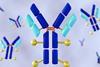
Improving selectivity in antibody–drug conjugates
Promatix Biosciences is developing a new generation of bispecific antibody–drug conjugates using proprietary membrane proteomics data to identify highly selective target pairings. CEO Dr Michael Hunter explains how the company’s TXPro database enables discovery of previously unexplored tumour biology to improve therapeutic index and reduce on-target/off-tumour toxicities in solid tumours.
-
 News
NewsSmall molecule SK-129 targets protein aggregation in Parkinson’s disease
International researchers have identified a small molecule capable of crossing the blood-brain barrier to prevent pathological protein aggregation in Parkinson’s disease, Lewy body dementia and multiple system atrophy.
-
 News
NewsPRI-101 could become first disease-modifying Parkinson’s drug
Biotechnology company Priavoid GmbH has announced proof-of-concept data for PRI-101, an orally available peptide drug targeting neurodegeneration. Preclinical studies demonstrate the experimental therapy reduces toxic α-synuclein aggregates across multiple Parkinson’s disease models, with evidence of blood-brain barrier penetration and improved survival outcomes.
-
 News
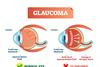
NewsNew target found for glaucoma treatment
Scientists have discovered that specialised immune cells in the eye help keep its drainage system clear and regulate pressure, which could inform new treatments for glaucoma.
-
 News
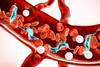
NewsPEX38 protein identified as drug target for trypanosome parasites
A newly identified protein essential to the survival of trypanosome parasites could offer a highly targeted route for future drug development.
-
 Article
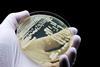
Integrated proteo-transcriptomics reveals multiple therapeutic targets in Candida auris
Scientists at the Medical University of Vienna identify multiple mechanisms of multidrug resistance in Candida auris, revealing new therapeutic opportunities.
-
 News
NewsInsilico and MSK partner on AI research for gastroesophageal cancer
A new research collaboration between Insilico Medicine and Memorial Sloan Kettering Cancer Center aims to harness generative AI technology to identify novel therapeutic targets for gastroesophageal cancers.