



International researchers have identified a small molecule capable of crossing the blood-brain barrier to prevent pathological protein aggregation in Parkinson’s disease, Lewy body dementia and multiple system atrophy.

A newly identified small molecule could helpt to tackle several devastating neurological conditions such as Parkinson’s disease, according to researchers from New York University Abu Dhabi and University of Denver.
Hope for treating the root cause
In the new study, the international research team discovered a compound that may help slow or even prevent the progression of several serious brain disorders. These include Parkinson’s disease, Lewy body dementia and multiple system atrophy, all of which are linked by a common underlying mechanism.
In these conditions, a neuronal protein builds up abnormally in the brain, forming clumps that spread and gradually damage brain cells. Currently there are no approved treatments capable of stopping or slowing this process, leaving patients with therapies that only manage symptoms.
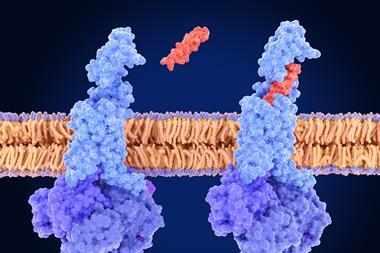
The newly discovered compound, known as SK-129, works by preventing the protein from clumping together and spreading through the brain.
The newly discovered compound, known as SK-129, works by preventing the protein from clumping together and spreading through the brain. By targeting the disease at its source, researchers think it could offer a fundamentally new approach to treatment.
Promising results across models
The team tested SK-129 across a wide range of experimental systems, including human cells, tissue derived from patients and living organisms. In each case, the molecule was found to reduce the harmful effects associated with disease progression.
A crucial part of the findings was the molecule’s ability to cross the blood-brain barrier, a protective layer that often blocks drugs from reaching the brain. This has long been one of the key challenges in developing treatments for neurological disorders.
In mouse models, SK-129 significantly reduced the development of disease-related damage in the brain, further demonstrating its potential as a therapeutic candidate.
“This is an important step toward developing treatments that target the root cause of these diseases,” said Mazin Magzoub, Associate Professor of Biology at NYU Abu Dhabi and co-lead author of the study. “Instead of only treating symptoms, we are working toward slowing or stopping the disease itself.”
Wider implications for brain health
Researchers also identified an additional benefit of the molecule. SK-129 appears capable of blocking harmful interactions involving another neuronal protein closely associated with Alzheimer’s disease.
SK-129 appears capable of blocking harmful interactions involving another neuronal protein closely associated with Alzheimer’s disease.
This dual action suggests the compound could have broader applications in tackling complex neurological disorders where multiple disease pathways are involved.
Next steps
While the findings are encouraging, further research will be needed before SK-129 can be clinically tested. Nevertheless, the discovery could eventually lead to treatments that go beyond symptom management and instead address the underlying causes of currently incurable brain diseases.



No comments yet