



A new preclinical study describes an AUTAC-based targeted protein degrader that harnesses autophagy to selectively eliminate MCL1, demonstrating enhanced anti-cancer activity in combination with proteasome inhibitors.
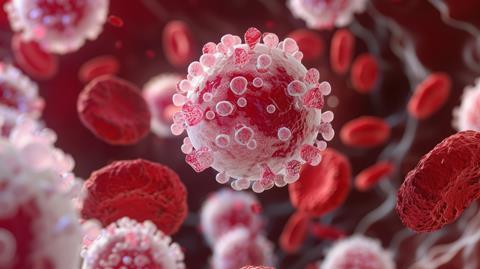
Researchers have developed an experimental treatment strategy that could improve outcomes for people with multiple myeloma by harnessing the cancer cell’s own waste disposal system to destroy a key survival protein.
The findings come from scientists at VCU Massey Comprehensive Cancer Center, who say the approach could help overcome the diseases resistance to existing therapies.
The study discovered an experimental targeted protein degrader, developed in-house at the cancer centre, enhanced the destruction of the protein MCL1 when used alongside current treatments. Researchers also reported limited toxicity in cardiac models while demonstrating activity against cancer cells.
Tackling treatment resistance
Multiple myeloma is a cancer of plasma cells, a type of white blood cell found in the bone marrow. Although proteasome inhibitors remain a cornerstone of treatment, many patients eventually develop resistance, allowing the disease to return.
“Treatment resistance remains a major challenge in multiple myeloma,” said study senior author Dr Senthil Radhakrishnan, a member of the Cancer Biology research programme at Massey and Professor of Pathology at the VCU School of Medicine. “Our findings point to a new way of using the cancer cell’s own recycling machinery against it, with the goal of making existing treatments more effective.”
Multiple myeloma is a cancer of plasma cells, a type of white blood cell found in the bone marrow
The research team designed an autophagy-targeting chimera, or AUTAC, to direct the breakdown of MCL1, a protein on which many multiple myeloma cells rely for survival.
“We’re using the autophagy response and degrading this critical protein and killing the cancer cells,” Radhakrishnan said. “MCL1 is usually broken down through the proteasome but we’re forcing MCL1 to be degraded through autophagy.”
Combining therapies
Unlike many targeted cancer drugs that block the activity of proteins, targeted protein degradation aims to remove them completely.
When the AUTAC was combined with a proteasome inhibitor, researchers observed enhanced anti-cancer activity in preclinical multiple myeloma models.
“After 48 hours, we saw a 50 percent reduction in multiple myeloma cell viability in preclinical models,” said study lead author Dr Ahmed Elshazly, candidate in the Department of Pathology at the VCU School of Medicine. “We confirmed that our drug, as a complete molecule, is able to induce cancer cell death.”
The team also found the treatment strategy successfully degraded MCL1 in non-small cell lung cancer models, suggesting the approach could have wider applications.
Looking ahead
Researchers are now working to improve the potency of the molecule through medicinal chemistry before progressing to further preclinical studies.
“We are trying to increase the potency of this molecule using medicinal chemistry,” says Radhakrishnan. ”This study is just proof of principle, so we want to continue to improve on it.”
The findings may also have implications for other cancers that depend on MCL1, including breast cancer, lung cancer and melanoma.
Researchers are now working to improve the potency of the molecule through medicinal chemistry before progressing to further preclinical studies
Proteasome inhibitors work by blocking the cellular machinery responsible for removing unwanted proteins, causing toxic protein build-up that kills myeloma cells. However, cancer cells can evade this effect by activating autophagy, a natural recycling process that clears cellular waste.
Rather than blocking autophagy, as previous approaches have proposed, the new strategy redirects the process to selectively eliminate MCL1, which potentially could help the disease overcome treatment resistance.




No comments yet