


All Proteomics articles – Page 3
-
 Article
Nobel Prize celebrates AI's role in protein structure innovation
The 2024 Nobel Prize in Chemistry honours AI's transformative impact on protein science, with breakthroughs set to reshape drug development.
-
 Article
The paradox of data in precision medicine
The path to faster breakthroughs in precision medicine begins with overcoming the complexities of multi-modal data. Discover how innovative solutions are enabling more personalised treatments.
-
News
New AI tool accurately portrays metabolic states
RENAISSANCE can quantify unknown intracellular metabolic states, including metabolic fluxes.
-
 News
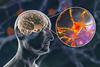
Identifying biomarkers for progressive supranuclear palsy
Protein biomarkers in spinal fluid linked to PSP could enable earlier diagnosis and treatment for this neurological disorder.
-
 News
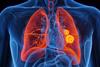
Proteogenomics: finding targets for never-smoker lung cancer
Through multi-omics analysis, researchers find that oestrogen signalling could be a target for never-smoker lung cancer cases.
-
 Article
Transomics’ impact on a promising liver cancer therapeutic
Using its AI-driven platform, Pepper Bio discovered a promising therapeutic for liver cancer. In this Q&A session with Jon Hu, CEO and co-founder of Pepper Bio, we dive into how the identification of two inhibitors led to a $135M in-licensing deal.
-
 Whitepaper
Poster: Assays for DDX3, DDX5, DDX17, RIG-I, and MDA5
A panel of HTS assays was developed using the Transcreener platform to accelerate the development of selective helicase inhibitors.
-
 Whitepaper
Poster: Assays for PRMT5, MLL4, METTL3/14, & NSP14
AptaFluor SAH: A Homogenous, Universal Assay for Histone, RNA, & DNA Methyltransferases. Case Study for PRMT5, MLL4, METTL3/14, & NSP14
-
News
Mitochondrial depletion results in abnormal protein accumulation
Researchers find the mechanism which may underly the onset and progression of age-related neurodegenerative diseases.
-
 News
Using omic data to develop and validate biomarkers of ageing
Researchers highlight the need for considering biomarkers alongside other health outcomes, as well as the need for omic data standardisation.
-
 News
Multi-omic approach classifies biomarkers for paediatric sepsis
Researchers have discovered potential biomarkers to identify paediatric sepsis progression stage, enabling more targeted treatment.
-
 Whitepaper
Application Note: Understanding The Multiplex Imaging Landscape
Learn about the different types of multiplexed imaging available, as well as their applications, benefits and disadvantages.
-
 Whitepaper
Application note: In situ identification of cancer stem cell niches (HCC)
This app note explores a groundbreaking multiplex immunodetection approach to identify cancer stem cell niches within hepatocellular carcinoma (HCC).
-
 Whitepaper
: Targeting kinases in the innate immune response
The guide provides examples of how Transcreener allowed rapid assay development to enable screening for kinases in innate immune pathways.
-
 News
Using proteomics to predict long-term disability outcomes in MS
Data from protein analyses, combined with data from patient journals, enabled the discovery of proteins that predict disease progression.
-
 Article
A Guide to DNA Damage Response and Innate Immunity
In this guide, we provide an overview of the DDR and innate immune pathway and describe Transcreener Assays and Assay Systems for key targets.
-
 News
Discovery enables further investigation into new ligases
Researchers have developed a new PROTAC that activates the protein degradation system and binds to a previously inaccessible ligase.
-
 Article
Decoding stem cells for personalised regenerative medicine
Researchers developed a personalised stem cell therapy using a data-driven, single-cell technique based on swift subcellular proteomic imaging.
-
 Article
New biomarkers found for diabetic kidney disease
Biomarkers found through urinary and exosome proteome profiling have potential for diagnosis and disease monitoring.
-
 Article
Drug Target Review Proteomics eBook 2023
Download now! Drug Target Review breaks down the potential of stem cells for personalised regenerative medicine, offering practical insights into their role in healthcare.