



A Nature Communications study conducted at the University of Texas at Austin Dell Medical School, has identified how dormant pancreatic cancer cells use EREG to suppress CAR T-cell activity in preclinical models. Dr Bryan McClellan and Dr William Matsui discuss the findings and their potential for overcoming treatment resistance.
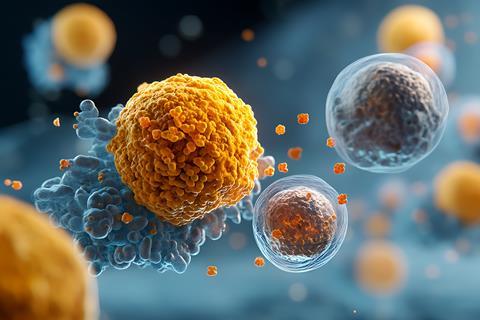
Why do some pancreatic cancer cells survive CAR T-cell therapy when they remain vulnerable to the treatment outside the tumour? Researchers at The University of Texas at Austin have identified a possible explanation, revealing how a small population of dormant cancer cells influences neighbouring immune cells to protect the tumour from attack.
The study, published in Nature Communications, found that these cells release a protein called epiregulin (EREG), which alters the behaviour of nearby macrophages and suppresses CAR T-cell activity. Blocking EREG improved treatment responses in preclinical models, identifying a potential therapeutic target for overcoming resistance.
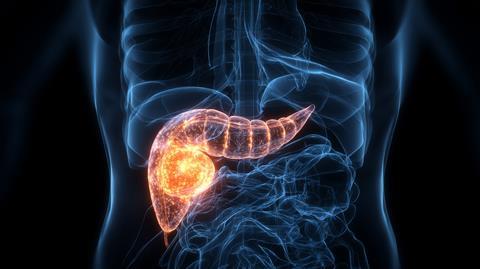
The research focuses on pancreatic ductal adenocarcinoma (PDAC), the most common form of pancreatic cancer. Although CAR T-cell therapies have been successful against certain blood cancers, their effectiveness against solid tumours such as PDAC has been limited, partly because of the immunosuppressive tumour microenvironment.
To discuss the findings and their implications for drug discovery, Drug Target Review spoke with Dr Bryan McClellan, who led the research as a postdoctoral fellow at The University of Texas at Austin, and Dr William Matsui, Professor at The University of Texas MD Anderson Cancer Center, whose laboratory has studied cancer stem cells and treatment resistance for more than a decade.
How cancer cells enter a protective state
The researchers investigated a population of quiescent cancer cells, which remain in a relatively dormant state rather than actively dividing. Previous research had suggested that some of these cells possess stem-like properties, but their contribution to resistance against cellular immunotherapies remained unclear.
Using preclinical models of pancreatic cancer, the team examined how tumour cell populations responded to CAR T-cell therapy. Following treatment, quiescent cells became approximately three times as common. These cells also demonstrated greater tumour-initiating and self-renewal potential than other cancer cells.
However, dormancy was not necessarily a fixed characteristic.
“What was even more striking was that cancer cells that hadn’t started out in that dormant state actually reverted to it under CAR T-cell pressure,” McClellan explained.
The finding suggested that pancreatic cancer cells could enter a protective state in response to treatment, rather than resistance arising solely from an existing population of dormant cells.
What was even more striking was that cancer cells that hadn’t started out in that dormant state actually reverted to it under CAR T-cell pressure.
“That told us these cancer cells can shift into a protective state that helps them evade immune attack, rather than being a fixed group of cells that was always there.”
Why dormant cells survive inside tumours
The researchers next investigated whether dormant cells were inherently more difficult for CAR T cells to kill.
When quiescent cells were isolated from pancreatic tumours and exposed directly to CAR T cells in laboratory experiments, they were just as susceptible to killing as other cancer cells.
“When we took the quiescent cancer stem-like cells out of the tumour and put them in a dish with CAR T-cells directly, they were killed just as readily as ordinary cancer cells, leading us to believe they weren’t intrinsically resistant on their own,” Matsui explained.
This suggested that resistance depended on conditions within the tumour rather than an inherent ability of dormant cells to withstand CAR T-cell attack.
When we took the quiescent cancer stem-like cells out of the tumour and put them in a dish with CAR T-cells directly, they were killed just as readily as ordinary cancer cells.
Further experiments showed that reducing EREG production within tumours increased the susceptibility of quiescent cells to CAR T-cell treatment.
Matsui explained that small populations of cancer cells may contribute to immune suppression by altering the behaviour of surrounding cells.
“This changes how we think about ‘cold’ tumours, where the local tumour environment can limit immune cell activity.”
The role of EREG in immune suppression
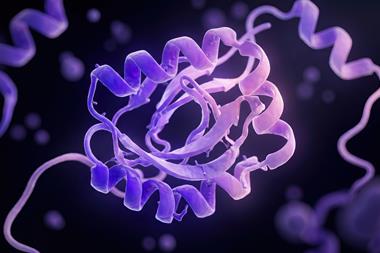
The researchers identified EREG, a soluble protein belonging to the epidermal growth factor (EGF) ligand family, as a key mediator of resistance.
Normally involved in processes such as inflammation and tissue repair, EREG is released by dormant pancreatic cancer cells and acts on receptors expressed by neighbouring cells.
The study identified an important role for ErbB4-expressing tumour-associated macrophages. EREG signalling through these cells reduced CAR T-cell activity, rather than suppressing the therapy directly.
“There’s an intermediate step where EREG signals through the myeloid cells and it’s those myeloid cells that then inhibit the T-cells,” McClellan explained.
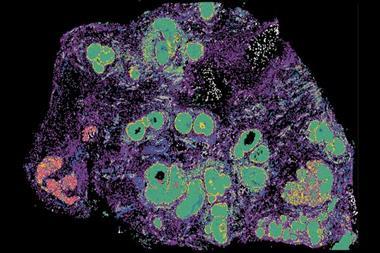
Spatial analysis showed that macrophages expressing ErbB4 were concentrated in EREG-rich regions of pancreatic tumours, suggesting that relatively small populations of dormant cells could influence immune activity in surrounding tissue.
“That’s our working model for why disrupting this one relatively rare cell population and signal has such an outsized effect on the tumour.”
The results suggested that interrupting EREG signalling could improve CAR T-cell activity without modifying the cellular therapy itself.
Testing EREG as a therapeutic target
The researchers investigated whether blocking EREG could improve CAR T-cell treatment using two methods: genetically reducing EREG production in tumour cells and administering a neutralising antibody.
Both methods improved treatment responses in preclinical models. EREG inhibition increased the killing of quiescent cancer cells, reduced tumour recurrence and improved survival when combined with CAR T-cell therapy.
“Having two independent methods, genetic depletion and antibody blockade, produce the same result gives us confidence that this is a real, targetable mechanism rather than a one-off finding from a single experiment,” Matsui said.
The antibody experiments also demonstrated improved killing of quiescent cancer cells in human pancreatic tumour-derived laboratory models containing macrophages.
EREG-blocking antibodies have previously been investigated in human clinical trials for low back pain, with favourable safety findings reported. However, their safety and effectiveness in combination with cancer immunotherapies remain unknown.
Could EREG identify resistant tumours?
The study also raised the possibility that EREG-related signalling could help identify tumours with an immunosuppressive microenvironment.
Analysis of tissue samples from 23 patients with pancreatic cancer found that EREG protein expression was higher in quiescent cancer cells than in actively cycling cells.
Separate analyses of human pancreatic cancer datasets linked EREG-expressing tumour cells and ErbB4-positive macrophages with reduced infiltration by cytotoxic T cells.
The researchers also identified an EREG–ErbB4-associated macrophage gene signature that was linked to poorer survival in a publicly available pancreatic cancer dataset. However, this association does not establish that EREG signalling directly determines patient outcomes.
“We haven’t formally studied EREG as a validated clinical biomarker yet, but there’s a strong association,” McClellan explained.
We haven’t formally studied EREG as a validated clinical biomarker yet, but there’s a strong association.
Investigating resistance across other cancer therapies
The researchers are now investigating whether EREG inhibition could improve responses to other treatments, including immune checkpoint blockade, RAS-targeted agents and potentially cancer vaccines.
“Our immediate focus is expanding this beyond CAR T-cell therapy, since it requires isolating and engineering a patient’s own T-cells, making it expensive and complex to manufacture,” Matsui explained.
Preliminary evidence also suggests that similar dormant, EREG-expressing cells may exist in lung cancer and squamous cell carcinoma, although their role in treatment resistance has yet to be confirmed.
The team plans to analyse cancer datasets and tumour biopsies from patients who have received immunotherapy. Matsui noted that “this type of resistance may only appear after treatment begins,” suggesting that pretreatment samples alone may not capture the mechanisms responsible.
Implications for early drug discovery
The findings identify EREG as a potential therapeutic target for improving CAR T-cell responses by disrupting communication between dormant cancer cells and surrounding macrophages.
Although genetic depletion and antibody blockade improved treatment responses in preclinical models, further research is needed to establish whether the same mechanism contributes to resistance in patients and whether EREG inhibition can be safely combined with existing immunotherapies.






No comments yet