


A new chemically induced proximity strategy called DALTAC simultaneously disrupts androgen receptor and p300 signalling in prostate cancer, showing selective antitumour activity and durable responses against treatment-resistant disease in preclinical studies.
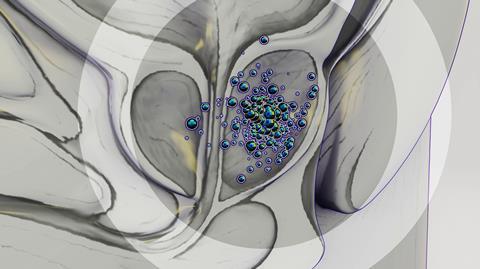
Researchers have developed a new approach to targeting prostate cancer that involves bringing two cancer-driving proteins together rather than blocking their activity individually. In preclinical studies, the technique demonstrated greater antitumour activity than existing inhibitor combinations while showing selectivity for cancer cells over normal cells.
The approach, developed by researchers at the University of Michigan Health Rogel Cancer Center, uses specially designed small molecules to alter interactions between proteins involved in prostate cancer growth.
The findings, published in Nature, could eventually lead to a new strategy for treating advanced disease, including forms that have become resistant to standard therapies.
Reprogramming protein interactions
The technique, called domain-alteration chimeras (DALTAC), targets two proteins that work together to activate genes driving prostate cancer: the androgen receptor (AR) and a helper protein called p300.
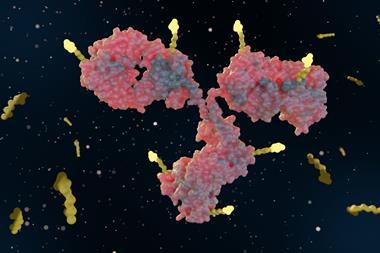
Rather than blocking the interaction between these proteins, the researchers designed a bifunctional small molecule to bind them together in an abnormal configuration. This effectively traps the proteins in an inactive state, disrupting two cancer-related signalling pathways simultaneously.
“Our molecule acts like a molecular brace, connecting these two cancer-driving proteins in an abnormal configuration that traps them in an inactive state,” said senior study author Arul M. Chinnaiyan, Director of the Michigan Center for Translational Pathology and S.P. Hicks Professor of Pathology at Michigan Medicine. “This shuts down two oncogenic signalling pathways simultaneously, enabling highly effective killing of tumour cells while sparing normal cells. Our preclinical findings suggest that this approach could offer a more effective treatment strategy for prostate cancer.”
The research contributes to the emerging field of chemically induced proximity, which uses small molecules to bring proteins together and change their functions. Existing approaches include proteolysis-targeting chimeras (PROTACs), which direct specific proteins towards degradation, and transcriptional/epigenetic chemically induced proximity (TCIP).
The DALTAC molecules, however, consist of two inhibitors connected by a carefully designed short linker. By joining the two cancer-driving proteins together, they change the proteins’ usual binding behaviour.
Activity against resistant tumours
The researchers tested DALTAC molecules in prostate cancer cell lines, mouse models and three-dimensional organoids derived from human cells.
Across these preclinical models, the molecules were substantially more potent at killing tumour cells than a combination of separate AR and p300 inhibitors. They also demonstrated selectivity for cancer cells over normal cells.
In animal models, the approach produced durable responses and showed activity against tumours that had developed resistance to standard treatments.
“Our optimised molecule is approximately 1,000 times more potent in tumour cells than the combination of inhibitors targeting these proteins separately, while sparing normal cells that lack these interactions. We also optimised the molecules for oral bioavailability, a key step toward developing a pill for patients,” said senior study author Dr Shaomeng Wang, Warner-Lambert/Parke-Davis Professor in Medicine, Professor of Internal Medicine, Pharmacology and Medicinal Chemistry, and Director of the Michigan Center for Therapeutic Innovation.
Chinnaiyan described the findings as promising for advanced prostate cancer, although further research will be needed to establish whether the results translate into clinical benefit.
“These are remarkable preclinical results,” Chinnaiyan said. “The durable responses suggest an opportunity to develop a more effective treatment for advanced prostate cancer, including castration-resistant prostate cancer, if these findings translate to patients.”






No comments yet