



A germline-targeting HIV vaccine has produced broadly neutralising antibodies in approximately 44 percent of rhesus macaques tested, representing the first time such antibodies have been generated at high levels in primates.
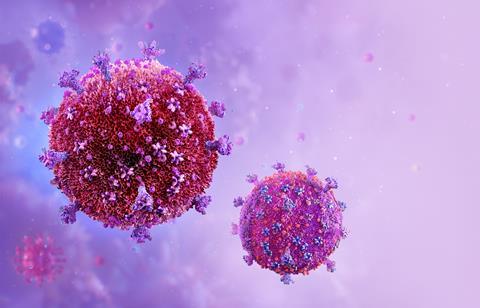
A new experimental HIV vaccine has generated high levels of broadly neutralising antibodies in non-human primates, marking what researchers describe as a significant step towards developing a vaccine capable of preventing HIV infection and AIDS.
The vaccine, developed through a collaboration between La Jolla Institute for Immunology (LJI), Scripps Research and IAVI, is the first to produce abundant broadly neutralising antibodies in primates.
“This feels like a huge success,” says LJI Professor and Chief Scientific Officer Dr Shane Crotty, who co-led the research with Scripps Research Professor William Schief. “We constructed a successful vaccine from the ground up, which required a deep understanding of the immune system.”
Training the immune system
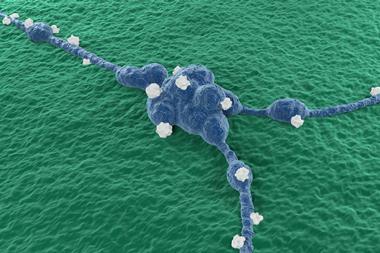
Developing an HIV vaccine has proved difficult because the virus constantly changes its appearance, allowing it to evade immune responses. HIV is covered by a shifting layer of sugar molecules known as glycans, mutates rapidly and alters its shape as it infects human cells.
“The worldwide diversity of HIV mutations is extraordinary. Even the diversity within one individual person living with HIV is dramatic,” says LJI Instructor Dr Patrick Madden, who served as study co-first author.
Developing an HIV vaccine has proved difficult because the virus constantly changes its appearance, allowing it to evade immune responses
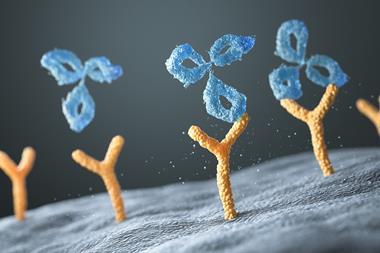
Rather than targeting the virus directly, the new vaccine works by guiding the development of B cells, the immune cells responsible for producing antibodies. Researchers studied how rare broadly neutralising antibodies naturally develop in a small number of people living with HIV before designing a vaccine capable of recreating that process.
“How could we flip the whole immune response on its head so the rare responses become the common responses? That was a critical challenge we faced,” said Dr Crotty.
Promising results in primates
The vaccine uses a germline-targeting approach, beginning with a priming dose that activates naïve B cells followed by a series of booster vaccinations designed to steer those cells towards producing broadly neutralising antibodies.
“This series of vaccinations will guide, or ‘walk’, a B cell from its naive state to its broadly neutralising state,” says Madden.
Testing in rhesus macaques showed that around 44 percent of the animals developed broadly neutralising antibodies against HIV. Researchers found these antibodies were present at high levels in the bloodstream, where they could potentially recognise and block the virus.
“We succeeded in taking ultra-rare antibody responses and turning them into common responses by the end of the vaccination process,” adds Dr Crotty.
Although the study did not assess whether the antibodies prevented infection, the researchers say their presence represents an important milestone in HIV vaccine development.
Towards human trials
The team now plans to optimise the vaccination schedule in an effort to improve the immune response further.
“It was incredible to get those results, but of course we’d like to see a response in 100 percent of the animals,” says Madden.
The team now plans to optimise the vaccination schedule in an effort to improve the immune response further
Researchers also found that the antibodies generated in the primates closely resembled the broadly neutralising antibodies identified in the small number of people who naturally develop protection against HIV.
“We believe this vaccine approach is even more likely to succeed in humans, because of the immunogenetics,” Dr Crotty says.





No comments yet