



A University of Exeter study has revealed that doxycycline acts on bacterial ribosomes through two additional mechanisms beyond its established mode of action.
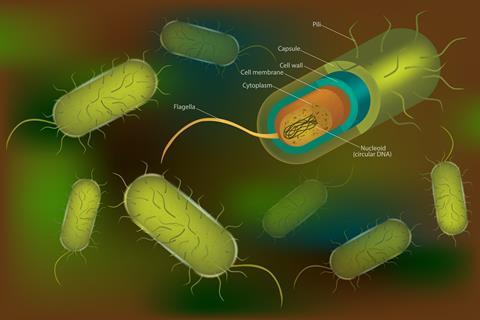
Researchers at the University of Exeter have discovered two previously unknown ways in which the widely used antibiotic doxycycline disrupts bacterial protein production, with the hope that it can support the development of future antibiotics capable of tackling drug-resistant bacterial infections.
The research focused on Coxiella burnetii, the bacterium that causes Q fever. Commonly found in animals, it can infect humans and cause severe flu-like symptoms that may be fatal in some cases.
Structural insights reveal new modes of action
Doxycycline is one of the most commonly prescribed antibiotics and is known to inhibit bacterial protein synthesis by preventing transfer RNA (tRNA) from binding to the ribosome, the cellular machinery responsible for building proteins.
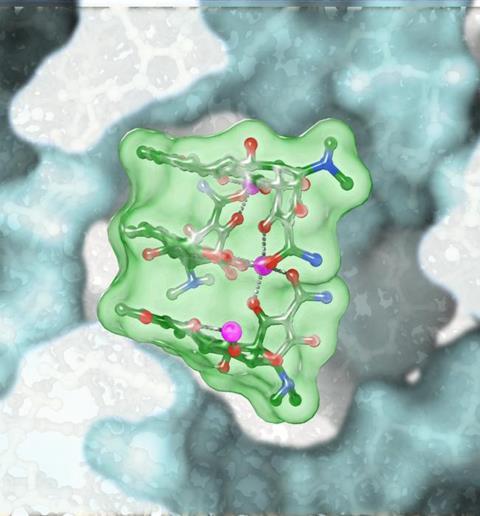
Using electron microscopy, the research team examined ribosomes from C. burnetii in sharp detail. Alongside the antibiotic’s established mechanism, they identified an additional mode of action in which three doxycycline molecules stack together to block the ribosome’s protein exit channel. This prevents newly synthesised proteins from leaving the ribosome, preventing bacterial growth.
Doxycycline is one of the most commonly prescribed antibiotics and is known to inhibit bacterial protein synthesis by preventing transfer RNA (tRNA) from binding to the ribosome
The researchers also identified a second previously unrecognised mechanism in the model bacterium Escherichia coli. In this case, a single doxycycline molecule caused the ribosome to adopt an inactive structure that had not been observed before.
“In this study we used electron microscopy and recent advances allow us to observe molecular structures in greater detail than ever before,” said Professor Nicholas Harmer from the University of Exeter’s Living Systems Institute, who led the research. ”We were surprised to yield a number of important findings, including an entirely new mechanism for how doxycycline works against Coxiella. We now need to investigate whether we can expand this to other forms of bacteria which are resistant to antibiotics, which could open up a really exciting avenue for new treatments.”
Potential implications for antibiotic discovery
The discovery comes as antimicrobial resistance continues to threaten the effectiveness of existing antibiotics, creating an urgent need for new approaches to treating bacterial infections.
By revealing additional ways in which doxycycline interferes with bacterial protein synthesis, the findings could provide a foundation for designing improved antibiotics that exploit similar mechanisms. However, further research will be needed to determine whether these newly identified interactions occur in other clinically important bacteria and whether they can be translated into new therapies.
The discovery comes as antimicrobial resistance continues to threaten the effectiveness of existing antibiotics
“This result really took us by surprise – we had no idea we would find such a beautiful mechanism that explains why the antibiotic is so effective in treating C. burnetii infections,” said lead author Dr William Stuart of the University of Exeter’s Living Systems Institute. ”Excitingly, we suspect this could apply to other bacteria, potentially yielding new treatments against diseases which are currently difficult to treat.”









No comments yet