



Researchers have found that the AS01 vaccine adjuvant system can functionally reprogram human monocytes and alter the tumour immune microenvironment in certain mouse cancer models.
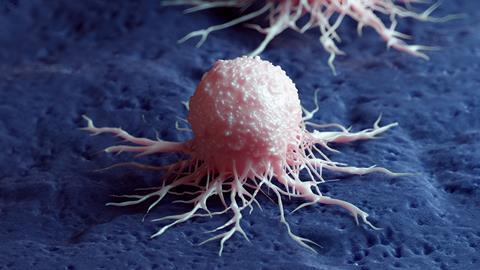
A new preclinical study reports that AS01, a vaccine adjuvant system used in AS01-adjuvanted vaccines, can induce trained immunity in human monocytes and reduce tumour growth in selected mouse cancer models.
Trained immunity is a form of long-term functional reprogramming in innate immune cells that enables them to mount stronger responses to subsequent stimulation. Researchers investigated whether exposure to AS01 could produce this effect in human monocytes and whether the adjuvant could influence tumour growth in experimental models.
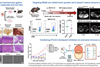
In laboratory experiments, human monocytes were exposed to AS01 before being challenged with lipopolysaccharide. Following restimulation, the AS01-trained cells produced increased levels of inflammatory cytokines including IL-6 and TNF – suggesting that AS01 exposure can enhance the cells’ innate immune responsiveness.
Effects varied between tumour models
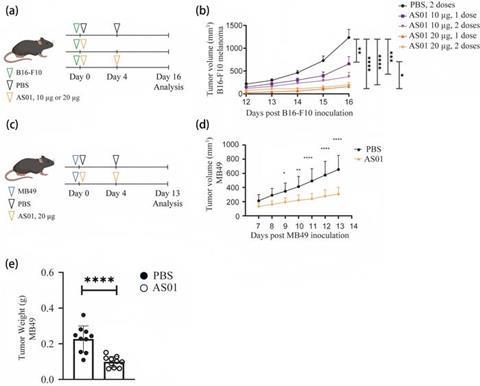
The researchers then assessed AS01 in mouse models representing melanoma, bladder cancer and lung carcinoma. Treatment reduced tumour growth in the B16-F10 melanoma model and the MB49 bladder cancer model. However, a comparable effect was not observed in the Lewis lung carcinoma model.
In the models that responded to treatment, AS01 was associated with changes in the tumour immune microenvironment. These included increased frequencies of CD8+ T cells, neutrophils and monocytes, alongside a reduction in tumour-associated macrophages.
The differences between the experimental models indicate that the effects of AS01 may depend on the characteristics of the tumour and its surrounding immune environment. The researchers say further work is needed to understand the biological mechanisms behind these differences.
Findings remain at preclinical stage
The study highlights several areas requiring further investigation including the mechanisms through which AS01 induces trained immunity, the reasons for differing responses between tumour models and whether the approach could eventually contribute to the development of cancer immunotherapy strategies.
The authors stress that the findings are preclinical and should not be interpreted as evidence of therapeutic efficacy in patients. Further research will therefore be required to establish whether the observed immune effects can be reproduced in additional experimental systems and whether they have any relevance to cancer treatment in humans. Any potential clinical application would require subsequent investigation and evaluation before it could be considered.




No comments yet