



Researchers at the University of Pittsburgh have discovered that a population of exhausted intratumoral T cells expressing the inhibitory receptor LAG3 can lose that marker, exit the tumour microenvironment and seed durable peripheral immunity.
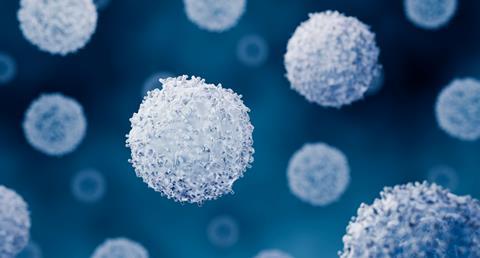
Scientists at the University of Pittsburgh have identified a population of exhausted immune cells that can leave tumours and help provide lasting protection against cancer in mice.
The preclinical study, published in the Journal of Experimental Medicine, describes a new method for tracking T cells that express LAG3, an inhibitory receptor associated with T-cell exhaustion. The researchers found that some of these cells subsequently lose LAG3, leave the tumour and migrate to lymph nodes and other tissues.
“The perception was that intratumoral T cells expressing LAG3 perform no function: they either just sit there or they die,” said Senior Author Dario Vignali, Chair and Distinguished Professor of Immunology at the University of Pittsburgh School of Medicine. “So, it was both surprising and exciting to see that they can actually drive long-lasting immune memory, a finding that has potential translational implications for LAG3-targeting cancer immunotherapies.”
Tracking exhausted T cells
When T cells are exposed to persistent stimulation from cancer, they can gradually become exhausted and accumulate inhibitory receptors including PD1, TIM3 and LAG3.
To investigate what happens after T cells acquire LAG3, Vignali and colleagues developed a mouse model that allowed them to track the cells over time.
The researchers used tamoxifen to label cells expressing LAG3 with a red fluorescent protein called tdTomato. The marker remained visible even after cells stopped expressing LAG3, allowing the team to follow their movement and development.
After labelling LAG3-expressing cells in melanoma tumours, the researchers found that some labelled T cells had subsequently lost LAG3 and migrated out of the tumour into lymph nodes and other tissues.
By contrast, cells that continued to express LAG3 remained inside the tumour. The findings suggest that losing LAG3 may allow exhausted T cells to escape the tumour microenvironment.
Cells linked to immune memory
The team then investigated whether the cells that had left the tumour contributed to long-term protection against cancer.
Melanoma tumours were surgically removed from mice before the animals were challenged again with the same cancer cells one month later. The mice were able to clear the secondary tumours, suggesting that they had developed an immune memory response.
However, selectively removing the LAG3-labelled cells that had left the original tumour caused tumour growth to accelerate substantially.
“We identified a specific population of exhausted T cells that can escape the tumour environment and provide lasting immune protection,” said Yangxi (Claudia) Sun, a graduate student at the University of Pittsburgh and member of Vignali’s lab. “These departed cells are responsible for long-term memory and preventing tumour recurrence.”
Vignali said generating durable immune memory remains an important challenge in cancer treatment, particularly because some patients relapse following immunotherapy.
“The ability to generate a long-lasting memory response that will target the tumour is critically important for effective and durable cancer immunotherapy,” he said. “We are now working to understand whether blocking LAG3 increases exhausted T cell mobility to drive them out of the tumour to seed long-term peripheral immunity.”
The researchers said the findings could eventually inform new approaches to improve LAG3-targeting immunotherapies, although further research will be needed to establish whether the mechanism can be translated into human cancer treatment.



No comments yet