



Researchers at Peking University have developed a structure-guided peptide vaccine candidate against PCSK9 that elicits durable immune responses and reduces LDL cholesterol and atherosclerosis in preclinical models.
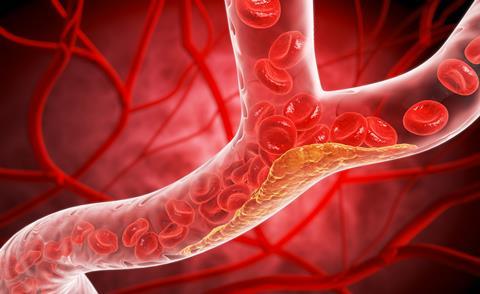
A peptide vaccine designed to target a key protein involved in cholesterol regulation has shown encouraging results in preclinical studies, raising the prospect of a longer-lasting treatment to help reduce the risk of cardiovascular disease.
Researchers led by Professor Ruiping Xiao at Peking University have developed a structure-guided vaccine candidate that targets PCSK9, a protein that is central to regulating levels of low-density lipoprotein cholesterol (LDL-C), often referred to as ‘bad’ cholesterol.
The findings suggest the experimental vaccine could provide a sustained immune response against PCSK9 and reduce both high cholesterol and the development of atherosclerosis in animal models.
Targeting a major cause of cardiovascular disease
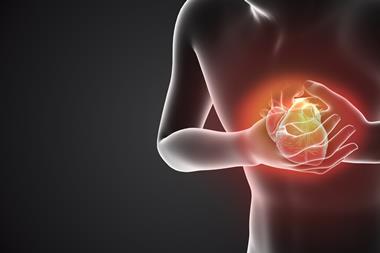
Atherosclerotic cardiovascular disease (ASCVD) is one of the leading causes of death worldwide, with elevated LDL cholesterol recognised as one of its most important modifiable risk factors.
Current therapies that target PCSK9, including monoclonal antibodies and small interfering RNA (siRNA) treatments, are highly effective at lowering LDL cholesterol. However, their relatively high cost and the need for repeated dosing have prompted researchers to investigate longer-lasting alternatives.
Atherosclerotic cardiovascular disease (ASCVD) is one of the leading causes of death worldwide
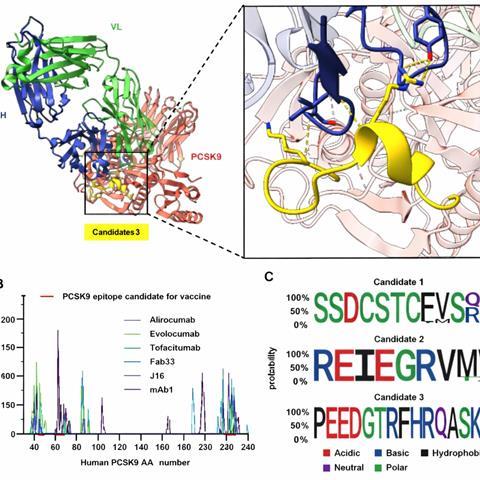
To develop the vaccine, the team analysed the structure of PCSK9 using data from the Protein Data Bank alongside AlphaFold3 modelling. This enabled them to identify conserved regions of the protein most likely to trigger an effective antibody response.
Of three vaccine candidates tested, one peptide formulation known as PVC3, combined with CpG and alum adjuvants, produced the strongest immune response against PCSK9.
Long-lasting immune response
In mouse models, PVC3 generated durable anti-PCSK9 antibody levels that remained detectable for up to 24 weeks after vaccination. Similar antibody responses were also observed in guinea pigs and rhesus macaques.
Safety assessments in mice found no evidence of significant systemic toxicity or major abnormalities in examined organs. Researchers also found no detectable T-cell response directed solely at the targeted PCSK9 B-cell epitope, supporting what they described as a favourable preclinical safety profile.
The vaccine’s effectiveness was then evaluated in two mouse models of high cholesterol.
In one model, vaccination prevented the sharp rise in LDL cholesterol and total cholesterol normally seen after exposure to a modified form of human PCSK9. It also reduced the build-up of fat within the liver.
Reduced plaque formation
In ApoE-deficient mice, which naturally develop high cholesterol and atherosclerosis, the vaccine reduced LDL cholesterol by 29 percent after four weeks and by 20 percent after 14 weeks compared with untreated animals.
Researchers also observed smaller atherosclerotic lesions in the aorta together with a reduction in the size of necrotic cores within arterial plaques, suggesting an overall reduction in disease severity.
Results in healthy rhesus macaques were more measured. Although the vaccine produced strong antibody responses and showed no apparent signs of liver, kidney or autoimmune toxicity in the tests performed, it did not significantly alter cholesterol or triglyceride levels.
In ApoE-deficient mice, which naturally develop high cholesterol and atherosclerosis, the vaccine reduced LDL cholesterol by 29 percent after four weeks and by 20 percent after 14 weeks compared with untreated animals
The researchers believe this may reflect the fact that the animals did not have abnormal cholesterol levels and say further studies in larger animal models with dyslipidaemia will be needed.
While the findings remain at the preclinical stage and do not demonstrate safety or effectiveness in humans, the study provides proof of concept that vaccination against PCSK9 could become a long-term strategy for managing cholesterol levels and reducing the risk of atherosclerotic cardiovascular disease. Further research will be required before the approach can progress towards clinical testing.






No comments yet