



Researchers at Peking University have developed a PCSK9-targeting peptide vaccine that generated sustained anti-PCSK9 antibodies for up to 24 weeks and reduced LDL cholesterol by up to 29 percent in hypercholesterolaemic mouse models.
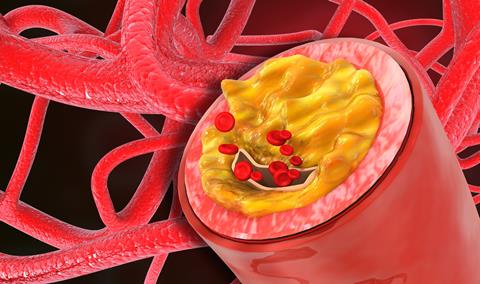
Researchers from Peking University have developed a structure-guided peptide vaccine targeting proprotein convertase subtilisin/kexin type 9 (PCSK9), a protein that plays a central role in regulating low-density lipoprotein cholesterol (LDL-C), often referred to as ’bad’ cholesterol. Their findings have been published in the journal Life Metabolism.
Atherosclerotic cardiovascular disease (ASCVD) remains one of the world’s leading causes of death. Elevated LDL-C is a major modifiable risk factor, making PCSK9 an attractive therapeutic target because it regulates the recycling of LDL receptors in the liver and influences circulating cholesterol levels.
Current PCSK9-targeting therapies, including monoclonal antibodies and small interfering RNA (siRNA) treatments, can significantly reduce LDL-C levels. However, their high cost and the need for repeated injections have driven efforts to develop longer-lasting alternatives.
Structure-guided vaccine design
The research team, led by Professor Ruiping Xiao, investigated whether a carefully selected PCSK9 B-cell epitope, combined with a heterologous T-helper epitope, could stimulate a sustained immune response capable of lowering cholesterol and reducing atherosclerosis.
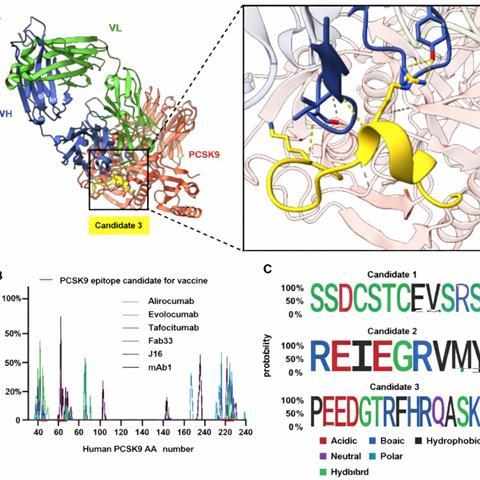
Using structural analysis of PCSK9-antibody complexes from the Protein Data Bank alongside AlphaFold3 modelling, the researchers identified conserved regions of the protein most likely to trigger an effective antibody response. Three peptide vaccine candidates were developed, with one construct, known as PVC3, producing the strongest PCSK9-specific antibody response when formulated with CpG and alum adjuvants.
Durable immune response in animal models
In mouse studies, PVC3 generated anti-PCSK9 antibodies that remained detectable for up to 24 weeks. Similar antibody responses were also observed in guinea pigs and rhesus macaques.
Safety assessments in mice found no evidence of systemic toxicity or significant tissue abnormalities. Researchers also detected no T-cell response to the PCSK9 B-cell epitope alone, supporting what they described as a favourable preclinical safety profile.
The vaccine was then evaluated in two mouse models of hypercholesterolaemia. In one model, vaccination prevented the sharp rise in LDL-C and total cholesterol following induction of disease and reduced fat accumulation in the liver.
In ApoE-deficient mice, which naturally develop high cholesterol and atherosclerotic plaques, PVC3 reduced LDL-C levels by 29 percent after four weeks and by 20 percent after 14 weeks compared with untreated controls. The vaccine also reduced the size of aortic lesions and decreased the proportion of necrotic tissue within arterial plaques, indicating a reduction in overall atherosclerotic burden.
Further research still needed
Results in non-human primates were more measured. Although healthy rhesus macaques developed strong anti-PCSK9 antibody responses and showed no signs of liver, kidney or autoimmune toxicity during the study, the vaccine did not significantly change LDL-C, total cholesterol, HDL-C or triglyceride levels compared with controls.
The researchers suggest this may reflect differences between healthy animals and those with lipid disorders, highlighting the need for further testing in dyslipidaemic non-human primate models.
While these findings provide proof of concept for an active vaccine against PCSK9, the authors stress that additional research is required before any potential clinical application. Future work will focus on optimising the vaccine, investigating its mechanism of action and evaluating its effectiveness in larger animal models with abnormal cholesterol levels.
As a preclinical study, the research does not demonstrate efficacy or safety in humans. However, it offers an important step towards the development of long-lasting PCSK9-targeted vaccines that could provide a more accessible approach to reducing the risk of atherosclerotic cardiovascular disease.








No comments yet