



A combination therapy approach using anti-amyloid antibodies alongside micronutrient-derived compounds could offer a stronger and more improved safety profilesfor Alzheimer’s disease treatment, according to new research from the University of Waterloo’s School of Pharmacy.
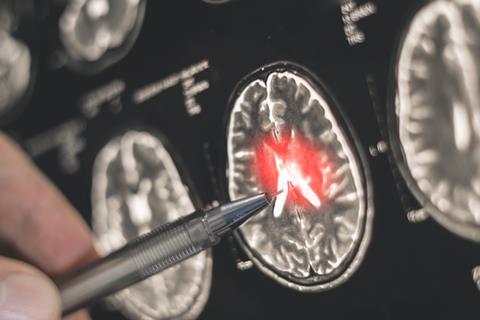
A new study from researchers at the University of Waterloo suggests that combining existing Alzheimer’s medications with naturally derived small molecules could be a safer and more effective way to treat the disease. Researchers found that pairing anti-amyloid antibodies with compounds derived from micronutrients may improve outcomes while reducing the risks associated with current treatments.
Targeting toxic proteins in the brain
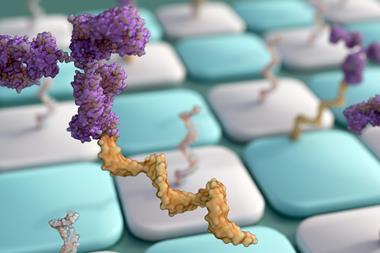
Alzheimer’s disease is caused by a buildup of toxic amyloid proteins in the brain, which clump together and disrupt normal function. Scientists at the School of Pharmacy at the University of Waterloo investigated whether combining treatments could better address this process.
Alzheimer’s disease is caused by a buildup of toxic amyloid proteins in the brain, which clump together and disrupt normal function.
The team used small molecules known to break down amyloid proteins alongside anti-amyloid antibodies that are already used in clinical settings. Their findings showed that this combination helped neutralise the harmful protein clumping more effectively than single therapies, leading to improved results in their study.
Balancing effectiveness and safety
Anti-amyloid antibody therapies have shown some ability to slow the disease. However, they carry significant risks, including brain swelling and bleeding, which can be fatal in some cases. The new research suggests that combining these therapies with naturally derived compounds could allow for lower doses of antibodies, potentially reducing these dangers.
“We already know the small molecules resveratrol or curcumin, which are found in some common foods, block the buildup of amyloid,” said Dr Praveen Nekkar Rao, a professor in the School of Pharmacy at Waterloo. “What’s new and exciting is our combination of these molecules with the anti-amyloid antibodies. This approach could allow clinicians to use lower doses of antibodies, potentially reducing the risk of serious treatment-related side effects.”
Inspired by combination approaches
Given the limited effectiveness of existing treatments, the researchers explored whether using multiple therapies together could produce better outcomes. They focused on resveratrol and curcumin, compounds found in foods such as grapes, berries, peanuts and turmeric, because of their known anti-inflammatory properties and ability to reduce amyloid buildup.
Given the limited effectiveness of existing treatments, the researchers explored whether using multiple therapies together could produce better outcomes.
“I was inspired by chemotherapy, which involves taking multiple medications for effective treatment,” Dr Rao said. “Alzheimer’s is a complex disease, but there are very few combination therapy approaches. Our results show that the way forward is definitely combination therapy.”
Caution and next steps
Despite the promising findings, the researchers stress that the study does not suggest people should begin consuming resveratrol or curcumin to prevent or treat dementia. The levels required to achieve therapeutic effects in the brain would be unsafe through diet alone.
Instead, the next phase of research will focus on developing new drugs that can deliver these compounds more effectively to the brain. Scientists aim to design treatments that interact efficiently with amyloid proteins and work alongside antibody therapies.






No comments yet