Could targeting a single enzyme play a role in slowing lung fibrosis? Boehringer Ingelheim’s research into PDE4B is offering promising clues.
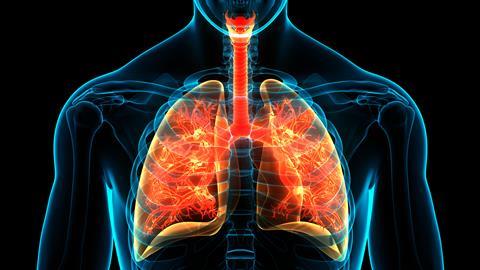
Scientists are always looking for better ways to treat conditions like idiopathic pulmonary fibrosis (IPF) and progressive pulmonary fibrosis (PPF). One area of interest is an enzyme called PDE4B, which plays a role in inflammation and scarring in the lungs. Boehringer Ingelheim has been exploring whether blocking this enzyme could help slow these disease processes.
In this interview, Peter Nickolaus, pre-clinical programme lead, late projects, at Boehringer Ingelheim’s Immunology and Respiratory Diseases Research, explains why the team began exploring PDE4B and the early challenges they faced. The discussion also covers how this work contributed to the development of nerandomilast, an oral medicine that has been investigated for IPF and PPF.
Why PDE4 inhibition?
Researchers at Boehringer Ingelheim have been interested in PDE4 biology for many years. PDE4 is a family of enzymes found in immune cells that help regulate inflammation in the body. When these enzymes are overactive, they can contribute to the kind of long-lasting inflammation and tissue scarring seen in diseases like IPF and PPF.
Reports have also shown, although far less frequently, that pan-PDE4 inhibitors have pre-clinical antifibrotic activities.
Earlier medicines targeted all four types of PDE4 enzymes (PDE4A, PDE4B, PDE4C and PDE4D) at once. These broad, or ‘pan-PDE4’, inhibitors showed clear anti-inflammatory effects in laboratory studies and clinical settings. However, they often caused side effects such as nausea, vomiting and diarrhoea, which limited how widely they could be used. Research has suggested that these unwanted effects are mainly linked to blocking the PDE4D enzyme.
This background created an opportunity to explore whether a more selective approach, focusing specifically on PDE4B, could deliver the benefits while reducing the tolerability issues seen with older PDE4 medicines.
“Reports have also shown, although far less frequently, that pan-PDE4 inhibitors have pre-clinical antifibrotic activities,” Nickolaus explains.
From scientific insight to target validation
Boehringer Ingelheim’s long-standing experience in fibrosis, including the development of nintedanib for IPF and PPF, provided an important scientific foundation.
“Due to the sound scientific background available at Boehringer Ingelheim, originating from the development of nintedanib, we were able to show both in-vitro and in-vivo immunomodulatory effects and antifibrotic activities in the relevant assays and models,” Nickolaus says.
These findings helped confirm PDE4B as a relevant therapeutic target in pathways involved in inflammation and fibrosis.
A key challenge: achieving selectivity
The main obstacle in early discovery was molecular selectivity. “Due to the close molecular similarity of the PDE4B and PDE4D enzymes, the most difficult task was to find molecule classes that showed preferential inhibition,” Nickolaus explains. Achieving this preference for PDE4B inhibition was essential to reduce the gastrointestinal side effects associated with broader PDE4 inhibition.
From hypothesis to candidate selection
Once promising molecules were identified, the team needed to confirm that limiting PDE4D inhibition would indeed result in fewer nausea-related effects. This required a reliable and translational animal model.
“For the PDE4B inhibitors project, the possibility to confirm the hypothesis that less PDE4D inhibition leads to reduced potency to cause nausea and emesis was key,” he says. These findings helped the team select potential candidates for further development.
Collaboration across disciplines
Nickolaus emphasises that advances in early discovery are only possible when expertise is shared across scientific and technical teams. “Without such a trustful and competent collaboration between all involved scientific disciplines and the responsible management, no successful development is possible,” he says. Biology, chemistry, translational medicine and pharmacology all played essential roles in shaping the programme.
What this means for fibrotic and inflammatory disease research
Insights gained during the PDE4B discovery journey may influence how future targets are identified. “Based on the wide area of activities of nerandomilast in pre-clinical in-vitro and in-vivo assays for inflammation and fibrosis, I would expect that in the near future, aspects of these effects that are at present not in focus might become important for IPF and PPF,” Nickolaus notes.
Clinical progress of nerandomilast
New pooled data from the Phase III FIBRONEER trials were recently presented at the European Respiratory Society Congress. Nerandomilast is an oral medicine designed to be a preferential inhibitor of the PDE4B enzyme, with the aim of reducing inflammation and slowing the scarring process in the lungs.
Both FIBRONEER trials met their primary endpoint by slowing the decline in lung function, although they did not meet the key secondary endpoint, which looked at acute exacerbations, respiratory hospitalisations or death. When the data from both trials were pooled, patients receiving 18 mg nerandomilast without antifibrotics showed a nominally significant reduction in the risk of death compared with placebo.
These findings help build a clearer picture of nerandomilast’s potential role in treating IPF and PPF and its safety and tolerability profile has remained consistent with previous studies. Approved in the US and China, regulatory submissions are underway in several other regions, including the UK.
Preparing for the next generation of therapies
With global prevalence estimates suggesting that up to 3.6 million people are affected by IPF and up to 5.6 million by PPF, the need for effective and better-tolerated therapies remains urgent. Nickolaus believes that insights from PDE4B research may continue to influence how targets are prioritised and how future therapies are designed.
Looking ahead, the broad activity seen with nerandomilast in pre-clinical studies suggests that its effects could extend into additional areas of inflammation and fibrosis research in the future. As understanding of these pathways continues to grow, insights from the PDE4B programme may help guide new approaches to treating IPF, PPF and other conditions marked by chronic inflammation and scarring.
Meet the expert
 Peter Nickolaus, Senior Principal Scientist at Boehringer Ingelheim
Peter Nickolaus is a pre-clinical programme lead for late projects in Immunology and Respiratory Diseases Research at Boehringer Ingelheim, where he has worked since April 1999. He is also a senior principal scientist within the department.
He studied Biology with a focus on Molecular Biology at Ruprecht-Karls-University Heidelberg from 1986 to 1992. He completed his PhD at the German Cancer Research Center in Heidelberg from 1992 to 1996, followed by a postdoctoral position at the Institute for Cell Biology, Department of Immunology, Eberhard-Karls-University Tübingen from 1996 to 1999.
At Boehringer Ingelheim, he has been a team member in pre-clinical pharmacology for nerandomilast (pulmonary fibrosis), verducatib (Phase III, bronchiectasis) and a lentiviral gene therapy project (cystic fibrosis).