



All Pharmacology articles – Page 2
-
 News
NewsHybrid molecule shows enhanced metabolic effects in obesity study
A novel hybrid molecule combining incretin therapy with targeted intracellular delivery of a PPAR agonist has demonstrated strong weight loss and glucose control compared to existing GLP-1/GIP therapies in preclinical studies.
-
 News
NewsCombining antibodies with natural compounds may improve Alzheimer’s treatment
Researchers at the University of Waterloo have demonstrated that combining anti-amyloid antibodies with naturally derived small molecules, such as resveratrol and curcumin, may improve therapeutic outcomes in Alzheimer’s disease.
-
 News
NewsFGF21 hormone targets hindbrain pathways to reverse obesity
New research reveals that FGF21, a hormone under investigation for obesity and metabolic dysfunction-associated steatohepatitis (MASH), works by signalling to the hindbrain rather than the hypothalamus. The discovery of this distinct neural circuit—which increases metabolic rate rather than simply suppressing appetite—could enable development of more precise therapies with fewer adverse effects than current FGF21 analogues.
-
 Article
From fragments to maps: scaling drug–target interaction data
Most drug–target data were never designed to be compared at scale. Pharmome mapping takes a different approach, building a shared dataset intended to support more predictable discovery.
-
 News
NewsHuman antimicrobial peptide dermcidin shows antiviral activity against influenza
Researchers at Fisabio Foundation have discovered that dermcidin, an antimicrobial peptide naturally present in human sweat, exhibits antiviral activity against influenza by binding to viral haemagglutinin and preventing cell fusion, opening new possibilities for innate immunity-based therapeutics.
-
 Article
Why NMDA receptor modulation remains central to next-generation depression therapies
A key player in brain communication and mood regulation, the pharmaceutical industry views the NMDAR as the central pillar for next-generation therapies for depression. Dirk Beher from FundaMental Pharma reveals new strategies for targeting this important receptor.
-
 Interview
Why PDE4B matters in the search for better IPF and PPF therapies
Could targeting a single enzyme play a role in slowing lung fibrosis? Boehringer Ingelheim’s research into PDE4B is offering promising clues.
-
 News
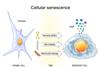
NewsTargeting senescent cells may reduce postpartum breast cancer risk
A study from the Institut Pasteur reveals how cellular senescence during mammary gland involution after pregnancy may both aid tissue repair and promote postpartum breast cancer.
-
 News
News$3.2m project targets aggressive MDM2 in breast cancer
A University of Houston scientist has joined a $3.2 million research collaboration to develop a new drug targeting one of the key drivers of triple-negative breast cancer.
-
 News
NewsNew SerpinB2 immune cell discovery could reverse Type 2 diabetes
Researchers at the University of Pittsburgh School of Medicine have developed a new approach for tackling insulin resistance and type 2 diabetes by protecting beneficial immune cells in fat tissue.
-
 News
NewsLaunaea herb could provide new treatments for peptic ulcers
A herb called Launaea nudicaulis could be used to treat peptic ulcers, with early research suggesting both gastroprotective benefits and potential applications in natural product drug discovery.
-
 News
NewsTargeting cPLA2 enzyme may reduce brain inflammation in Alzheimer’s
Researchers have identified new drug candidates that selectively target the cPLA2 enzyme, a key driver of brain inflammation linked to Alzheimer’s disease, offering a potential new approach to reducing risk in people with the APOE4 gene.
-
 News
NewsHIV drug Maraviroc could be used to slow glioblastoma growth
Researchers have discovered how seemingly supportive brain cells help glioblastoma thrive, whilst identifying an existing HIV drug, Maraviroc, that could be repurposed to slow tumour growth.
-
 News
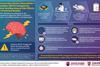
NewsNew study revives long-doubted target for depression drugs
Researchers have shown that changing the molecular structure of NK1 receptor antagonists may restore antidepressant effects after decades of failed trials.
-
 News
NewsNew Type 2 diabetes drugs may improve insulin sensitivity
Scientists have used advanced computer modelling and lab techniques to design potential new diabetes drugs that improve insulin sensitivity.
-
 News
NewsPropofol and insulin may reduce cognitive decline in older age
New research from the University of Illinois suggests that widely used drugs, including propofol and intranasal insulin, could help protect ageing brains from memory decline and postoperative cognitive impairment.
-
 News
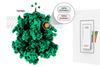
NewsTRPM5 protein switch discovery could lead to new diabetes drugs
Northwestern University scientists have discovered a hidden ‘control switch’ in the TRPM5 protein, which helps regulate taste, blood sugar and gut health and could lead to new therapies for targeting diabetes and obesity.
-
 News
NewsBlocking PAF receptor could offer new liver cirrhosis treatment
Spanish researchers have discovered a key inflammatory mechanism that could lead to new innovative treatments to reduce liver damage and improve vascular function in cirrhosis.
-
 Article
Peptides in practice: what it takes to advance these therapies to clinic
Peptide therapeutics are emerging as a powerful class of medicines capable of targeting diseases that challenge traditional modalities. This article reveals their rising clinical impact and the key development, safety and translational challenges that must be addressed to bring them successfully to patients.
-
 News
NewsParkinson’s: new study rethinks dopamine’s role in movement
A new study is challenging long-held beliefs about dopamine’s role in movement, revealing new insights into how Parkinson’s disease treatments work and pointing towards more targeted future therapies.
- Previous Page
- Page1
- Page2
- Page3
- Page4
- Next Page