



Researchers have identified antiviral properties in dermcidin, a human antimicrobial peptide, which disrupts influenza infection by targeting conserved haemagglutinin regions, suggesting potential for new resistance-resistant therapeutic strategies.
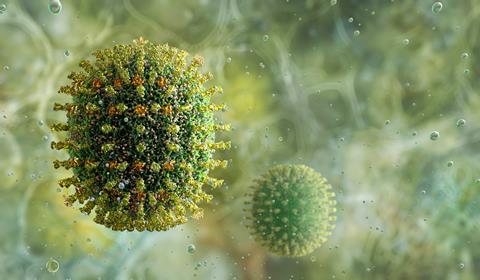
A team of researchers led by the Fisabio Foundation has discovered that dermcidin, an antimicrobial peptide naturally produced by the human body, can also combat influenza. The findings suggest that this molecule may play a key role in determining an individual’s susceptibility to infection, potentially leading to new antiviral treatments.
The study involved several national and international institutions including CIBERESP, the Institute of Biomedicine of Valencia, the University of Valencia among others.
“Dermcidin, which is present in sweat and known for its antibacterial and antifungal activity also exhibits antiviral activity against the influenza virus and can interfere with infection, as we have observed in in vitro and in vivo models,” said Dr María Ferrer, Miguel Servet Researcher and Head of the Antimicrobial Peptides and Glycobiology group at Fisabio, who led this study.
A new way to stop infection
The researchers identified a mechanism by which dermcidin disrupts the influenza virus. The molecule binds to haemagglutinin, a protein essential for the virus to enter human cells, targeting a highly conserved region involved in the fusion process. This interaction causes a structural change in the protein, preventing the virus from fusing with the cell membrane and effectively stopping infection before it begins.
This mechanism differs from most current antiviral drugs, which typically target neuraminidase, another viral protein that is increasingly showing resistance to treatment.
“These results show that our own bodies have natural mechanisms capable of curbing viral infection, which opens the door to the development of new, more effective antivirals,” said Dr Álex Mira, Researcher at Fisabio and Head of the Oral Microbiome group, who co-directed the study.
These results show that our own bodies have natural mechanisms capable of curbing viral infection
“By acting on regions of the virus that hardly change between subtypes – known as highly conserved regions – dermcidin could contribute to defence against different variants of the influenza virus,” said Dr Ferrer.
The researchers also say this same principle could extend further to other respiratory viruses like measles and coronaviruses associated with the common cold.
Higher levels linked to fewer symptoms
The study also found that dermcidin is not limited to sweat. It is present in key entry points for respiratory viruses, including the nasopharynx, saliva and tears.
Interestingly, individuals who did not develop flu-like symptoms were found to have significantly higher baseline levels of dermcidin.
“The results show that baseline levels of dermcidin are up to six times higher in people who do not develop flu-like symptoms, compared to susceptible individuals,” said Dr Paula Corell, the study’s first author. “Altogether, these findings reinforce the idea that dermcidin is part of the innate immune system’s first line of defence against this type of infection.”
The researchers also observed that dermcidin levels increase during respiratory infections, further supporting its protective role.
Towards future treatments
Scientists believe these findings could lead to new antiviral strategies based on naturally occurring molecules. Dermcidin’s ability to target stable regions of viruses may reduce the risk of resistance while improving effectiveness across multiple strains.
Scientists believe these findings could lead to new antiviral strategies based on naturally occurring molecules.
In addition to its direct antiviral effects, ongoing research is exploring whether dermcidin may also help regulate immune responses, potentially enhancing the body’s ability to fight infection without excessive inflammation.
The discovery will help in the search for treatments that use the body’s own defences, giving people more resilient approaches to combating influenza and other respiratory viruses.











No comments yet