



Scientists have developed a tiny implantable device that keeps engineered cells alive inside the body, enabling them to continuously produce multiple medicines at once.
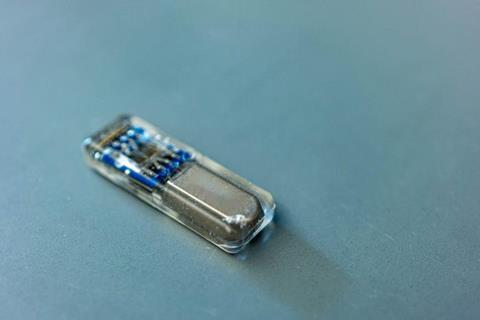
A team of scientists from Northwestern University and other institutions has moved closer to making implantable ‘living pharmacies’ a reality, developing a device that can continuously produce medicines inside the body.
Breakthrough in implantable therapy
In the new study, researchers engineered cells capable of producing three different biologics at the same time: an anti-HIV antibody, a GLP-1-like peptide used in the treatment of type 2 diabetes and leptin, a hormone that regulates appetite and metabolism. When implanted under the skin in a small animal model, the device successfully kept the cells alive while delivering all three therapies simultaneously.
Researchers believe these ‘living pharmacies’ could eventually offer long-term treatments for chronic conditions
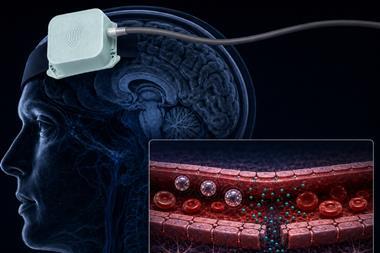
The system, known as hybrid oxygenation bioelectronics system for implanted therapy (HOBIT), combines engineered cells with oxygen-producing bioelectronics. Roughly the size of a folded stick of chewing gum, the implant protects the cells from the body’s immune response while supplying oxygen and nutrients, allowing them to function for several weeks.
Researchers believe these ‘living pharmacies’ could eventually offer long-term treatments for chronic conditions, removing the need for patients to carry, inject or remember daily medication.
Overcoming a key biological barrier
One of the biggest challenges in developing implantable cell therapies has been oxygen supply. When cells are densely packed inside a device, they compete for oxygen, often leading to cell death and reduced drug production.
One of the biggest challenges in developing implantable cell therapies has been oxygen supply.
The HOBIT system addresses this by generating oxygen directly within the implant. This builds on earlier work from 2023, where scientists demonstrated a small electrochemical device capable of producing oxygen by splitting nearby water molecules.
The latest version integrates this oxygen-generating capability into a fully implantable, wireless system designed for longer-term use.
“This work highlights the broad potential of a fully integrated biohybrid platform for treating disease,” said Northwestern’s Jonathan Rivnay, a co-principal investigator of the project who leads device development. “Traditional biologic drugs often have very different half-lives, so maintaining stable levels of multiple therapies can be challenging. Because our implanted ‘cell factories’ continuously produce these biologics, keeping the cells alive with our oxygenation technology allows us to sustain steady levels multiple different therapeutics at once.”
How the device works
HOBIT consists of three main components: a chamber for the engineered cells, a miniature oxygen generator and electronics with a battery that regulate oxygen production and enable wireless communication.
By producing oxygen directly inside the device, the system ensures a consistent supply even in low-oxygen environments.
“We are producing oxygen directly where the cells need it,” Rivnay said. “That allows us to support much higher cell densities in a much smaller space. Cell densities in HOBIT were roughly six times higher than conventional unoxygenated encapsulation approaches.”
Promising early results
To test the system, researchers implanted the device into rats and monitored drug levels in their bloodstreams over 30 days. Animals with oxygenated implants maintained stable levels of all three biologics throughout the study.
To test the system, researchers implanted the device into rats and monitored drug levels in their bloodstreams over 30 days.
In contrast, animals with non-oxygenated devices saw short-lived biologics disappear within a week, while longer-lasting molecules steadily declined.
By the end of the study, around 65 percent of cells in oxygenated devices remained viable, compared with roughly 20 percent in those without oxygen support.
Looking ahead
The team now plans to test the technology in larger animal models and explore specific medical applications, including therapies using transplanted pancreatic cells.
“We’re beginning to see how bioelectronics and cell therapy can work together in a single platform,” Rivnay said. “As these technologies continue to develop, devices like this could eventually act as programmable drug factories inside the body, delivering complex therapies in ways that simply aren’t possible today.”






No comments yet