



Neuvasq Biotechnologies has presented preclinical findings at ARVO 2026 showing that multispecific antibodies targeting Wnt co-receptors Gpr124 and Lrp6 can restore blood-retina barrier function in retinal vascular disease models.
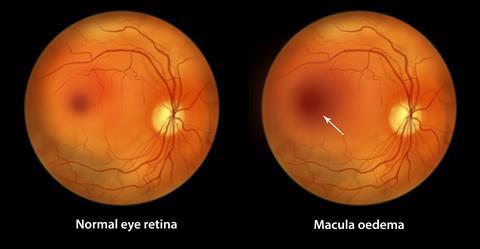
Neuvasq Biotechnologies has announced new preclinical data that could lead to new and improved treatments for serious retinal diseases, including diabetic macular oedema and wet age-related macular degeneration.
The findings demonstrate the therapeutic potential of targeting Wnt co-receptors Gpr124 and Lrp6, an approach aimed at maintaining and repairing the blood-retina barrier. The research was presented at the Association for Research in Vision and Ophthalmology 2026 Annual Meeting (ARVO) in Denver, Colorado on 5 May.
Breakthrough in retinal disease research
The company’s work focuses on developing multispecific antibodies designed to restore the integrity of the blood-retina barrier. When this barrier is damaged, it can seriously effect vision and lead to several retinal vascular diseases.
According to Neuvasq, its novel approach could slow, halt, prevent or even reverse vision loss by addressing the underlying causes rather than simply managing symptoms.
The company’s work focuses on developing multispecific antibodies designed to restore the integrity of the blood-retina barrier
“The data presented at ARVO 2026 demonstrate that these novel therapeutic molecules targeting Gpr124/Lrp6 have the potential to improve the integrity and function of the blood-retina barrier,” said Dr Ralph Laufer, Chief Scientific Officer of Neuvasq. “Selective activation of the Wnt/β-catenin pathway through these targets was associated with reversal of vascular pathology in preclinical disease models, supporting their potential to provide a new therapeutic approach combining very high potency with the possibility for long-lasting therapeutic effects.”
Promising preclinical results
Key to the findings was NVQ401, a first-in-class bispecific antibody that showed strong activation of Wnt receptor signalling in laboratory retinal models. Researchers say this potency could support quarterly dosing in future clinical use.
Further testing revealed that NVQ401 reversed VEGF-induced vascular permeability in human retinal cells and demonstrated robust efficacy across three disease models. In the oxygen-induced retinopathy model, it reduced both abnormal blood vessel growth and areas lacking proper vascularisation, indicating potential to stabilise and normalise retinal blood vessels.
Advancing to next-generation therapies
Building on these results, the researchers developed a trispecific molecule that combines β-catenin activation with anti-VEGF activity, called NVQ501.
In preclinical studies, NVQ501 showed even greater effectiveness. It strongly activated β-catenin signalling in human retinal endothelial cells and fully blocked VEGF-induced PLVAP, a key factor in retinal damage. In comparative testing, it outperformed NVQ401 in reducing abnormal vessel growth and, unlike existing anti-VEGF treatments, significantly reduced avascular areas.
In preclinical studies, NVQ501 showed even greater effectiveness
These findings suggest that combining β-catenin activation with VEGF inhibition could represent a new standard of care for retinal diseases.
Path towards clinical development
Neuvasq confirmed that NVQ501 is now progressing towards chemistry, manufacturing and controls and investigational new drug-enabling studies. The company estimates it will take around 15 months to reach the IND stage, when it could potentially move toward clinical trials.










No comments yet