
Diseases – Page 12
-
 Article
The first multi-chamber heart organoids developed
The first multi-chamber cardioids derived from hiPSCs have enabled scientists to investigate heart development and defects.
-
Article
AI system develops features of complex brains
An AI system could be used to observe how physical constraints shape brains and impact people with cognitive difficulties.
-
 Article
New understanding of the TMEJ pathway in cancer
Cancer treatment may be majorly impacted by new findings about the polymerase theta-mediated end joining time DNA repair pathway.
-
 Article
The first major set of genetic associations found in long COVID
PrecisionLife’s Dr Sayoni Das, a computational biologist who leads the research and development of bioinformatics pipelines that generate biological insights from PrecisionLife’s core technology and support drug discovery programmes, details a new study. Using combinatorial analysis, genetic variants associated with long COVID have been identified and, furthermore, it has been ...
-
Article
Phages could help to tackle antimicrobial resistance
Researchers have found what triggers bacteria to start the CBASS immune response to counter infections by phages.
-
 Report
Beyond the lab: cancer research
Our inaugural report is an exploration of the remarkable advancements in cancer research and the field of drug discovery.
-
 Article
New technology optimises mesenchymal stem cell extraction
A continuous sorting technique of stem cells on a DLD microfluidic platform may greatly advance cell therapy.
-
 Article
Exploring liver disease therapies
Ochre Bio is at the forefront of therapeutic innovation, focusing primarily on liver diseases. Their core mission revolves around the development of RNA therapies, primarily in the preclinical stage, using a 'human-first' approach. They employ real human tissue, such as 'liver slices' and whole human livers, in their preclinical pipeline ...
-
 Article
Documenting the mammalian brain using machine learning
Novel approaches to brain disorder diagnosis and treatment may be developed following a project to form a map of the mouse hippocampus.
-
 Article
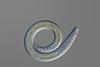
Discovering the principles of nervous system function
Dr William Schafer, of the MRC Laboratory of Molecular Biology, focuses on the cellular and molecular mechanisms of behaviour, which is one of the fundamental problems of biology. Schafer and his colleagues have studied the nematode Caenorhabditis elegans, using a variety of approaches such as optogenetic neuroimaging and high content ...
-
 Article
Combining autotaxin and TGF-β inhibitors in cancer
Dr Catherine Pickering, CEO of iOnctura, the clinical stage biopharmaceutical company delivering pioneering cancer treatments to patients with unmet medical needs, is at the forefront of cancer drug discovery. Dr Pickering and her team identify targets that have crucial roles in multiple tumour survival pathways, collaborate with world-renowned scientists and ...
-
 Article
Novel technique to distinguish tumours from normal tissue
New imaging technology called fluorescence lifetime (FLT) imaging improves the accuracy of cancer surgery for multiple tumour types.
-
 Article
CAR-NK cells: promising for cancer therapy
The suitability of NK cells for cancer therapy has been challenged by some investor and business interests because of limited efficacy data, is this a valid belief at the present stage of development of the immune therapy field?
-
 Article
Breaking down barriers across the DMTA cycle
In this article, David Bardsley, Commercial Director, and Nick Foster, Vice President of Discovery CRO at Cresset, explore the challenges that occur when approaching drug discovery in silos and how harnessing advances in technology can help to overcome them.
-
 Article
The power of combinations in blood cancers
Haematology research is a cradle of innovation, with many firsts in therapeutic approaches utilising the latest technology for the treatment of blood cancers. Anas Younes, Senior Vice President, Head of Haematology Oncology Research and Development at AstraZeneca, envisions a future where potential cures are within reach for more blood cancers ...
-
 Article
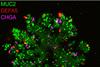
Human organoid research offers insights into gut cell differentiation
How stem cells become enteroendocrine cells using gut organoids could have positive implications for many gastrointestinal diseases.
-
 Article
Protein offers promise for treatment of reproductive conditions
Scientists found that CXCR4 protein expression outside of the uterus is important for pregnancy maintenance.
-
 Article
Emotional scars: stigma with female adult acne
New research presented at the European Academy of Dermatology and Venereology (EADV) Congress 2023 in Berlin, Germany, has highlighted a previously underestimated aspect of acne's impact on individuals: its profound influence on social perception.
-
 Article
Could scratching nerve cells be the itch solution?
The sensation of itch is something everyone has experienced at some point in their lives. It's a natural response to various irritants, from insect bites to dry skin. But what happens when the urge to itch becomes relentless, causing discomfort and, in some cases, serious health problems?
-
 Article
Novel method for early cancer diagnosis
A recent scientific collaboration, led by the Institute of Nuclear Physics of the Polish Academy of Sciences, has overcome measurement challenges, enabling reliable cancer diagnosis.