
Diseases – Page 13
-
 Article
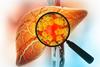
Amino acid promotes tumour growth
Research into how the amino acid arginine drives metabolic reprogramming offers promise for liver cancer treatment.
-
 Article
New research discovers gene mutations linked to prostate cancer
A study led by scientists from the Center for Genetic Epidemiology at the Keck School of Medicine of USC and USC Norris Comprehensive Cancer Center has made a significant leap in our understanding of aggressive prostate cancer.
-
Article
Artificial intelligence model revolutionises breast cancer surgery
Artificial intelligence (AI) and machine learning (ML) have been gaining significant attention lately, primarily in discussions about their responsible utilisation. However, these technologies possess a wide spectrum of practical applications, ranging from predicting natural disasters to addressing social disparities. Now, AI is making its mark in the field of cancer ...
-
 Article
Women in Stem with Dr Emily Leproust
This September edition of our Women in Stem series spotlights Dr Emily Leproust, CEO of Twist Bioscience. Dr Leproust began her STEM journey from a background in chemistry, eventually leading her to the forefront of DNA synthesis technology. She co-founded Twist Bioscience in 2013, now a thriving company reporting substantial ...
-
 Article
Huntington's disease and potential therapies
In this exclusive interview with Young Kwon, CEO of Alchemab, we discuss new platforms that are revolutionising how researchers identify naturally occurring antibodies in resilient individuals, opening up new possibilities for the development of disease-modifying therapies.
-
 Article
HPV-associated head and neck cancers identified
Human papillomavirus (HPV)-associated head and neck cancers, specifically head and neck squamous cell carcinoma (HNSCC), are on the rise worldwide. Yet, the factors contributing to these tumours and their varying responses to treatment remain poorly understood.
-
Article
Advancing vaccine design: potential of peptide mimicry
A new discovery presents a bioinformatic approach for improving vaccine effectiveness against infectious agents such as COVID-19.
-
 Article
Episode 21 - Allogeneic cell therapies and the immune system
This episode defines allogeneic cell therapy as the administration of cells to a patient for therapeutic use, that were not initially taken from that patient.
-
 Article
Genetic variant identification: unveiling the power of STING-seq
In an exclusive interview, Dr Neville Sanjana, Associate Professor of biology at NYU and a core faculty member at the New York Genome Center, discusses the breakthrough study on STING-seq.
-
 Article
Malaria unravelled: decoding the parasite's gene expression control
Researchers from Tokyo Tech's World Research Hub Initiative conducted a study to investigate the regulation of gene expression in the apicoplast of the malaria parasite Plasmodium falciparum.
-
 Article
Long COVID breakthrough
In this Q&A, Dr Steve Gardner elucidates the genetic variations that appear to underpin the debilitating new condition, long COVID, that have been uncovered in a recent analytical study.
-
 Article
Addressing the grand challenge of global access to vaccines
Tracy Saveria, James Roberts and Brian Finrow from Lumen Bioscience discuss progress in the aspiration for global vaccine access and how Lumen Bioscience’s inhalation malaria vaccine represents a major step towards it.
-
 Article
Condensate biology: advancing drug discovery for complex diseases
In this interview with Drug Target Review’s Izzy Wood and Dr Isaac Klein, Chief Scientific Officer at Dewpoint Therapeutics, discuss the innovative potential of condensate biology in revolutionising drug discovery. By targeting disease-driving condensates, Dewpoint’s research pushes boundaries by offering new hope for tackling diseases like ALS and colorectal ...
-
 Article
Advancing gene editing to redefine therapies across genetic disease
In the unmet need for effective treatments to alleviate suffering and prevent premature death across the spectrum of genetic diseases, Brent Warner, Poseida Therapeutics, shares that the ability to edit DNA holds hope for patients currently experiencing incurable genetic diseases and has spurred ongoing efforts to develop and improve gene ...
-
 Article
Chemotherapy-free treatment for patients with blood cancer
Dr Andy Souers highlights the unwavering commitment to finding an enhanced therapeutic approach that eliminates the need for chemotherapy in blood cancer treatment. This transformative discovery represents a significant leap forward in the way we combat this complex disease, offering new hope to countless patients worldwide.
-
 Article
Promising human antibodies fighting SARS-CoV-2
Scientists have discovered that a vaccinated San Diego resident has produced antibodies that are effective against multiple variants of SARS-CoV-2, including Omicron. The research also identified three antibodies that can neutralise the virus, giving new insights into different binding mechanisms with the SARS-CoV-2 spike protein. The findings could help to ...
-
 Article
Algae: a source for prebiotics and drugs to treat IBD
An increasing number of people worldwide suffer from inflammatory bowel disease (IBD). However, no treatment is effective for all patients. In this article, researchers working on the Algae4IBD project explain how algae may represent a valuable source of prebiotics and new therapeutic agents for IBD and other diseases.
-
 Article
New insight into BRCA2 gene mutations and cancer risk
A recent study from researchers at the University of California examines the BRCA2 gene, which plays a crucial role in repairing damaged DNA, and possible links with increased risk of breast and ovarian cancer.
-
 Article
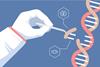
CRISPR and single-cell sequencing highlight genetic variants for traits and diseases
This article highlights a new approach to address human genetics, using STING-seq which provides roadmap to identify variants and genes, enabling deeper understanding of the noncoding genome and targets for therapies
-
 Article
Light-activated graphene tattoo shows promise in treating heart rhythm disorders
This article outlines the development of the first cardiac implant made from graphene, which is thinner than a single strand of hair yet still functions like a classical pacemaker. It melds softly to the heart to simultaneously sense and treat irregular heartbeats, making it ideal for conforming to soft, dynamic ...