
All articles by Drug Target Review – Page 14
-
 News
NewsBlocking SLAMF6 enables T cells to kill leukaemia cells
Researchers have discovered a surface protein that helps acute myeloid leukaemia cells evade the immune system, offering potential insights to aid the development of new treatments.
-
 News
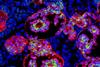
NewsKidney organoids show APOL1 gene’s role in chronic kidney disease
New research using stem cell-derived kidney organoids reveals how APOL1 gene mutations disrupt mitochondrial function in kidney cells – potentially leading to new targeted treatments.
-
 News
NewsCloneSeq-SV: new blood test tracks ovarian cancer recurrence
Researchers have developed a new blood test method, CloneSeq-SV, that tracks treatment-resistant ovarian cancer cells over time. The approach could help predict recurrence and guide targeted therapies.
-
 News
NewsNew CAR T therapy targets solid tumours safely and effectively
USC researchers have engineered CAR T cells to deliver a dual protein therapy that targets solid tumours – offering hope for cancers previously resistant to treatment.
-
 Article
Fast-tracking advanced therapies without compromising regulatory success
Early planning for potency CQAs, comparability and evolving global regulations can set advanced therapies on the fastest path to approval. Dr Christian Schneider shares how to prepare from the start to accelerate development without compromising the evidence regulators expect.
-
 News
NewsHypoxia and EUDAL: the hidden drivers of oral cancer survival
A newly discovered RNA molecule, EUDAL, helps oral cancers survive chemotherapy by keeping a key growth protein permanently active. Researchers say targeting EUDAL could predict resistance and improve treatment outcomes.
-
 News
NewsHibernator liver organoids reveal strategy to improve transplant survival
Researchers have created liver organoids from hibernating Syrian hamsters, revealing how these cells survive cold storage - a discovery that could improve liver transplant success.
-
 News
NewsSenolytic drug combo boosts cancer immunotherapy and reduces side effects
Researchers have discovered that targeting immune cell ageing can overcome resistance to head and neck cancer treatment.
-
 Article
Mass spectrometry workflows powering the future of biologics
Analysing complex biologics is one of drug discovery’s biggest challenges. At Genentech, Rachel Shi is developing MS workflows that deliver clearer answers, faster.
-
 News
NewsTiny models, powerful insights: how organoids are driving precision oncology
A new review has highlighted how three-dimensional organoid models are transforming cancer research by replicating the complexity of human tumours – bringing precision oncology closer to the clinic.
-
 News
NewsSevere flu during pregnancy compromises placental and brain barriers
Severe flu in pregnancy may weaken the placenta and foetal brain, allowing harmful molecules to leak in and disrupt development, a new study finds
-
 News
NewsComFB protein discovery could help fight antibiotic resistance
Scientists have discovered a new family of bacterial proteins – called ComFB – that regulate both movement and DNA uptake – suggesting potential new methods to combat pathogenic infections.
-
 News
NewsProtecting bones from cancer damage: targeting the UPR pathway
New research highlights how cancer hijacks the unfolded protein response (UPR) in bone cells – potentially allowing for the development of therapies that target this pathway to prevent fractures.
-
 News
NewsOral bacteria in gut could play role in Parkinson’s disease development
Korean researchers have discovered that oral bacteria in the gut may contribute to Parkinson’s disease – highlighting a potential new target for treatment.
-
 News
NewsGlioblastoma treatment boosted by new drug combination strategy
Researchers in China have discovered how glioblastoma adapts to low-oxygen conditions – revealing a new treatment strategy that combines an orphan drug with standard chemotherapy to overcome resistance.
-
 Article
Inside Zasocitinib: a new model for TYK2 inhibition in immune-mediated diseases
Zasocitinib is a highly selective, investigational TYK2 inhibitor developed to target immune-mediated diseases with fewer off-target effects than traditional JAK inhibitors. This article explores its mechanism, selectivity data and clinical progress.
-
 News
NewsThe road to safer painkillers: the role of the EP2 receptor
NYU researchers have identified a receptor in prostaglandins that triggers pain without affecting inflammation – which could lead to safer, more targeted pain treatments.
-
 News
NewsMarine sponges could hold the key to new Leishmaniasis treatments
Japanese researchers have discovered potent new compounds from marine sponges that could transform the treatment of leishmaniasis – a neglected tropical disease affecting millions worldwide.
-
 Article
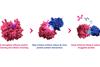
The science behind the systematic discovery of molecular glues
For decades, molecular glues have been stumbled upon rather than designed. A new scientific approach is now changing that – expanding what is considered druggable.
-
 News
NewsFibroblast mapping reveals potential universal drug targets
Scientists have mapped the diversity of fibroblasts and discovered how ‘rogue’ fibroblasts drive multiple diseases, revealing drug targets that could transform treatments across the body.